Casele Vechi din Ciocănești
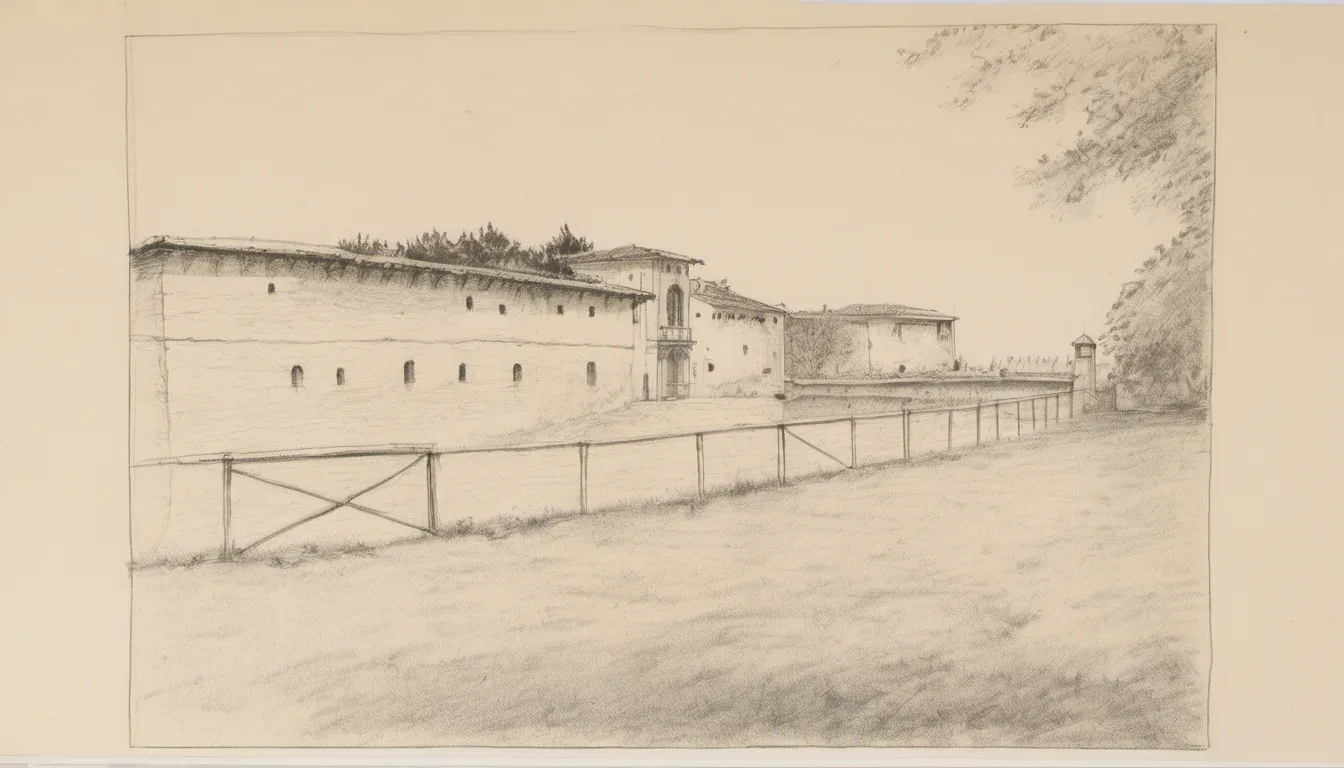
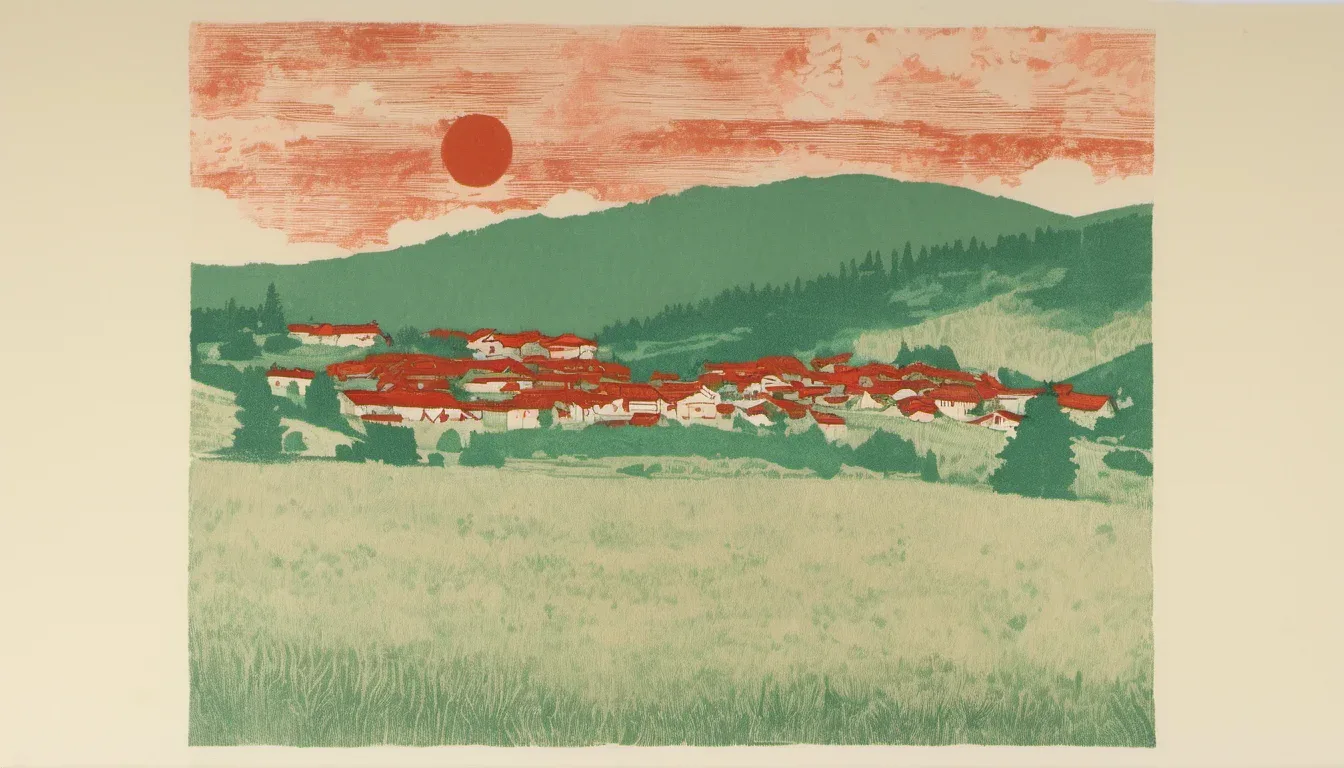
Look at the horizon. It is flat, quiet, and unbroken. You are standing in Ciocănești, a commune in the heart of Bukovina. There are no grand monuments here. No towering cathedrals. Just the quiet persistence of rural life. The air is still. The light is soft. This is a place that does not shout.
You are in a territory defined by its absence. The most striking feature of Ciocănești is what is no longer there. For centuries, a sizeable German community lived here. They were Zipser Germans, part of the larger Bukovina German diaspora. They built homes, worked the land, and shaped the social fabric. They are gone now. Mid-20th century migrations and political shifts erased them. You walk through their silence.
The administrative map tells a recent story. Until 2002, these two villages—Botoș and Ciocănești—belonged to the commune of Iacobeni. They were annexed, absorbed, and managed from afar. In 2002, they split off. They reclaimed their autonomy. This was not a revolution. It was a bureaucratic correction. A return to local identity. The council seats were redistributed. The flags were changed. The sense of belonging was restored.
There is a legend in the air, though it is not written in stone. It is the legend of the Zipser presence. According to tradition, these Germans arrived during the Habsburg period. They brought with them a specific way of building, a specific way of farming. They integrated into the Bukovinian landscape without erasing it. They left behind a cultural layer that is now invisible. You can only sense it in the layout of the fields.
You stand at the intersection of history and geography. Ciocănești is small. It has 1,515 inhabitants. It is composed of two distinct villages. Botoș and Ciocănești. They are close, yet distinct. The road between them is short. The history is long. You leave with the feeling of having touched a fading memory. The commune exists. The Germans do not. The silence remains.
Look at the horizon. It is flat, quiet, and unbroken. You are standing in Ciocănești, a commune in the heart of Bukovina. There are no grand monuments here. No towering cathedrals. No painted monasteries with frescoes of demons and saints. Just the quiet persistence of rural life. The air is still. The light is soft. This is a place that does not shout. It does not demand attention. It simply exists, waiting for you to notice the details that remain.
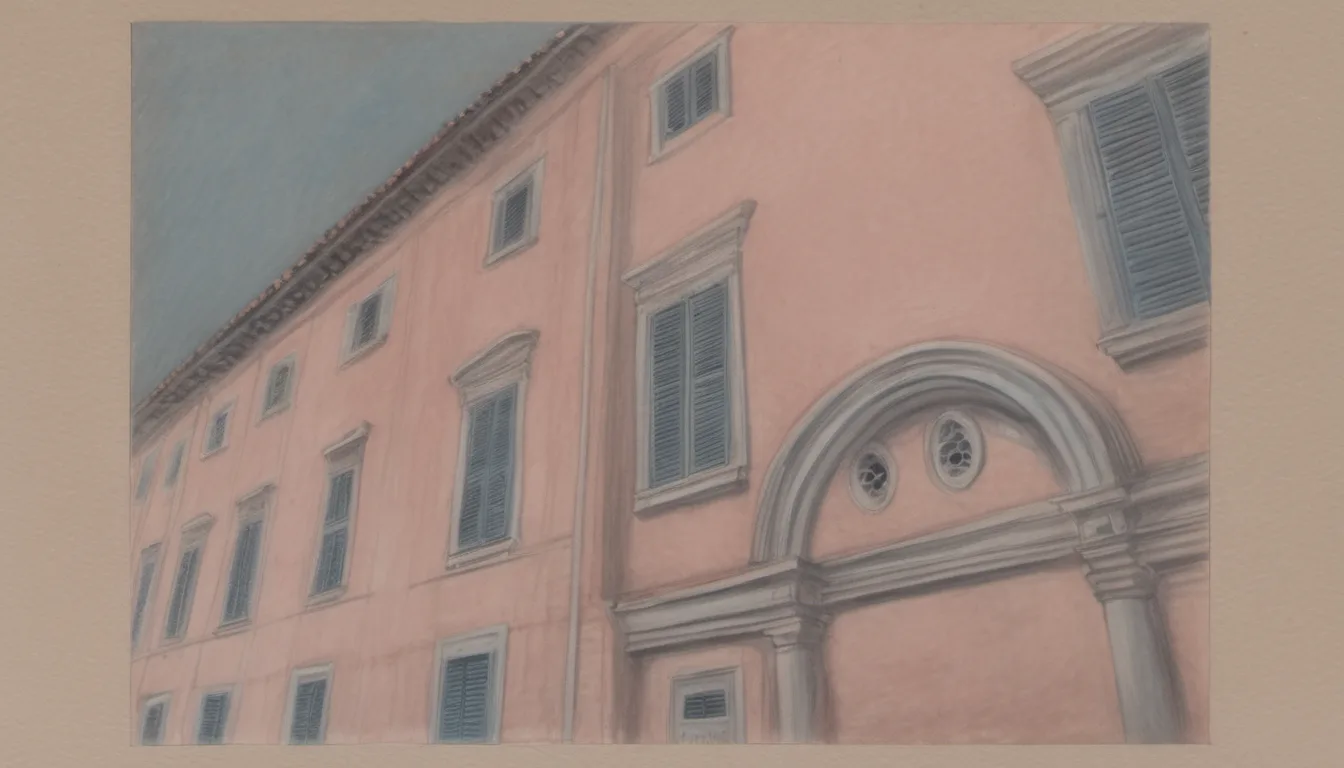
You are in a territory defined by its absence. The most striking feature of Ciocănești is what is no longer there. For centuries, a sizeable German community lived here. They were Zipser Germans, part of the larger Bukovina German diaspora. They built homes, worked the land, and shaped the social fabric. They are gone now. Mid-20th century migrations and political shifts erased them. You walk through their silence. The houses may look Romanian now, but the layout, the spacing, the very rhythm of the streets, hints at a different origin.
The Zipser Germans arrived during the Habsburg period. This was a time of imperial expansion and colonization. The Habsburgs encouraged settlement in border regions to strengthen their hold. Bukovina was a frontier. The Germans brought with them a specific way of building. They used local materials but applied Central European techniques. They introduced new crops, new tools, new methods. They integrated into the Bukovinian landscape without erasing it. They left behind a cultural layer that is now invisible. You can only sense it in the layout of the fields.
According to tradition, the Zipser community was tight-knit. They maintained their language, their customs, their religious practices. They were a distinct entity within the commune. They did not assimilate completely. They coexisted. This coexistence was fragile. It depended on the political winds of Vienna, then Budapest, then Bucharest. When the winds changed, the community dissolved. The mid-20th century brought the end. The Germans left. The houses were taken over. The names were changed. The memory faded.
The administrative map tells a recent story. Until 2002, these two villages—Botoș and Ciocănești—belonged to the commune of Iacobeni. They were annexed, absorbed, and managed from afar. Iacobeni was the center. Ciocănești was the periphery. This arrangement lasted for decades. It was a product of post-war reorganization. The state sought efficiency. It ignored local identities. It lumped villages together based on geography, not history. The people of Ciocănești felt the distance. They felt the neglect.
In 2002, they split off. They reclaimed their autonomy. This was not a revolution. It was a bureaucratic correction. A return to local identity. The council seats were redistributed. The flags were changed. The sense of belonging was restored. The commune of Ciocănești was born again. It comprised two villages: Botoș and Ciocănești. They were united once more, not by imperial decree, but by local will. This act of separation was an act of self-definition. It said: we are here. We are distinct. We are Ciocănești.
The current local council reflects this new reality. The 2020 Romanian local elections determined the political composition. The results were a mix of local parties and national affiliations. The council members are neighbors. They know each other. They know the history. They manage the budget, the roads, the schools. They are the stewards of this small world. Their work is unglamorous. It is essential. They keep the lights on. They keep the roads passable. They keep the commune alive.
There is a legend in the air, though it is not written in stone. It is the legend of the Zipser presence. Locals speak of the 'German way.' They say the Germans were hardworking. They say they were precise. They say they left behind a standard of quality that is hard to match. These stories are not verified. They are memories. They are feelings. They are the residue of a community that once was. You can ask the elderly. They will tell you. They will speak of the old houses, the old fences, the old ways.
You stand at the intersection of history and geography. Ciocănești is small. It has 1,515 inhabitants. It is composed of two distinct villages. Botoș and Ciocănești. They are close, yet distinct. The road between them is short. The history is long. The German community is gone. The administrative split is recent. The current council is active. The future is uncertain. You leave with the feeling of having touched a fading memory. The commune exists. The Germans do not. The silence remains.
The unsolved mystery is the extent of the German influence. How much of the current architecture is German? How much is Romanian? How much is a hybrid? Scholars have not fully mapped this. The buildings stand. The people live. The history is obscured. You can look at the roofs. You can look at the foundations. You can look at the tools in the barns. You can find traces. But you will not find a definitive answer. The mystery remains. It is part of the charm. It is part of the truth.
Ciocănești is a place of layers. The top layer is Romanian. The middle layer is German. The bottom layer is ancient. You walk through all of them. You see the present. You sense the past. You feel the future. It is a quiet place. It is a smart place. It is a place for those who listen. For those who look. For those who understand that history is not just in the books. It is in the air. It is in the silence. It is in the split. It is in the commune.