Mănăstirea Humor
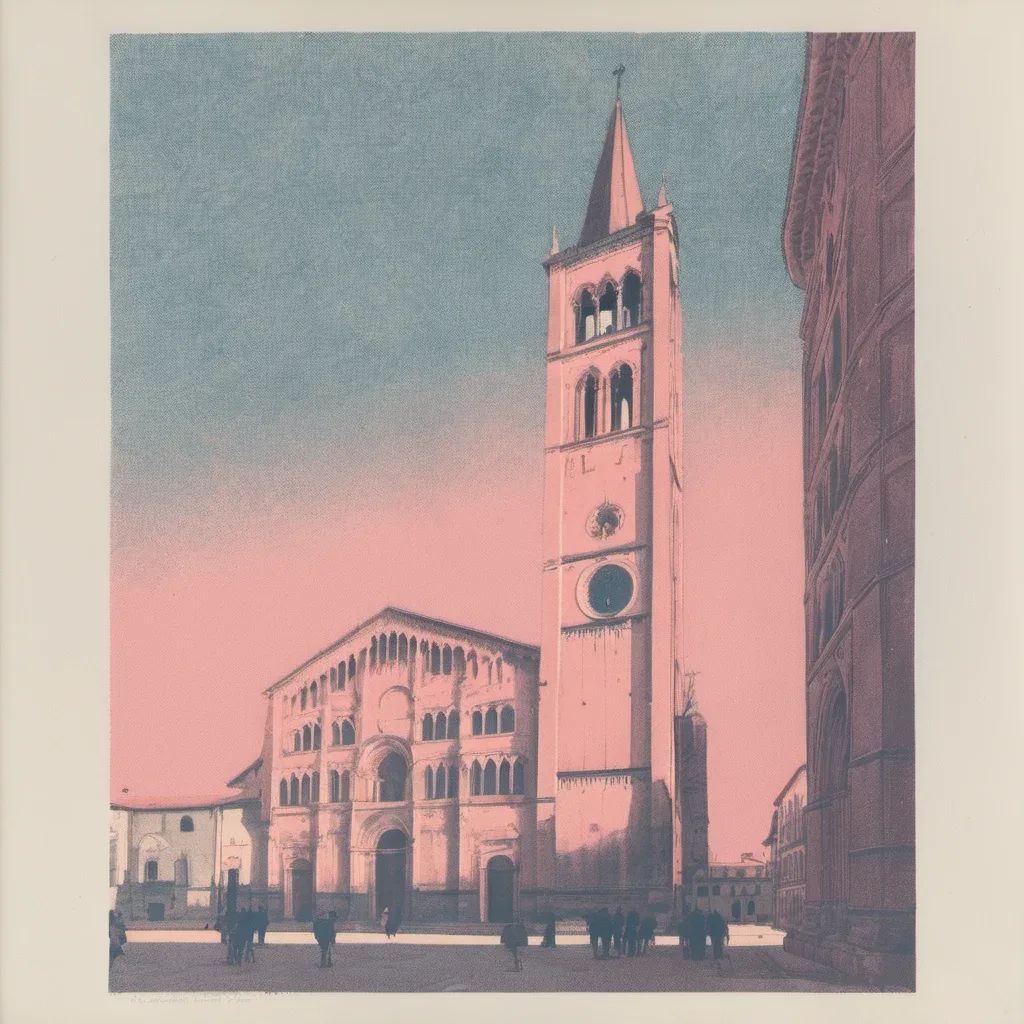
Look up at the exterior walls. The dominant colour is a deep reddish brown, distinct from the blue of nearby Voroneţ. This is Humor Monastery, one of the first in Moldavia to be fully frescoed. The paint remains vivid, a testament to the skill of Toma of Suceava, who completed the work in 1535.
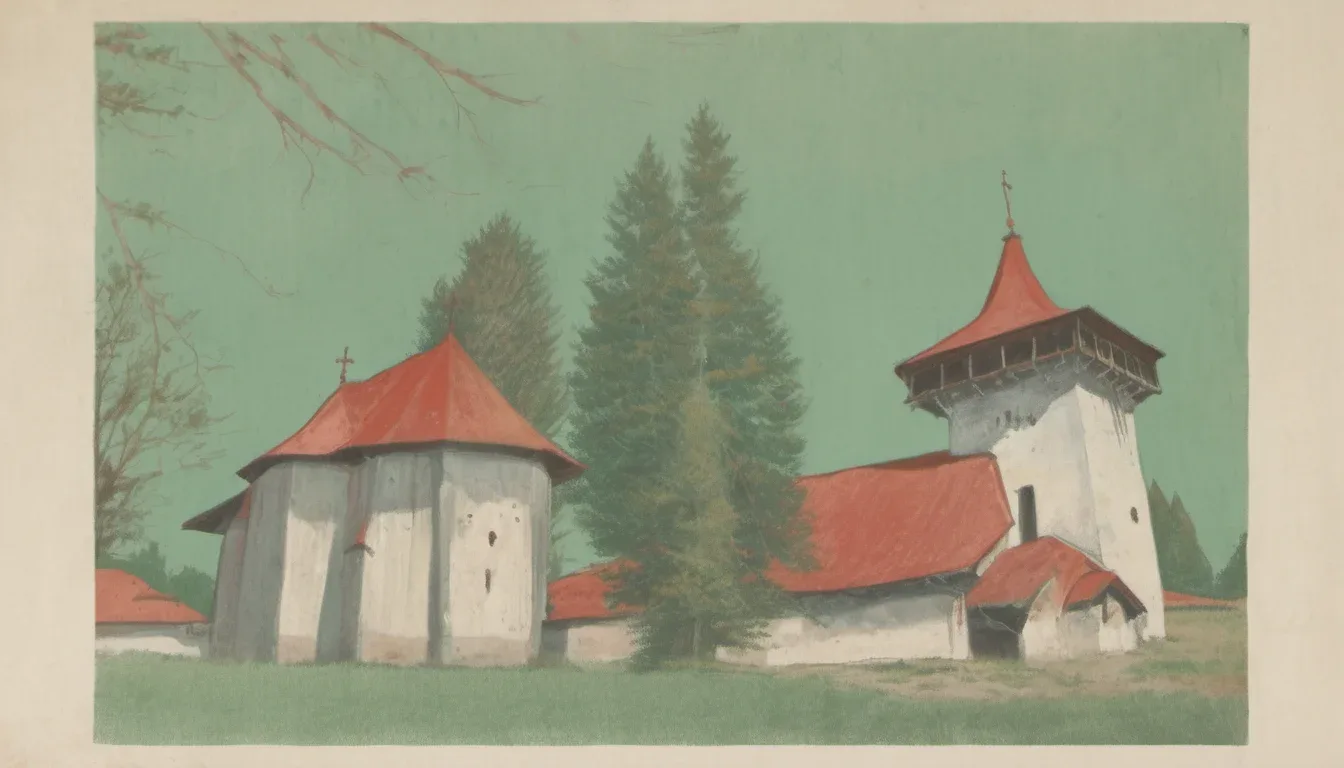
You are standing before a structure built in 1530 by Voievod Petru Rareş and his chancellor, Teodor Bubuiog. They constructed this monastery over the foundations of an older site dating to around 1415. The building serves nuns dedicated to the Dormition of the Virgin Mary. It was closed in 1786 and remained silent until 1990.
The frescoes are not merely decorative. They include the Last Judgment and the Siege of Constantinople. But look closely at the enemies in the siege scene. The source text notes a deliberate historical substitution. The attackers are depicted as Turks, not the Persians who actually besieged Constantinople in 626.
This is the killer fact: the art is political propaganda. By painting the Persians as Turks, the artists linked a miraculous 7th-century victory to the contemporary threat of the Ottoman Empire. The Hymn to the Virgin, inspired by Patriarch Sergius, celebrates the Theotokos saving the city. It is a prayer for protection against the current enemy.
Consider the silence of the last two centuries. Closed in 1786, the monastery did not reopen until 1990. For 134 years, these walls stood empty. Now, as a UNESCO World Heritage Site, it offers a rare glimpse of early Moldavian painting. The red-brown hues speak of a time when faith and politics were painted in the same brushstroke.
Stand before the exterior walls and let your eyes adjust to the specific hue. It is a reddish brown, warm and earthy, distinguishing Humor from the famous blue of Voroneţ. This is one of the earliest painted monasteries in Moldavia. The preservation is exceptional. You are looking at work completed in 1535 by the master painter Toma of Suceava. The pigment has held its ground for nearly five centuries.
The structure itself is a layering of time. The current church was constructed in 1530 by Voievod Petru Rareş and his chancellor, Teodor Bubuiog. But look down at the foundation. It sits atop the remains of a previous monastery dating from around 1415. The site has been a place of worship for over six hundred years. The current building is a nun’s monastery, dedicated to the Dormition of the Virgin Mary, also known as the Theotokos.
Petru Rareş was a ruler who understood the power of image. He commissioned these frescoes not just for devotion, but for declaration. The monastery was built during a precarious time in Moldavian history. The walls serve as a canvas for a complex narrative that blends theology with geopolitics. The choice of the reddish brown palette may reflect the local soil or the urgency of the message.
Focus on the scene depicting the Siege of Constantinople. It is a common subject on the exterior of Bucovina’s painted monasteries, but the details here are specific. The fresco illustrates the miraculous intervention of the Theotokos in saving the city from Persian conquest in 626. This event is tied to the Hymn to the Virgin, inspired by the poem of Patriarch Sergius of Constantinople. The poetry and the paint work in tandem.
Here lies the central mystery of the iconography. The source text highlights a deliberate anachronism. The attackers in the siege are depicted as Turks. In 626, the enemy was the Persian Empire. The Ottomans were not yet the dominant threat in the region. This is a common device in these monasteries. The artists replaced the historical Persians with the contemporary Turks to make the message immediate and relevant to the viewers of the 16th century.
This transformation turns the fresco into political propaganda. The spiritual meaning remains: the Virgin Mary saves the faithful. But the political meaning is equally potent: God will protect Moldavia from the Ottoman advance. The Last Judgment, also depicted here, reinforces the moral order. The combination of the siege and the judgment creates a narrative of divine retribution and protection. It is a visual sermon for a population living under constant threat.
The monastery’s history is marked by long periods of silence. It was closed in 1786. For over a century, the nuns were gone, the prayers ceased, and the doors remained shut. The frescoes survived, but the community did not. It was not reopened until 1990. This gap of 134 years is significant. It reflects the broader political shifts in the region, including the influence of the Habsburg Empire and later communist policies. The reopening in 1990 coincides with the fall of communism in Romania.
Today, Humor Monastery is inscribed by UNESCO as a World Heritage Site, part of the Painted Churches of Moldavia. This recognition underscores its importance. Along with Voroneţ, it is considered one of the best-preserved examples of this unique artistic tradition. The preservation allows modern viewers to see the work of Toma of Suceava with remarkable clarity. The details of the figures, the expressions, and the colours are still legible.
Scholars have studied these walls extensively. The reference to Kocój’s work on the painted churches of Southern Bukovina suggests ongoing academic interest. The monastery is not just a relic; it is a subject of continued research. The interplay between the 1415 foundation and the 1530 construction offers insights into the evolution of monastic architecture. The layers of history are visible in the structure and the art.
As you leave, consider the duality of the site. It is a place of spiritual devotion for the nuns who now reside there. It is also a historical document of Petru Rareş’s reign. The frescoes serve as a bridge between the 7th-century miracle of Constantinople and the 16th-century reality of Moldavia. The red-brown walls stand as a testament to the endurance of faith and the persistence of political memory. The silence of the 18th and 19th centuries has been broken, but the message remains clear.
The coordinates place you in Mănăstirea Humorului, about 5 km north of Gura Humorului. The location is remote but accessible. The isolation may have contributed to the preservation of the frescoes. Fewer visitors in the past meant less wear. Now, as a UNESCO site, it draws attention. The balance between preservation and access is a challenge for all such sites. But for now, the reddish brown hues speak for themselves. They tell a story of siege, salvation, and survival.