Capela dos Ossos
You enter the Church of St. Francis in Évora and find a small door to the side. Behind it, the Capela dos Ossos. The walls are not plastered or painted. They are faced with human skulls and long bones, arranged in careful patterns by Franciscan hands. The effect is sobering, even sacred.
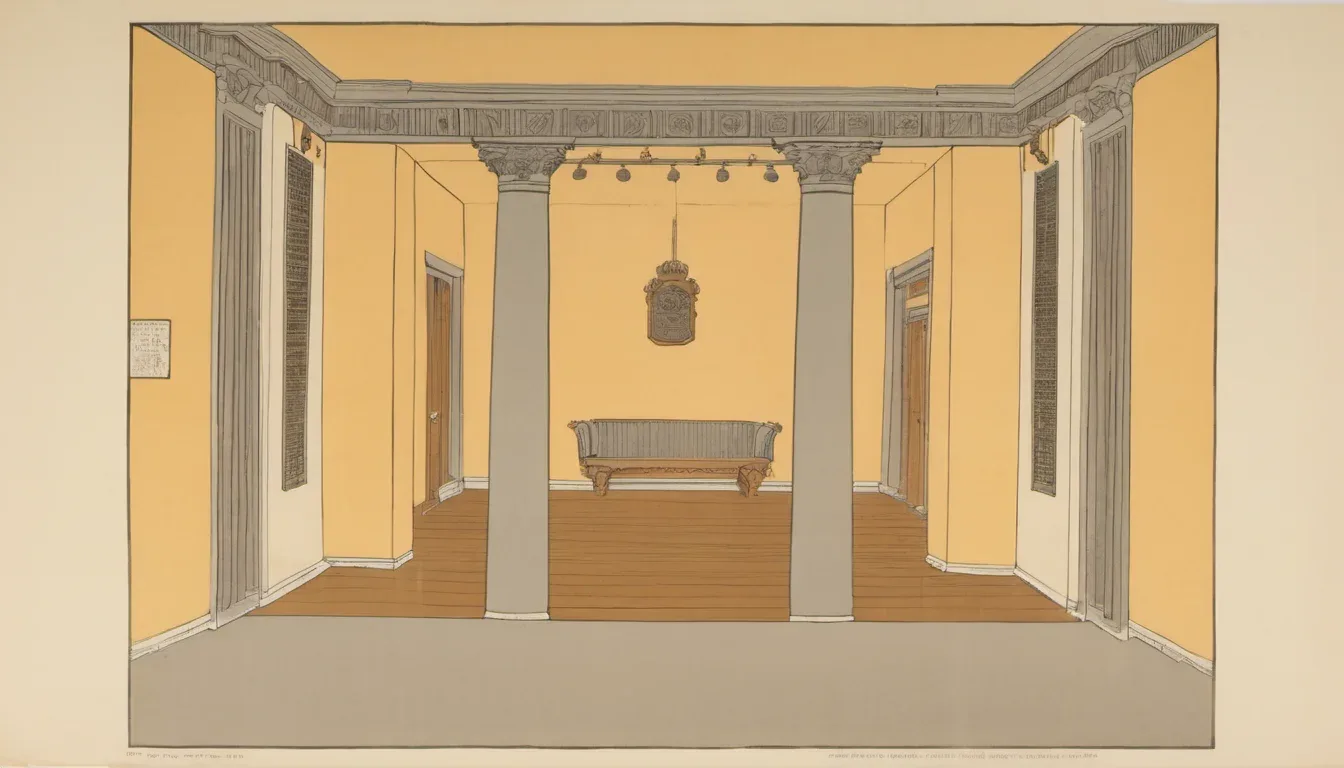
The chapel was completed in the 16th century. A Franciscan monk built it to lead his brothers to contemplate the brevity of life. An estimated 5,000 corpses were exhumed from Évora's medieval cemeteries and turned into this architecture of mortality. Light enters through three small openings on the left. The white brick ceiling has been painted with death motifs.
In glass display cases lie two desiccated corpses — one of them a child. A poem hangs in an old wooden frame, attributed to a parish priest from the 1840s. Above, a Latin phrase from Ecclesiastes reads: 'Better is the day of death than the day of birth.' The chapel remains one of Évora's most arresting sights.
At the entrance, a plaque warns: 'Nós ossos que aqui estamos pelos vossos esperamos' — We bones that are here await yours. It is not a threat but an invitation to reflect.
You enter the Church of St. Francis in Évora, a city of white-washed streets and Roman ruins. To the right of the main entrance, a small door leads into the Capela dos Ossos. The room is modest: three spans, 18.7 metres long and 11 metres wide. But its surfaces are unlike any other. Every inch of the walls and eight pillars is covered with human skulls and long bones, arranged in careful patterns and cemented into place.
The Franciscan friars completed the chapel in the 16th century. Their aim, in the spirit of the Counter-Reformation, was to confront the faithful with the brevity of life. To build it, they exhumed an estimated 5,000 corpses from medieval cemeteries around Évora. The skeletons came from several dozen churches, including those where Franciscans themselves were buried. Some skulls bear graffiti — perhaps the names of the departed.
Light enters through three small openings on the left, casting a dim glow over the white painted brick ceiling, which is itself decorated with motifs of death. On the roof, a Latin phrase from the Vulgate: 'Melior est dies mortis die nativitatis' — better the day of death than the day of birth. The words are from Ecclesiastes.
Two desiccated corpses rest in glass display cases. One is an adult, the other a child. Some accounts say they hang from chains — the detail is unconfirmed but often repeated. Among the bones, a poem is displayed in an old wooden frame. It is attributed to Father António da Ascenção Teles, parish priest from 1845 to 1848.
The chapel was completely restructured in the 18th century. According to local tradition, the renovation was inspired by King John V's visit to Milan's San Bernardino alle Ossa, a similar bone chapel. Whether true or legend, the connection places this small Portuguese chapel within a broader European fascination with death and remembrance.
At the entrance, a plaque reads: 'Nós ossos que aqui estamos pelos vossos esperamos' — 'We bones that are here await yours.' It is a direct message to every visitor. The chapel is not a spectacle; it is an invitation to reflect. The Franciscans intended it as a lesson, and it remains one today.
The Capela dos Ossos is one of Évora's best-known monuments, but it is easy to miss if you are not paying attention. That is part of its power. It does not announce itself loudly. It waits, quietly, for those who are ready to see.