Salina Cacica
You stand at the edge of the Rodna Mountains, where the western side of Suceava County rises sharply. The terrain is rugged, defined by the Eastern Carpathians. But the story here is not just about the peaks. It is about what lies beneath them. The earth here is rich, not just in timber or stone, but in salt.
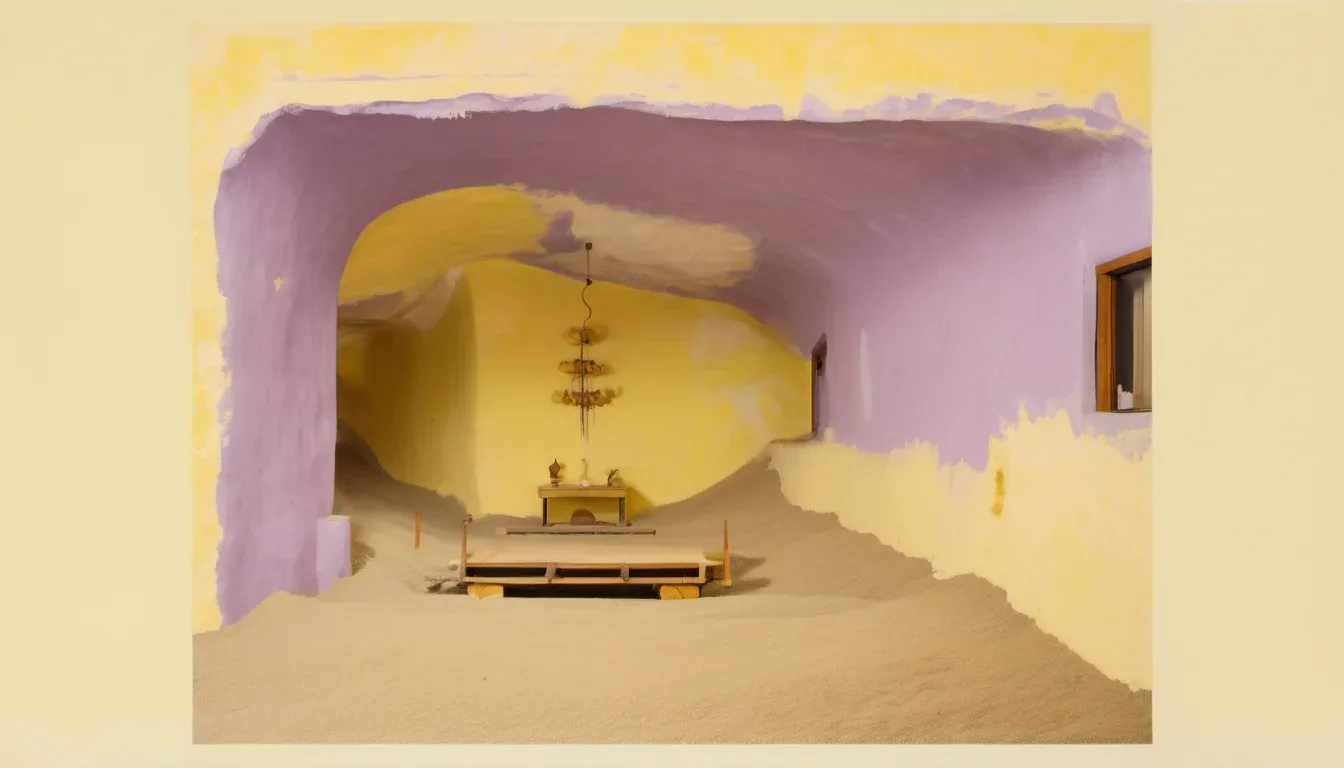
This is the Cacica salt mine. In Polish, it is known as Kaczyka. It is a medieval site, a relic of an era when salt was as valuable as gold. The mine was not merely a hole in the ground; it was the economic heart of the region. Without this white resource, the political and cultural landscape of Moldavia would have been vastly different.
Look at the landscape around you. The county covers 8,553 square kilometers, making it the second largest in Romania. The elevation decreases towards the east, towards the Siret River valley. But here, in the west, the mountains hold secrets. The salt deposits were the reason for the wealth that flowed into the towns and monasteries of Bukovina.
The source mentions the mine alongside the painted churches of northern Moldavia. This is no accident. The salt trade funded the construction of Voroneț, Putna, and Moldovița. The white crystals extracted from these depths paid for the frescoes that still dazzle visitors today. The mine is the silent patron of the region’s artistic heritage.
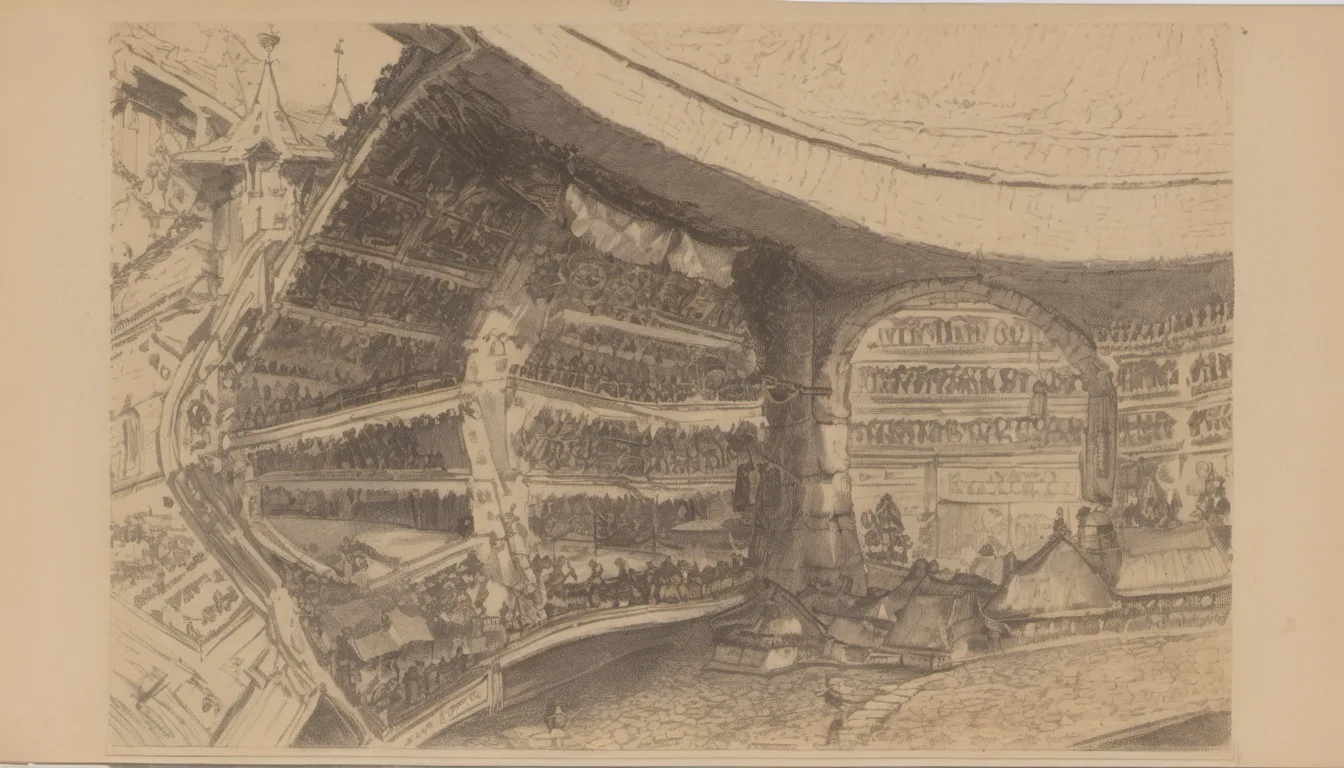
There is a legend, or perhaps just a local tradition, that the salt itself has a voice. Miners speak of the echoes in the tunnels, the sound of the earth breathing. It is a reminder that this place is alive. You are standing in a place where the economy of a medieval state was carved out of the mountain, grain by grain, crystal by crystal.
You are standing in the shadow of the Rodna Mountains. To your left, the Rarău range rises sharply. This is the western edge of Suceava County, a region defined by its rugged terrain. The county covers 8,553 square kilometers, making it the second largest in Romania, just after Timiș County in Banat. But the true story is not in the map. It is in the ground beneath your feet.
The Cacica salt mine is a medieval industrial site. In Polish, it is called Kaczyka. It is listed among the main tourist attractions of the county, alongside the medieval fortifications of Suceava and the painted monasteries. This grouping is significant. It suggests that the mine is not just a curiosity, but a pillar of the region’s history. It was the source of wealth that allowed the Moldavian state to flourish.
Consider the geography. The county’s elevation decreases towards the east, with the lowest height in the Siret River valley. The rivers crossing the county are the Siret, the Moldova, the Suceava, and the Bistrița. These waterways were the arteries of trade. Salt from Cacica would have been transported down these rivers, reaching markets across Europe. The mine was connected to the wider world through the veins of the landscape.
The economy of Suceava County is still rooted in the land. The predominant industries include lumber, food, mechanical components, construction materials, mining, and textiles. Mining remains a key sector. The legacy of Cacica is not just historical; it is part of the ongoing industrial identity of the region. The forests, which produce the greatest land mass of forests in Romania, and the mines, are the twin pillars of the local economy.
The salt mine was crucial in the medieval period. It provided the means of preservation, a necessity in a region with long winters. But more importantly, it generated revenue. The Moldavian princes used the income from salt to fund their wars, their diplomacy, and their building projects. The famous painted churches of northern Moldavia, such as Voroneț and Putna, were built with money earned from the salt trade. The white crystals of Cacica are the hidden pigment in the frescoes of Bukovina.
The region has a complex ethnic history. In the early 20th century, Suceava County was more heterogeneous. There were sizeable minority populations of Germans, Jews, Ukrainians, Poles, and Hungarians. The Germans, including Bukovina Germans and Zipser Germans, were particularly prominent. The Jews faced persecution and deportation during the Holocaust. The total number of Jews deported to Transnistria from Suceava County in October 1941 was 5,942. This tragic history is part of the county’s memory, even if the mine itself is a more ancient story.
Today, the county is mostly inhabited by Romanians. The primary language is Romanian, and the main religion is Eastern Orthodoxy. The ethnic groups have dwindled, making the region more homogenous. But the physical landscape remains. The mountains, the rivers, and the mines are still there. The Cacica salt mine is a tangible link to the past, a place where you can feel the weight of history.
There is a local tradition, or legend, about the miners of Cacica. They are said to have developed a unique culture, isolated in the depths of the earth. Some say they could navigate the tunnels by sound alone, listening to the echo of their picks. Others speak of a guardian spirit of the mine, a figure who protects the workers from collapse. These stories are part of the oral history of the region, passed down through generations of miners.
The mine is also a testament to the technological capabilities of the medieval period. Extracting salt from deep underground required sophisticated engineering. The miners had to deal with water, gas, and the sheer weight of the earth. The fact that the mine operated for centuries speaks to the skill and resilience of those who worked there. It was a dangerous job, but a vital one. Without it, the region would not have been what it is today.
In 2018, Suceava County was designated a European destination of excellence by the European Commission. This recognition highlights the importance of preserving and promoting the region’s heritage. The Cacica salt mine is a key part of this heritage. It is a place where visitors can learn about the economic history of Moldavia, the role of salt in medieval society, and the enduring connection between the land and its people.
As you leave the site, look back at the mountains. The Rodna, the Rarău, the Giumalău. They stand as silent witnesses to the centuries of labor that took place in their shadows. The salt mine is more than a tourist attraction. It is a monument to human ingenuity and the enduring power of the earth. It is a place where the past is not just remembered, but felt.