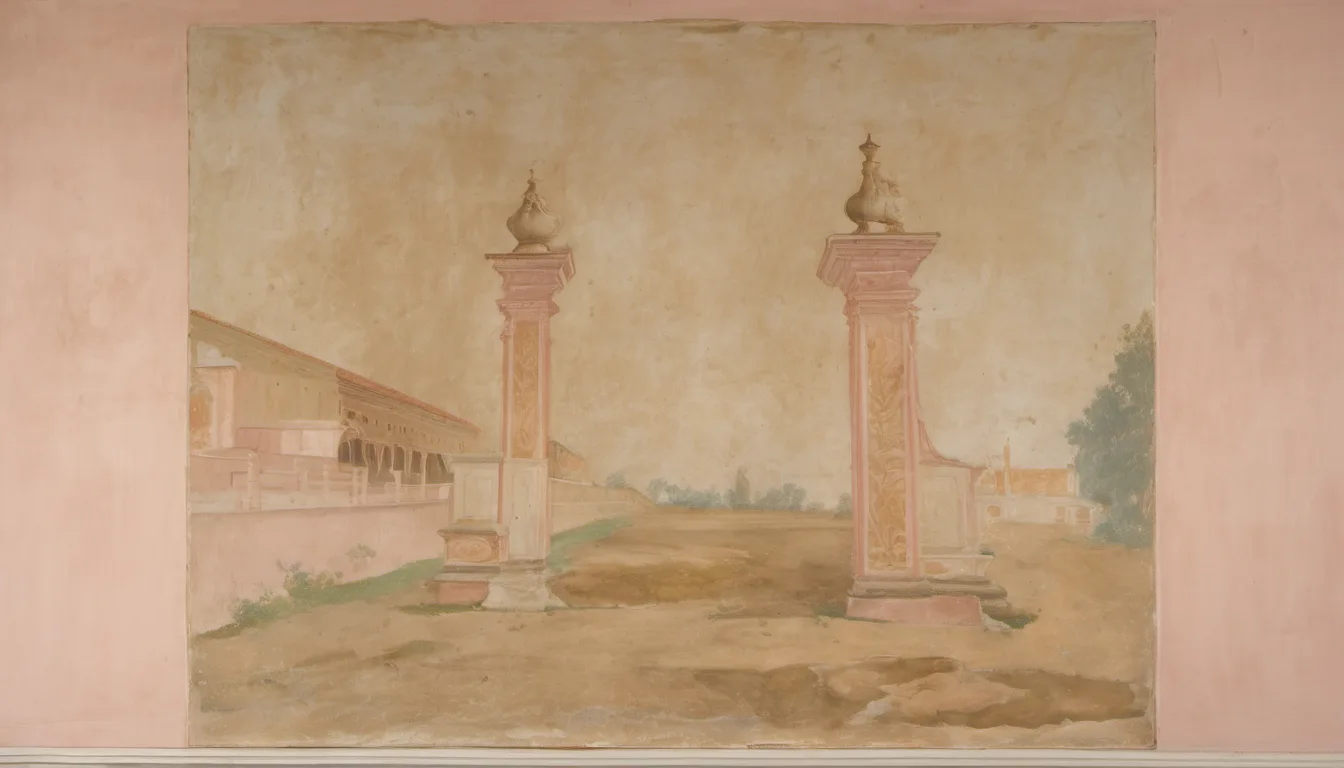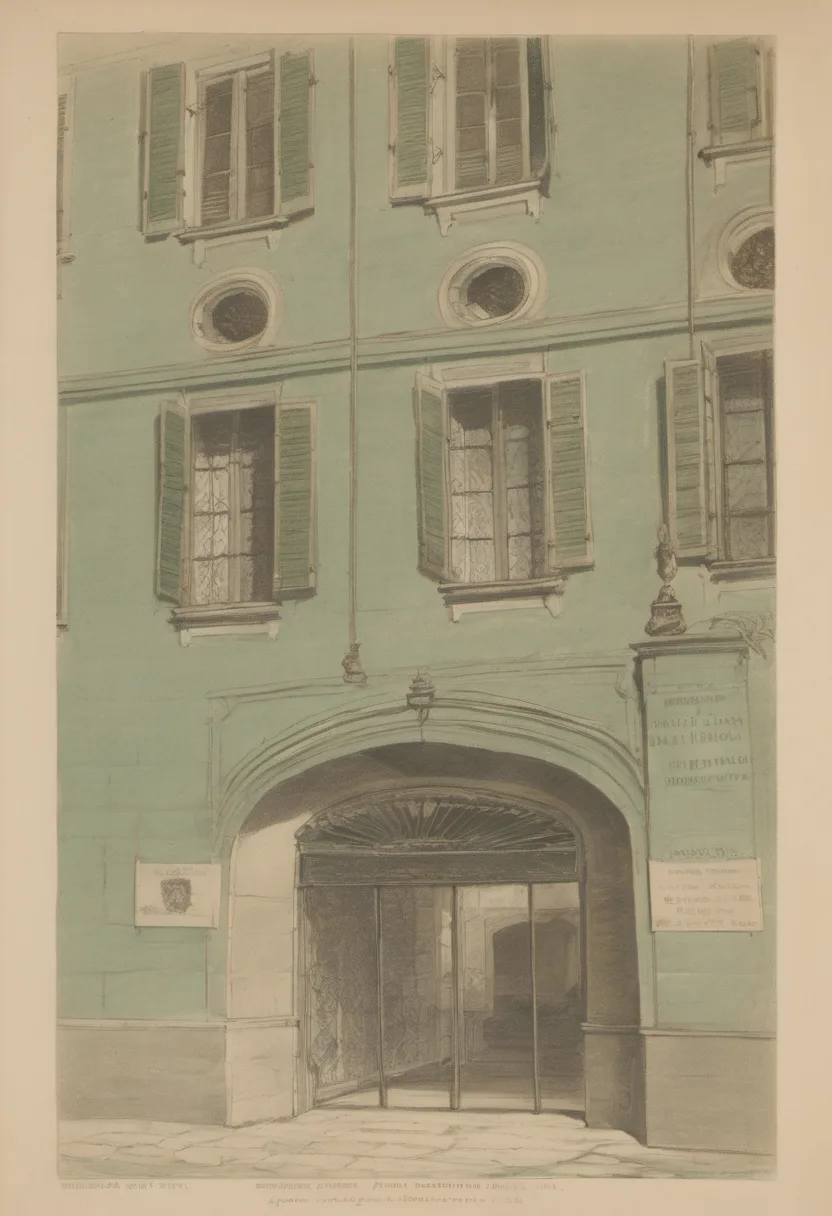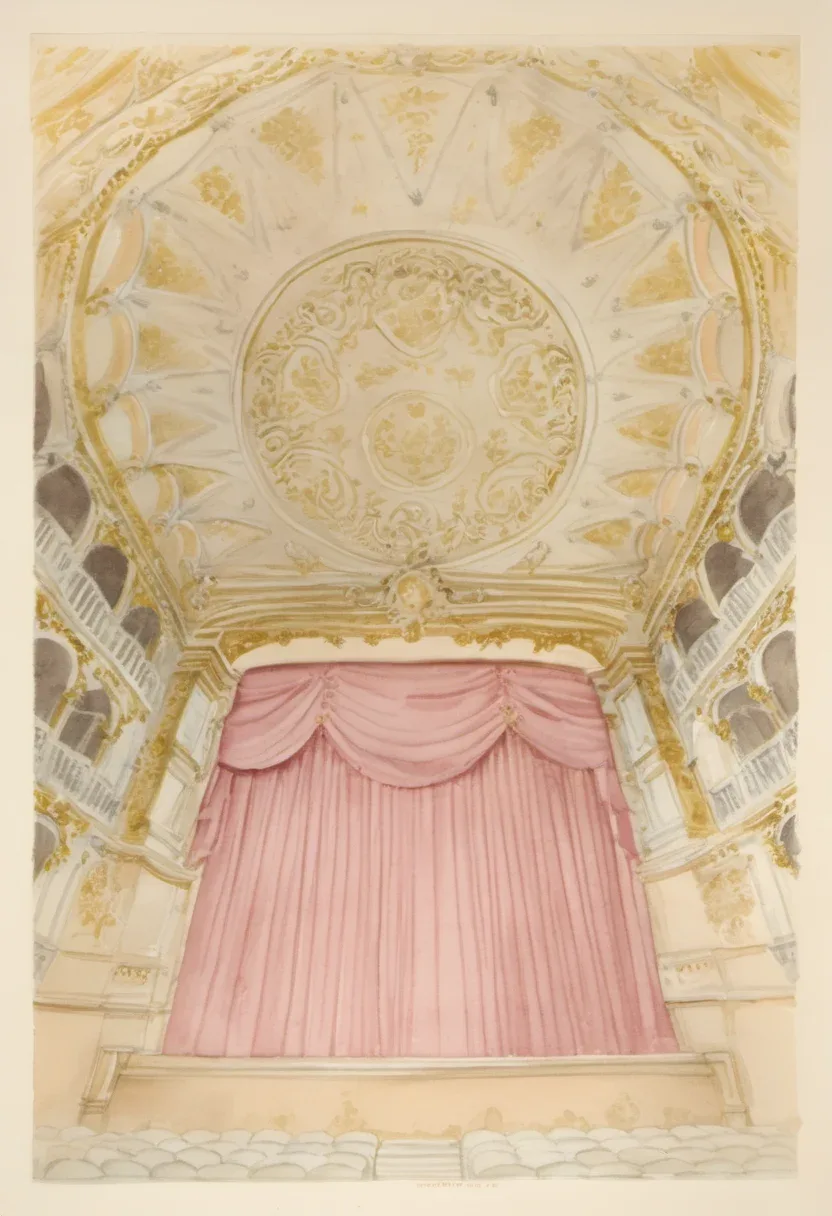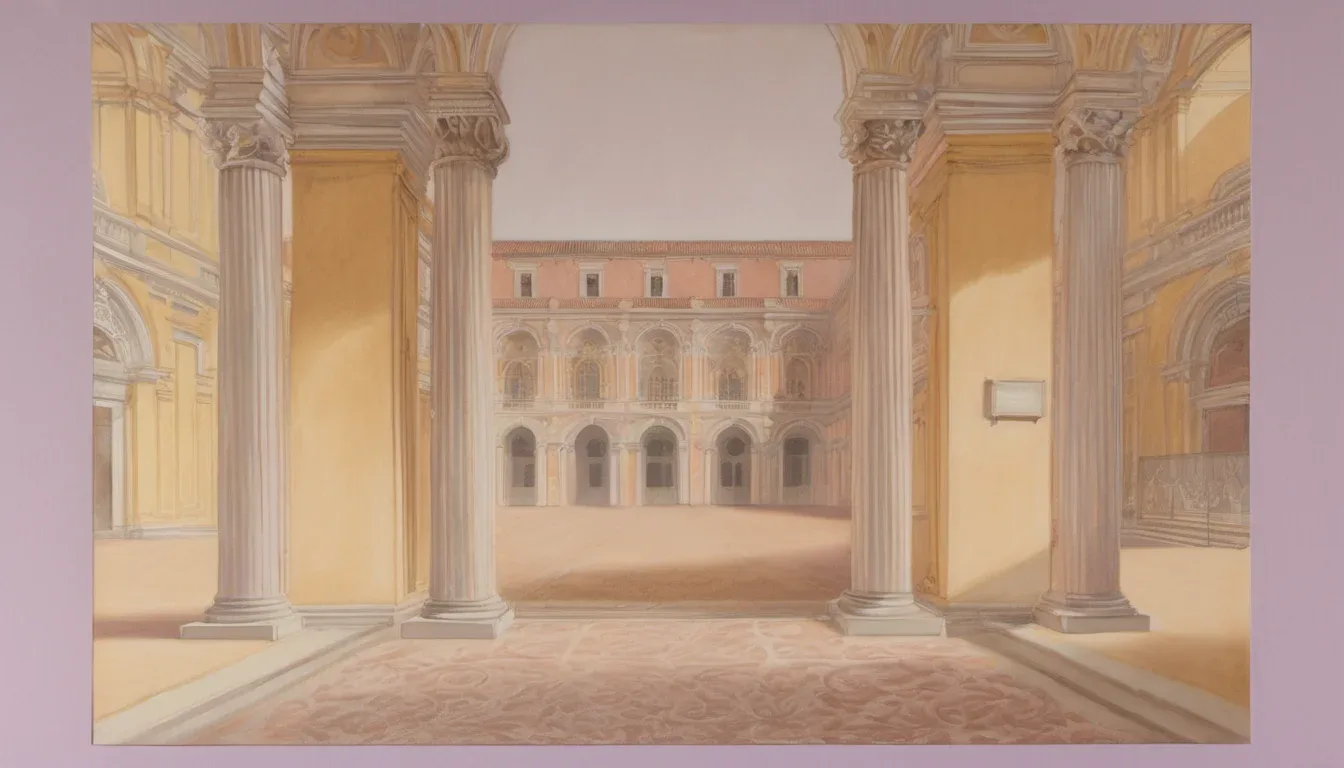
Palazzo Ducale Estense
Before the Ducal Palace was a palace, it was a castle. Obizzo II d'Este built one here in 1291, on the edge of Modena, linked to a navigable canal. When Ferrara passed to the papacy in 1598, the Este made Modena their capital and found the old stronghold unfit for a court. Duke Francesco I transformed it.
Work began in 1629-30, first to a design by Girolamo Rainaldi and later under Gaspare Vigarani and Bartolomeo Avanzini. The Baroque facade is monumental, with Este eagles in the marble and a central door flanked by Hercules and Cerberus and the consul Marcus Aemilius Lepidus. The Honour Court and Honour Staircase lead upward. Bernini, Borromini and Pietro da Cortona are all said to have had a hand in the design; the details are legend.
Inside, the Gran Sala has Franceschini's 440-square-metre fresco of Bradamante crowned by Jupiter and Ruggiero. The Salottino d'Oro, covered in gilded removable panels, was Duke Francis III's office. Este family history is intimate here: Rinaldo d'Este was born and died at the palace; Mary of Modena, later Queen of England, Scotland and Ireland, was born here; Duchess Charlotte of Brunswick-Lüneburg died here in childbirth.
Napoleon and Josephine stayed a single day in 1805, renamed it the National Palace and took away artworks and archives. Since 1947 the building has served as the Italian Military Academy. The Honour Court still stages swearing-in ceremonies, and the Military Museum and library remain in residence.
The Ducal Palace in Modena is a Baroque argument about the uses of a setback. The Este family had a castle on this spot from 1291, built by Obizzo II and set at the edge of Modena beside a navigable canal. In 1598 they lost Ferrara to Pope Clement VIII. Modena became the capital of what remained, and Cesare I moved into the old stronghold. It was not a residence fit for a European court.
His successor, Francesco I, made the transformation happen. Work started in 1629-30 on an initial design by Girolamo Rainaldi. The first architect on site was Gaspare Vigarani, then Bartolomeo Avanzini took over. Credit usually goes to Avanzini, but the design story is thicker. Bernini was asked for advice; one account says he refused because he was busy with the pope, then suggested Avanzini, yet still left the staircase and the great windows at the top of the central tower. Borromini is assigned the paired windows of the upper floors, and Pietro da Cortona is also named. Treat the exact division as legend.
The facade is monumental, with a chromatic play of marbles and the Este eagles carved above. The central door, decorated with Hercules and Cerberus and with the consul Marcus Aemilius Lepidus, the man recorded as Modena's founder, opens into the Honour Court. There the cadets swear their oath, and military ceremonies are held. From the court, the Honour Staircase rises through niches filled with statues to the piano nobile.
The piano nobile holds the historic rooms. The Gran Sala is the grandest. Marcantonio Franceschini painted the ceiling for a ducal wedding: the English account dates it 1696, the Italian 1695. At 440 square metres, it shows Jupiter and Ruggiero crowning Bradamante with laurel while Juno and the Olympian gods look on. Fame flies upward with her trumpet, and Bradamante carries the white Este eagle on her shield. For the house of Este, Ariosto's warrior heroine was a useful ancestor. Ancestral portraits, monochrome war trophies and two huge chandeliers complete the room.
Some of the palace's finest details are smaller. Gilded embossed ceilings survive, one with panels painted by a young Tintoretto; those panels are now exhibited at the Gallerie Estensi. The Salottino d'Oro, Francesco III's office, is covered with gilded removable panels. This was also a place of births and deaths. Mary of Modena, who would become Queen of England, Scotland and Ireland, was born here. Rinaldo d'Este was born and died here. Duchess Charlotte of Brunswick-Lüneburg died here in childbirth, her child with her. Ercole III and Maria Teresa Felicitas were born here.
The palace fell into new hands after the Este. A ducal military academy opened in 1757, ran until 1772, and other military schools followed. Napoleon arrived in 1805 with Josephine, entered Modena in triumph after their coronation, stayed one day, renamed the building the National Palace and helped himself to numerous artworks and archival goods. In 1859-60 Luigi Carlo Farini governed the new territories from the palace, and the Italian military school system later settled here; in 1928 it became the Royal Academy.
The war years leave a harder trace. On 8 September 1943 the German army requisitioned the palace for its provincial garrison. The next year the political investigation office of the Republican National Guard set up cells in the attic and tortured civilians and partisans there. Since 1947 the palace has again been the Italian Military Academy. It also contains the military shrine, the historical museum and a valuable library that can be consulted on request.
Stand in the Honour Court and the layers are visible: the medieval stronghold underneath, the Baroque ambitions above, the military discipline around. The Ducal Palace is not a frozen monument. It is a working building, still used for ceremonies, still part of Modena's civic life, still telling the Este story without needing to raise its voice.