Stâna Rarău
You are standing at the threshold of the Rarău Massif. The air is thin, carrying the sharp chill of January, even in summer. This is not a place for the faint of heart, but for those who seek the silence of the Eastern Carpathians. Look up. The peak rises to 1,651 metres, a jagged crown against the sky. You have arrived by car on the Transrarău road, DJ175B, which climbs to 1,520 metres. Beyond this point, the asphalt ends. The sheepfold awaits.
The Rarău Massif is a subgroup of the Moldo-Transylvanian Carpathians. It sits in Suceava County, in the historical region of Bukovina. To your left, the Moldova River valley drops away. To your right, the Bistrița River cuts its path. The massif covers 160 square kilometers of rugged terrain. It is a land of limestone and legend. The ground beneath your feet is ancient, formed by pressures that shaped the Alpino-Himalayan chain.
Look for the Pietrele Doamnei. These are the Lady’s Stones. Three large limestone pillars rise at 1,400 metres, close to the peak. They are the most famous formation in the massif. They stand like sentinels, weathered by 163 days of snow cover each year. The wind here is constant. The precipitation averages 909 mm annually. This is a wet, wild place. The stones are not just rock; they are markers of a landscape that defies easy mapping.
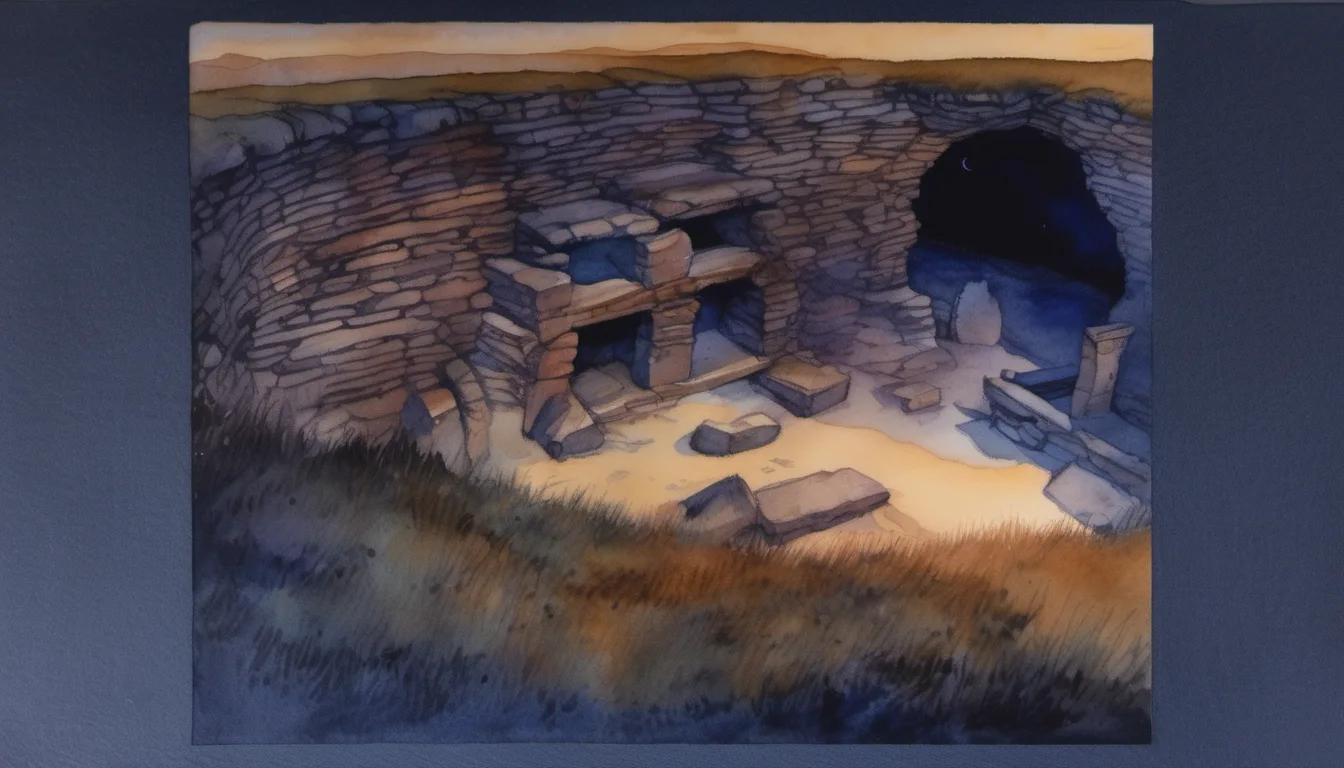
The high-pasture sheepfold is the human anchor in this wilderness. It is a circle of stone, built by generations of shepherds who brought their flocks here in summer. The transhumance routes are ancient. The shepherds lived here, far from the towns of Câmpulung Moldovenesc and Vatra Dornei. They survived the -7 °C winters and the cool summers. The sheepfold is a testament to their resilience. It is a place where time slows down.
There is a legend that the Lady’s Stones were once a family, turned to stone for their pride. Whether true or not, the stones remain. The sheepfold remains. You are here to witness this endurance. The Rarău Massif does not ask for your admiration. It demands your attention. Listen to the wind. Watch the limestone. Feel the altitude. This is Bucovina, stripped bare.
You stand at the end of the Transrarău road. The asphalt of DJ175B terminates at 1,520 metres. This is the limit of the car world. Beyond lies the Rarău Massif, a subgroup of the Moldo-Transylvanian Carpathians. The air is thinner here. The silence is profound. You are in Suceava County, in the historical region of Bukovina. The landscape is defined by the valleys of the Moldova and Bistrița rivers. The massif spans 160 square kilometers. It is a place of limestone and high pastures.
The Rarău Massif is part of the Eastern Romanian Carpathians. These mountains are a subsystem of the great Alpino-Himalayan chain, which stretches from Western Europe to South Asia. The classification of these mountains is complex. Geomorphologists divide them into provinces, subprovinces, and areas. The Rarău Massif is a unit within this hierarchy. It is a place of precise geography. The highest peak is Rarău, at 1,651 metres. The lowest point is 600 metres, in the Moldova River valley. The difference is stark.
Look at the limestone formations. The most famous are the Pietrele Doamnei, or the Lady’s Stones. Three large pillars rise at 1,400 metres. They are picturesque, jagged, and imposing. They are located close to the peak. The stones are a result of erosion over millennia. They stand as markers in a landscape that is otherwise open and exposed. The wind here is strong. The precipitation is high. The Rarău Meteorological Station records an average of 909 mm per year. This is a wet environment.
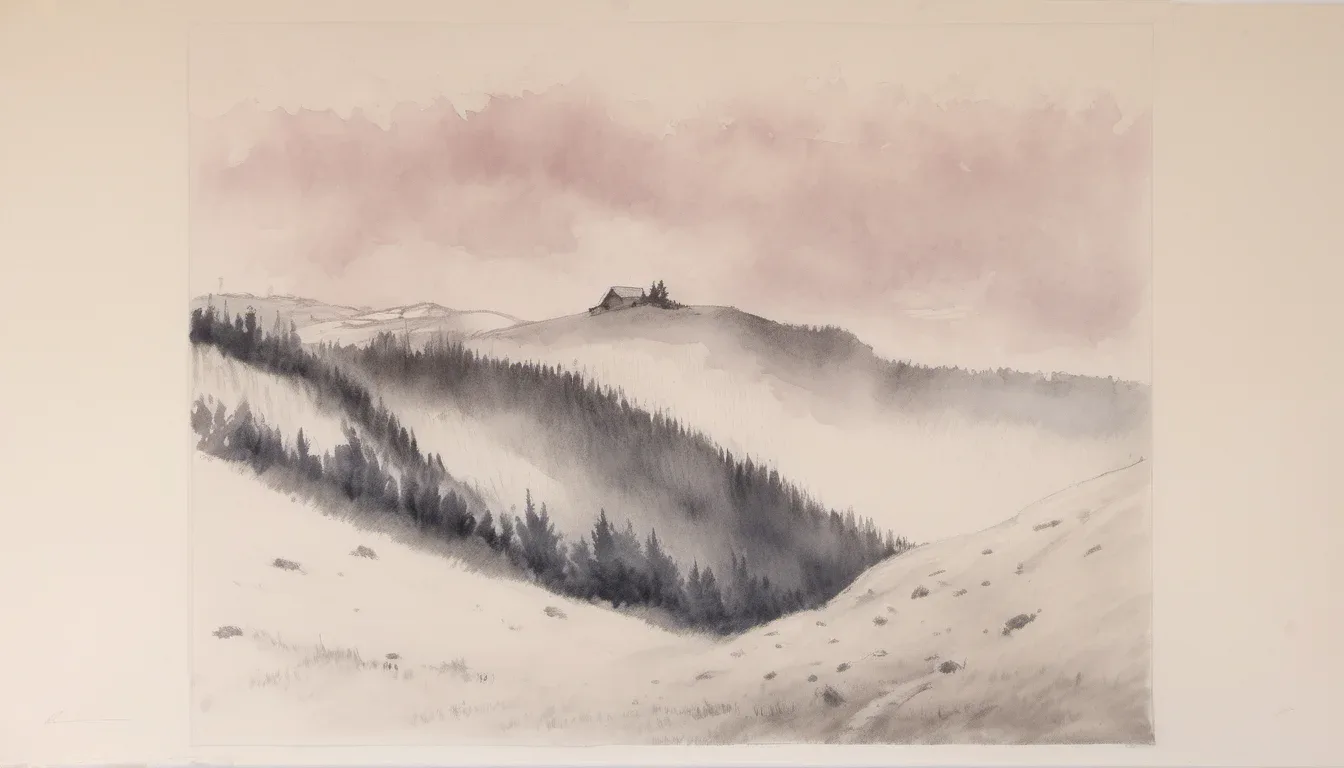
The climate is harsh. In January, the average temperature is -7 °C. In July, it is 11.4 °C. The differences between the northern and southern slopes are significant. The northern slopes are colder, damper. The southern slopes are slightly warmer. There are 163 days of snow cover per year. This dictates the life of the high-pasture sheepfold. The shepherds could not stay year-round. They had to move. This is the practice of transhumance.
The high-pasture sheepfold is a circle of stone. It was built by shepherds who brought their flocks to the high pastures in summer. The stone walls are low, curved, and enduring. They define a space for the sheep. They protect the flock from the wind. The sheepfold is a simple structure, but it is essential. It is the heart of the summer camp. The shepherds lived here, in simple huts, far from civilization. They were self-sufficient.
The closest population centers are Câmpulung Moldovenesc and Vatra Dornei. The commune of Pojorâta is also nearby. These towns are the gateways to the massif. The shepherds came from these valleys. They climbed up to the high pastures. The journey was long. The Transrarău road did not exist in their time. They walked. They carried their tools, their food, their lives. The sheepfold is a reminder of this effort. It is a monument to labor.
There is a legend about the Pietrele Doamnei. According to tradition, they were once a family. They were turned to stone for their pride. The legend is a way to explain the unusual shape of the rocks. It is a story of punishment and permanence. The stones remain. The family is gone. The legend adds a layer of meaning to the landscape. It is a story that locals know. It is a story that visitors hear.
The Rarău Massif is accessible on foot. There are marked trails. The peak is easily reachable. The trails wind through the limestone formations. They pass by the sheepfold. The views are expansive. You can see the valleys below. You can see the towns in the distance. The massif is a place of perspective. It is a place to see the world from above. The altitude gives you a new viewpoint.
The classification of the Carpathians is a subject of dispute. The division is largely accepted at the lowest level. But the higher levels are debated. In Romania, the Eastern Carpathians are divided into north, center, and south. This is different from the internal and external divisions used elsewhere. The Rarău Massif is in the north. It is part of the Moldo-Transylvanian Carpathians. This classification is important for geographers. It is less important for you.
What matters is the experience. The cold air. The limestone. The sheepfold. The legend. The Rarău Massif is a place of contrast. It is wild and accessible. It is ancient and modern. It is a place of stone and sky. The high-pasture sheepfold is the anchor. It is the human element in a natural landscape. It is a place to stop. To listen. To look. To feel the weight of the mountains.
The unsolved mystery is the silence. Why is it so complete? The wind is loud. The snow is heavy. But the silence is deeper. It is a silence that comes from isolation. From altitude. From the end of the road. The Rarău Massif is a place where the world ends. And where you begin. The sheepfold is the marker. The stones are the witnesses. You are the visitor. The story is yours to tell.