Fostă Fabrică de Bere Solca
You are standing in Solca, the third-smallest town in Romania. The air here is thin and clean, carrying the faint mineral scent of the salty springs that gave the settlement its name. It is quiet. Too quiet for a place that once hosted the grand summer resorts of the Austro-Hungarian Empire. Look up at the sky, framed by the eastern Carpathians. This is a place where history has stopped moving, preserved in amber and brick.
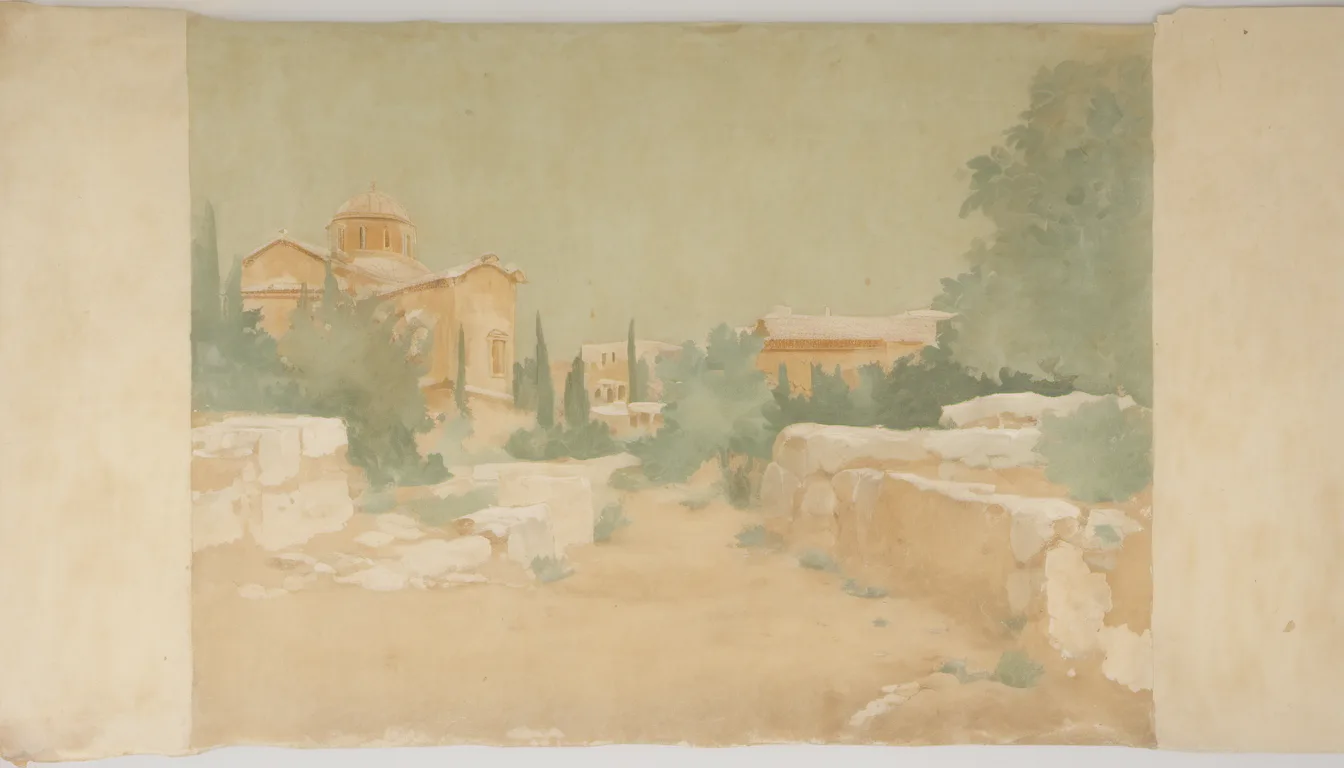
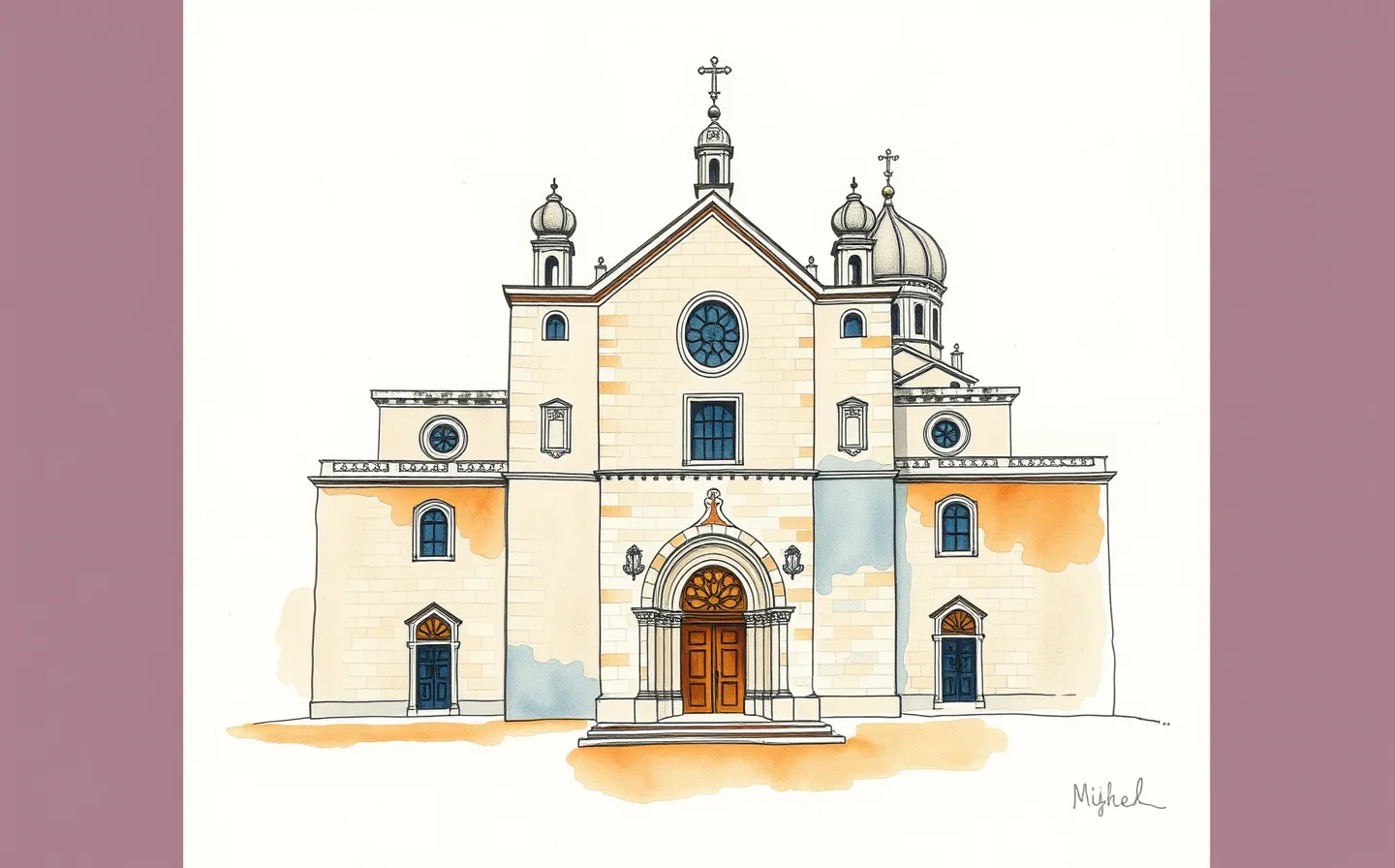
Your attention goes immediately to the monumental Orthodox church. This is the former Sts. Peter and Paul’s Monastery, also known as Solca Monastery. It was built between 1613 and 1623 by Voievod Ștefan Tomșa II of Moldavia. The structure is imposing, a testament to the power of a prince who ruled during a turbulent period in Moldavian history. He bought the village at the beginning of the 17th century and commissioned this spiritual fortress. It stands as a stark contrast to the modest, rural aspect of the surrounding town.
The monastery was closed by the Habsburgs in 1785. This date marks a shift in the town’s soul. Before this, Solca was a religious center. After this, it became a medical one. The Habsburgs, who annexed Bukovina in 1775, transformed the area. They recognized the value of the high-quality air and the salty springs. Doctors Eduard Beilich in 1845 and Hermann Poras in 1876 established sanatoriums for lung diseases. The town became a well-known spa, attracting those seeking cure from the miasma of the cities.
Then there is the beer. In 1810, one of the oldest beer factories in Romania opened here. The Solca brand became the main symbol of the settlement, a liquid legacy of the Habsburg era. The factory operated until 2004, when it closed. The brand was acquired by Bermas and production moved to Suceava. Now, only the memory of the brewery remains, a ghost in the machinery of a town that has regressed since 1989. The sanatorium is now an asylum for the elderly. The summer garden is closed. You are left with the church, the salt, and the silence.
Locals will tell you about the split. In 2004, a referendum was held. In 2007, the village of Poieni-Solca split from the town to become an independent commune. This administrative act caused a drastic population decline, from 4,456 in 2002 to 2,188 in 2011. Today, with 2,405 inhabitants, Solca is a shadow of its former self. It is a place of agriculture and memory. The main occupation is farming. The resort is gone. But the church remains, a silent witness to the princes, the doctors, and the brewers who once thrived here.
You stand in Solca, a town that defies the typical Romanian urban experience. With a population of 2,405 according to the 2021 census, it is the smallest town in Suceava County and the third-smallest in Romania. Only Băile Tușnad and Nucet are smaller. The name Solca is derived from the river flowing through it, which in turn comes from the Slavic word 'sol', meaning salt. This reference to the area’s salty springs is not merely etymological; it is the foundation of the town’s identity, its economy, and its eventual decline. The air here is renowned for its high quality, a fact that once drew thousands of visitors and now remains as a quiet, invisible monument.
The dominant feature of the landscape is the monumental Romanian Orthodox church, the former Sts. Peter and Paul’s Monastery. Known locally as Solca Monastery, it was built between 1613 and 1623. The patron was Voievod Ștefan Tomșa II of Moldavia, a ruler who held power during two distinct periods: 1611–1615 and 1621–1623. Tomșa bought the village at the beginning of the 17th century and commissioned this structure. It is an imposing edifice, reflecting the architectural ambition of the Moldavian princes of the era. The monastery served as a spiritual center for the region, a place of pilgrimage and prayer. Its walls, built of stone and brick, have withstood centuries of political upheaval, from the Ottoman influence to the Habsburg annexation.
The history of Solca begins earlier, however. The settlement was first mentioned in a document issued by Moldavian Prince Alexandru cel Bun on January 15, 1418. For centuries, it was a modest village. On March 7, 1502, the boyar Luca Arbore bought the village from the grandchildren of Cârstea Horaeț and Șandru Gherman. Subsequently, Metropolitan Gheorghe Movilă offered the village to the Sucevița Monastery. These transactions reveal the fluid nature of land ownership in medieval Moldavia, where religious institutions and powerful boyars vied for control. The transformation into a market town occurred in the centuries following the monastery’s construction, establishing Solca as a commercial hub for the surrounding area.
The turning point for Solca came in 1775, when Bukovina became part of the Habsburg monarchy. This integration into the Austrian Empire, and later Austria-Hungary, brought a wave of new inhabitants. Many Germans, who later became collectively known as Bukovina Germans, along with Polish and Jewish families, settled here. This demographic shift changed the character of the town. It was no longer just a Moldavian village with a monastery; it became a cosmopolitan center within the Empire. The Habsburgs closed the monastery in 1785, a move that severed the town’s religious heart. However, they replaced it with a new identity: health.
The Habsburgs recognized the therapeutic potential of Solca’s air and salt springs. At the initiative of doctors Eduard Beilich in 1845 and Hermann Poras in 1876, a sanatorium for lung diseases was opened. An additional summer garden was established, catering to the needs of patients and their families. This development spurred the tourism industry, turning Solca into a well-known spa of the Austro-Hungarian Empire. The town became a destination for those suffering from respiratory ailments, drawn by the promise of cure. The sanatorium, with its summer garden, became the center of social life, a place of leisure and recovery. The high school, Tomșa Vodă High School, and the central park were part of this vibrant infrastructure.
Parallel to the spa culture, the industrial identity of Solca took shape. In 1810, one of the oldest beer factories in Romania opened in the town. The Solca beer brand became the main symbol of the settlement, a tangible product of the Habsburg era’s industrialization. The factory operated for nearly two centuries, until 2004. Its closure marked the end of an era. The brand was subsequently acquired by Bermas, and production was moved to Suceava. The physical plant in Solca fell silent. This loss is palpable in the town’s current atmosphere. The brewery was not just a factory; it was a source of pride and employment, a link to the town’s prosperous past.
The 20th century brought further turmoil. During World War I, Solca was the scene of Eastern Front battles between the armies of Austria-Hungary and the Russian Empire. Situated on the line of the front, the town suffered the ravages of war. After 1918, Solca, along with the rest of Bukovina, became part of the Kingdom of Romania. It remained a sought-after resort, particularly for those with lung diseases. The town was officially declared a town in 1926, a recognition of its status and population. However, the post-war period did not bring the same level of prosperity as the Habsburg era. The sanatorium continued to operate, but the town’s international appeal waned.
The Romanian Revolution of 1989 marked the beginning of a period of regression. The sanatorium was turned into a chronic diseases hospital and, eventually, in 2011, into an asylum for the elderly. The beer factory and the summer garden were closed down. The high school went through a decrease in prestige. Today, Solca is no longer a resort. The main occupation of its inhabitants is agriculture. The town has a rural aspect in many areas, despite its status. Around ten apartment blocks were built along the two main roads, Tomșa Vodă Street and Republicii Street, during the Communist regime. These structures stand as relics of a different era, a time of state-planned urbanization.
A significant event in recent history was the local referendum held in August 2004. Following this vote, the village of Poieni-Solca split from the town of Solca in March 2007 and became an independent commune. This administrative change had a profound impact on the town’s demographics. The population dropped drastically from 4,456 in 2002 to 2,188 in 2011. The 2021 census recorded 2,405 inhabitants, a slight recovery, but the town remains small. The split reflects the decentralization trends in post-communist Romania, but for Solca, it meant a loss of population and resources.
Despite its decline, Solca retains points of interest. The 17th-century Romanian traditional house, transformed into a museum in 1971, offers a glimpse into the past. The Roman Catholic Church, dating from 1868, stands as a testament to the Habsburg influence. Pietrele Muierilor, a monument of nature located near the town, attracts visitors interested in the natural landscape. The town is situated at the foot of the eastern part of Obcina Mare Mountains, in the Solca-Cacica Depression, at an average altitude of 522 meters. It borders the communes of Marginea, Arbore, Poieni-Solca, Cacica, and Mănăstirea Humorului. It is 23 km from Rădăuți, 32 km from Gura Humorului, and 48 km from Suceava.
Solca is not connected to the Romanian national railway system, a fact that isolates it further. The town’s current local council, for the period 2024–2028, reflects the multi-party political composition of the region. Among its natives is Ilie E. Torouțiu (1888–1953), a literary historian and academician. His presence adds a cultural dimension to the town’s history. Today, Solca is a place of quiet reflection. The monastery, the closed brewery, and the silent sanatorium tell a story of rise and fall. It is a place where the past is preserved in the present, a reminder of the forces that shape small towns in large empires.