Strahov Monastery Library
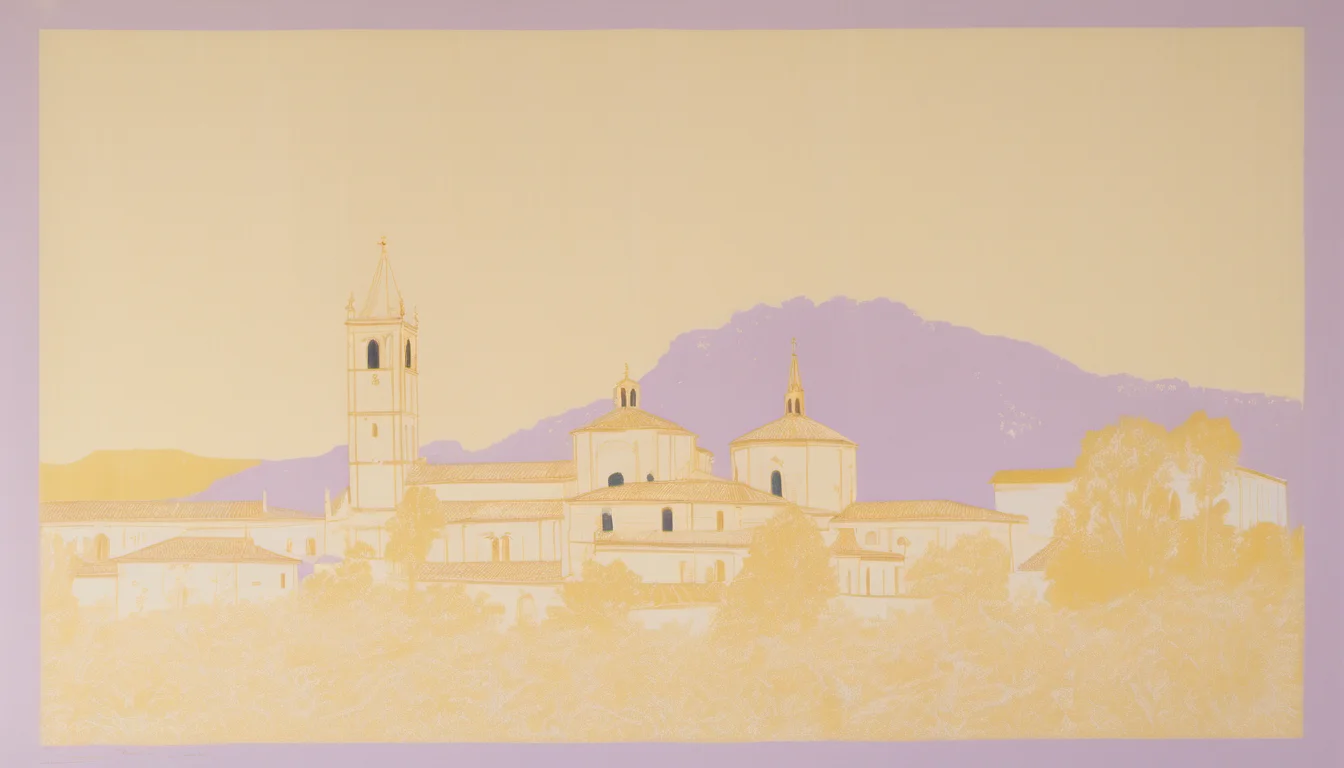
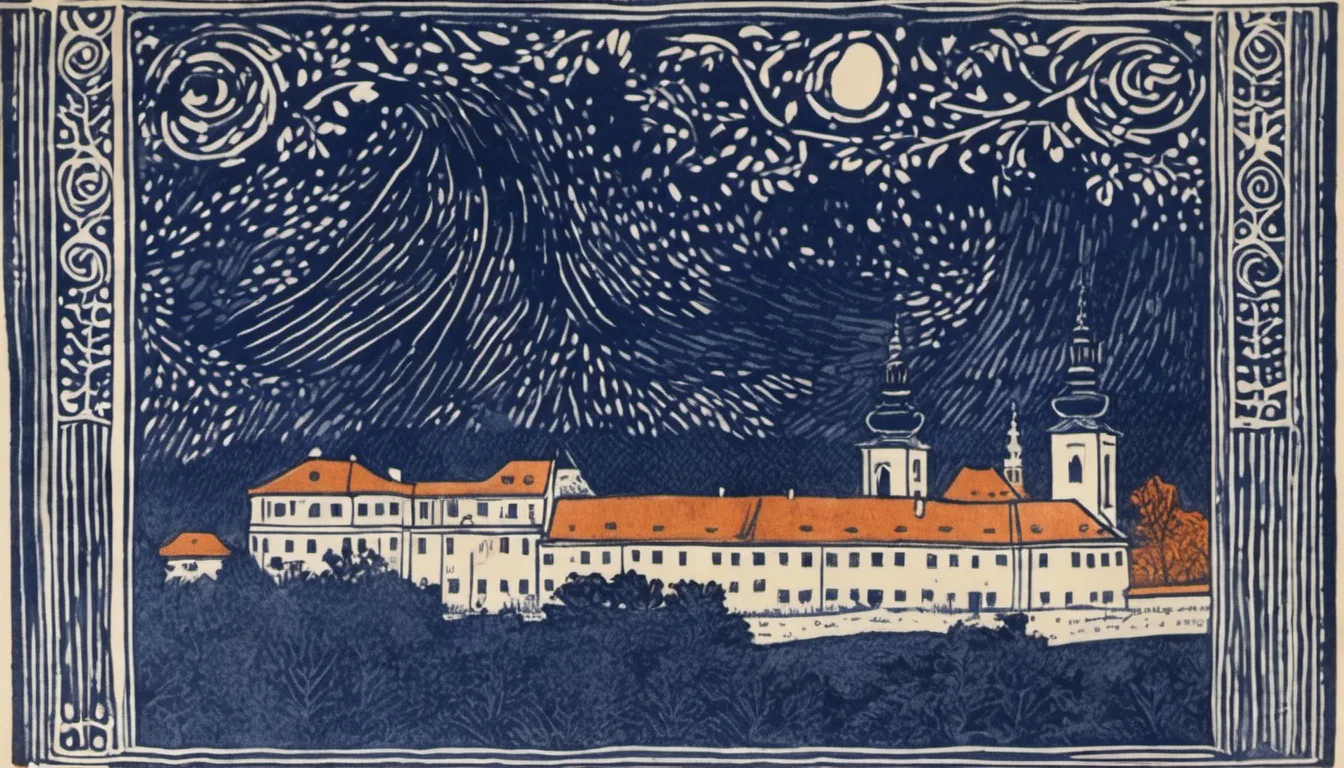
Strahov Monastery was founded in 1143 by Bishop Jindřich Zdík and Duke Vladislaus II. The first monks, Premonstratensians from Steinfeld, built a wooden monastery and a Romanesque basilica. Fire damaged the complex in 1258, but it was rebuilt in stone. The Hussite Wars brought plunder and burning of books in 1420, leaving the monastery moribund for over a century.
Renewal came with Abbot Jan Lohelius in 1586. He reconstructed the church, built workshops and a refectory, and restored the monastery's estates. By 1594, twelve monks lived there again. His successor, Kašpar Questenberg, continued the work during the Thirty Years' War, completing the lower cloisters, a hospital, and a brewery. He also oversaw the transfer of St. Norbert's remains from Magdeburg in 1627.
The library's Theological Hall was built by Abbot Jeroným Hirnheim in 1679, its ceiling frescoed by Siard Nosecky. A century later, Abbot Václav Mayer added the Philosophical Hall in 1779, a classical space adorned by Anton Maulbertsch. The library now holds over 200,000 volumes, including 3,000 manuscripts and 1,500 first prints. After communist takeover in 1950, the library became part of the Memorial of National Literature, returned to the order after the Velvet Revolution in 1989.
The Strahov Monastery was founded in 1143 by Bishop Jindřich Zdík of Olomouc, who, after a pilgrimage to the Holy Land, envisioned a monastery of regular canons in Prague. With the support of Duke Vladislaus II, he invited Premonstratensians from Steinfeld. They built first of wood, then stone, centered on a Romanesque basilica. A severe fire in 1258 forced reconstruction.
During the Hussite Wars in 1420, citizens of Prague attacked and plundered the monastery. Books, articles of worship, and furnishings were burned. The buildings survived architecturally, but the monastery stagnated for decades. Attempts at revival failed until Abbot Jan Lohelius arrived in 1586. He raised spiritual life, rebuilt the church, established workshops, and regained estates. By 1594, a community of twelve monks was restored.
Abbot Kašpar Questenberg succeeded Lohelius and continued costly building projects during the Thirty Years' War. He completed the lower cloisters, a prelature, St. Elizabeth's Hospital, and a brewery. He also founded a Norbertine seminary in the New Town. In 1627, he arranged the transfer of St. Norbert's remains from Magdeburg to the abbey church. Under his rule, the Church of Saint Roch was finished in 1630.
After Questenberg's death in 1640, Abbot Kryšpin Fuk took over. He gained fame for making the Vltava navigable at St. John's Rapids. Swedish troops plundered the abbey near the war's end, looting the church and library. Fuk repaired the damage, and later abbots Ameluxen, Sutor, and Franck continued reconstruction. Franck rebuilt the prelature and a new hospital after the original was demolished for Baroque fortifications.
In 1670, Abbot Jeroným Hirnheim, a philosopher and theologian, oversaw the construction of the library's Theological Hall, completed in 1679. Its ceilings were frescoed by Siard Nosecky. During the 17th and early 18th centuries, other abbots maintained and decorated the church. French and Bavarian troops bombarded Prague in 1742, causing serious damage, after which the abbot rebuilt the church and monastery area.
Abbot Václav Mayer, appointed in 1779, built the Philosophical Hall in Classical style, bringing the monastery's major building activity to an end. The library survived through the 19th century with minor repairs. In 1950, the communist regime took over the monastery, interning the religious. The library was transformed into the Memorial of National Literature. Archeological research revealed the original Romanesque form.
After the Velvet Revolution in 1989, the monastery was returned to the Premonstratensians. They undertook costly reconstruction: the church was restored, new technical networks installed, and the picture gallery rebuilt. The Strahov Library, containing over 200,000 volumes, 3,000 manuscripts, and 1,500 first prints, reopened its reading room. Today it remains one of the world's most valuable preserved libraries.