Dante's Tomb
Dante Alighieri died in Ravenna in 1321, an exile from the Florence that had condemned him and would spend the next several centuries trying to get him back. He was buried outside the cloister of what was then a Franciscan monastery, now the Basilica di San Francesco, in an ancient Roman sarcophagus. He is, remarkably, still in it.
Florence's campaign to reclaim him began almost at once. A Latin epitaph for the tomb was written in 1366; by the end of the fifteenth century the sarcophagus had been moved to the west side of the cloister by Bernardo Bembo, the Venetian podestà of Ravenna. Then came the real push. Two Medici popes backed Florence's petition, and Michelangelo lent his support to the first request. In 1519 Pope Leo X granted permission to move the sarcophagus home. The Franciscan friars guarding the tomb had other ideas: they broke a hole in the cloister wall and smuggled Dante's bones out before the Tuscan delegation arrived. The visitors found an empty box, and the sarcophagus was set under guard.
What followed was two centuries of careful custody. In 1677 the monastery's prior sealed the bones into a new box. They went back into the original Roman sarcophagus in 1781, the same year Cardinal Luigi Valenti Gonzaga completed the neoclassical monument that still stands, designed by the Ravenna architect Camillo Morigia. Behind the sarcophagus hangs a 1483 marble relief by Pietro Lombardo, showing Dante reading at his lectern. Overhead, a votive lamp burns on olive oil that Florence still sends every 14 September, the anniversary of his death - about as close as the city has ever come to having him back.
The bones went into hiding twice more. In 1810, with French troops occupying Ravenna, friars hid the box under an old doorway near the Braccioforte Chapel before fleeing the city, and its location was lost for over half a century. It resurfaced only in 1865, during restoration work timed to Dante's 600th birthday, when a young student, later a respected notary, spotted the words "OSSA DANTIS" on the box and kept it from being tipped into a common grave. The skeleton was displayed briefly in a crystal coffin before being sealed in a walnut chest and reburied under the monument. During the Second World War the bones were buried again, this time in the tomb's own garden, and not returned until December 1945.
Florence, for its part, built a consolation monument in Santa Croce in 1829: Dante seated in thought, a personification of Poetry weeping over his sarcophagus. It has never held so much as a finger bone. Ravenna's small, quiet tomb, ringed by a "zona dantesca" that asks visitors for silence, is the real one - and the city has never given it up.
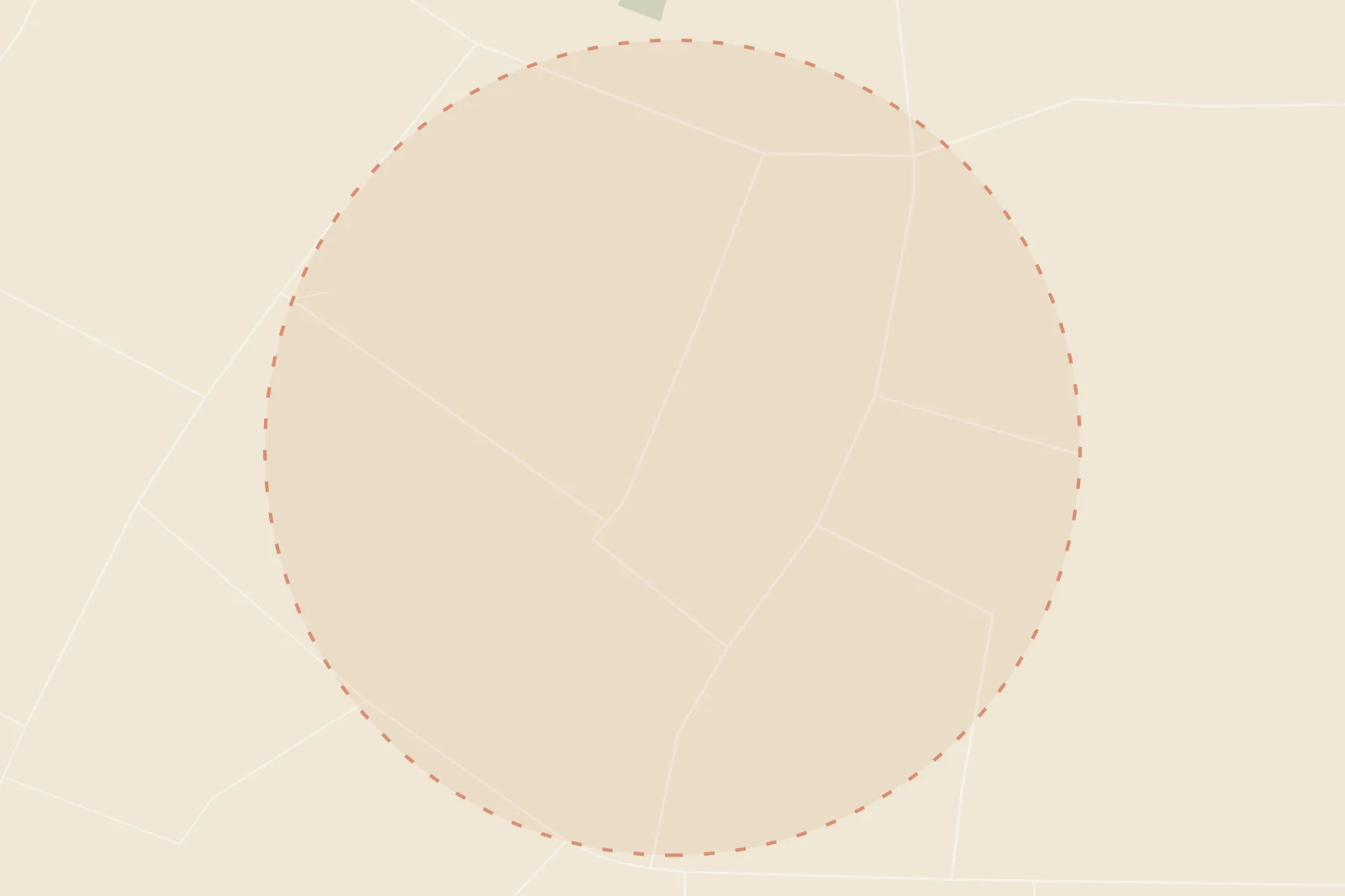
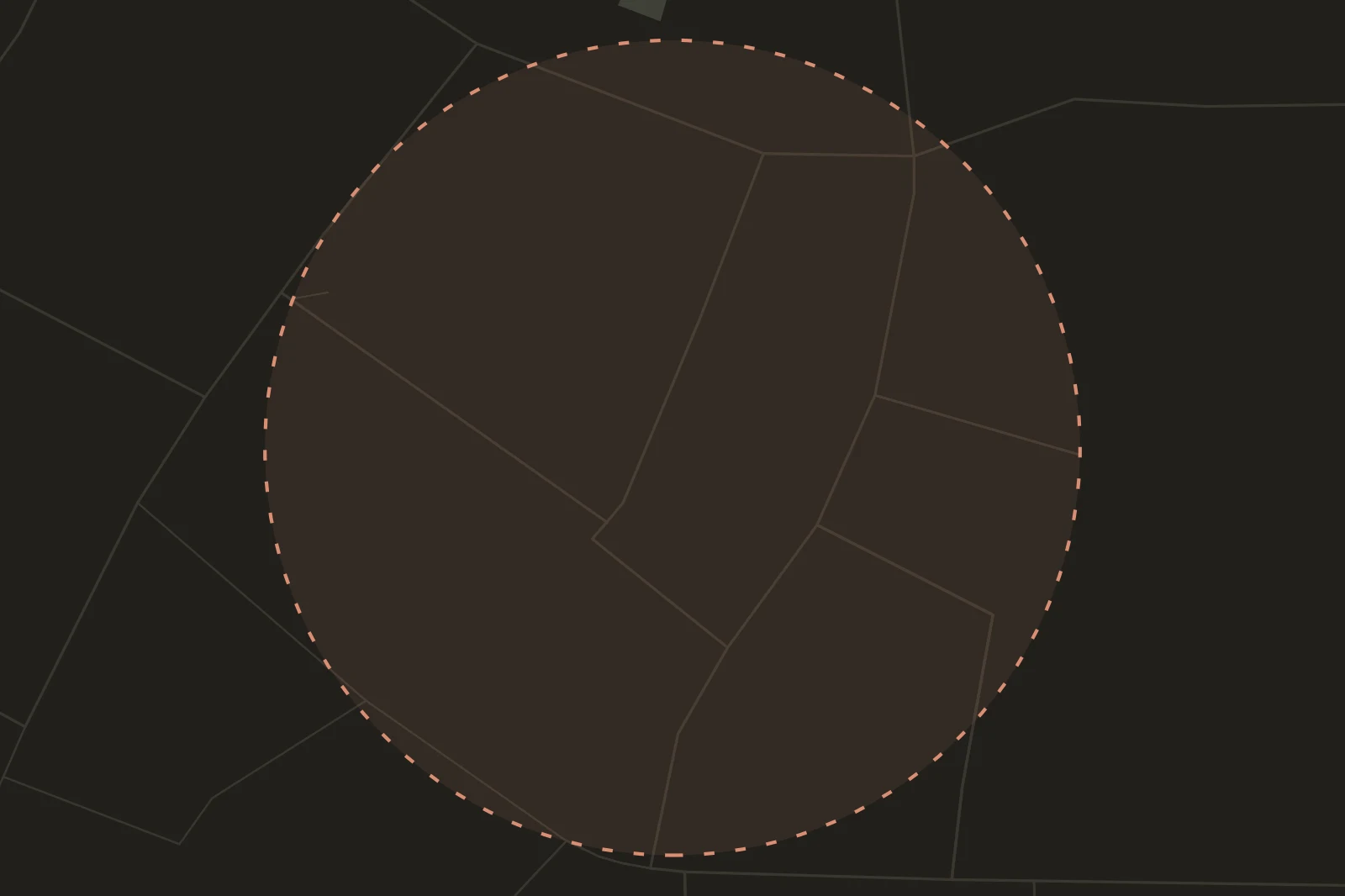
Dante Alighieri spent his last years in Ravenna as an exile, banished from the Florence that had once been his home, and died there in 1321. His funeral was held the following day in the cloister of what was then a Franciscan monastery - the church of San Pier Maggiore, later renamed the Basilica di San Francesco. He was buried just outside the cloister, by the roadside, in an ancient Roman sarcophagus. Today the monument that covers that sarcophagus sits inside a "zona dantesca," a small zone in central Ravenna where visitors are asked to stay quiet and behave with a certain reverence.
A poetic Latin epitaph for the tomb was composed in 1366 by Bernardo Canaccio and inscribed on the sarcophagus lid; its closing line has Dante address Florence directly, as the "mother of little love" who bore him. By the end of the fifteenth century the sarcophagus had been shifted to the west side of the cloister by Bernardo Bembo, the Venetian podestà of Ravenna. It seemed, for a while, like a settled arrangement. It was not. Florence had never stopped wanting its poet back, and within a generation the city's ambitions would nearly succeed - and then spectacularly fail.
Two Medici popes, Leo X and Clement VII, backed Florence's campaign to bring the remains home, and the first formal request had the support of Michelangelo. In 1519 Leo granted Florence permission to move the sarcophagus. But the Franciscan friars who kept watch over the tomb had time to act first: they broke a hole through the cloister wall and secretly moved Dante's bones to a hiding place before the Tuscan delegation could arrive. When the delegation reached Ravenna, they found the sarcophagus empty. It was moved into the cloister and placed under guard - not to protect Dante's bones, which were by then somewhere else entirely, but to guard an empty box from a city that refused to stop asking.
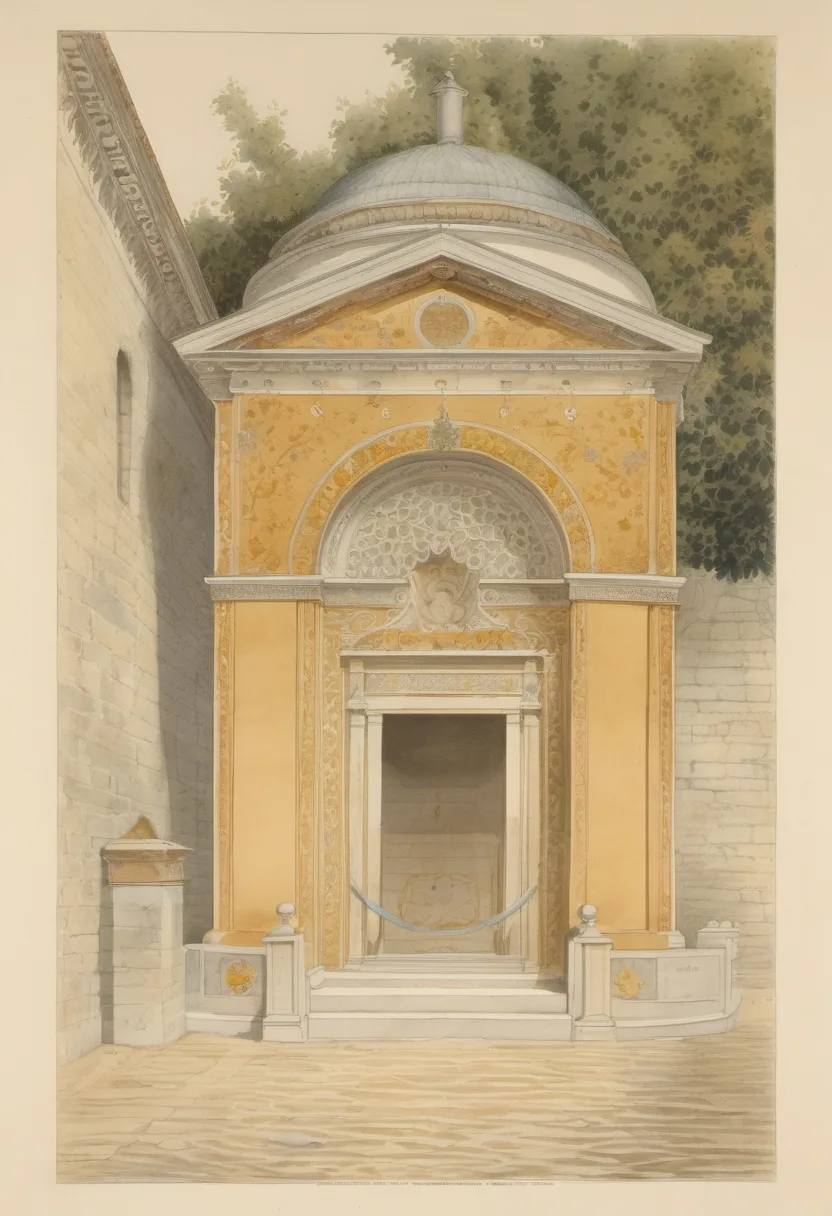
The bones stayed hidden. In 1677 the monastery's prior sealed them into a new box; the sarcophagus itself was restored under armed guard in 1692, still watching over nothing. Only in 1781 were the bones finally returned to the original Roman sarcophagus - the same year the monument above it was completed, commissioned by Cardinal Luigi Valenti Gonzaga, the cardinal legate of Romagna, from the Ravenna architect Camillo Morigia. It is square in plan, topped by a small cupola and dome, its interior finished in marble and stucco. Morigia had originally planned to fill the dome's pendentives with images of Virgil, Brunetto Latini, Cangrande della Scala and Guido Novello da Polenta - the men who guided, taught, sheltered and hosted Dante through his life. That scheme was abandoned, and the interior remains plainer than intended.
Behind the sarcophagus is a 1483 bas-relief by Pietro Lombardo, showing Dante seated at a lectern, reading - it had already stood in roughly this spot for most of the fifteenth century. From the ceiling hangs an eighteenth-century votive lamp, kept burning continually on olive oil pressed in the Tuscan hills; Florence has sent the oil every 14 September since, the anniversary of Dante's death. The monument's street facade is deliberately plain: a gate topped by Cardinal Gonzaga's archiepiscopal coat of arms, and beneath it a single inscription - DANTIS POETAE SEPULCRUM, the tomb of Dante the poet.
The bones were disturbed once more in 1810. With French troops occupying Ravenna, the friars hid the 1677 box again, tucking it beneath an old doorway between the basilica and the Braccioforte Chapel before leaving the city - and this time the hiding place was simply forgotten. Florence had still not given up hope of getting Dante back, and in 1829, with nothing to show for three centuries of asking, the city erected a cenotaph in the Basilica of Santa Croce instead: the poet shown seated in thought, a personification of Poetry weeping over his sarcophagus. It was a monument built entirely around an absence.
The location stayed forgotten for fifty-five years. On 27 May 1865, a worker carrying out restoration work ahead of the 600th anniversary of Dante's birth found the box. A young student - later a respected notary - named Matteucci Anastasio noticed the words "OSSA DANTIS," Dante's bones, cut into it, and stopped it from being thrown into a common grave. The box carried a fuller inscription too: "Dantis ossa a me Frate Antonio Santi hic posita 1677, die 18 Octobris" - Dante's bones, placed here by me, Friar Antonio Santi, in 1677, on the 18th of October. The almost-complete skeleton was rearticulated and put on public display in a crystal coffin for a few months, before being reburied under the monument in a walnut chest with a lead cover. It has never left, and it has never gone back to Florence.
More additions came in the twentieth century. In 1921 a bronze garland was placed at the foot of the sarcophagus in memory of the dead of the First World War, alongside a marble plaque recording the tomb's various restorations and an iron gate to the garden, designed by the Venetian artist Umberto Bellotto. During the Second World War the bones were hidden yet again, this time buried in the garden from March 1944 until 19 December 1945, to keep them safe from bombing, before being returned to the monument under a new plaque. The monument itself was restored in 2006 and 2007, its facades entirely repainted.
To the monument's right, a small garden occupies what remains of the original monastic cloister - just a colonnade on one side now. It is known, traditionally, as the Quadrarco di Braccioforte, after a story in which two people invoked the "strong arm" of Christ to guarantee a contract between them, and had that arm painted on the arch as a witness. Among those said to have known Dante personally during his Ravenna years was Menghino Mezzani, a local notary and poet later described, in a 1399 letter, as a familiar friend and companion of the poet - though the claim reaches us secondhand, through Boccaccio's account, and cannot be independently confirmed. What can be confirmed sits a few steps away, under a small dome, exactly where it has been, one way or another, for seven hundred years.