Hallwylska Museet
Hallwyl Museum sits at number 4 Hamngatan, facing Berzelii Park. The building was erected between 1893 and 1898 for Count Walther von Hallwyl and his wife Wilhelmina. Its exterior borrows from medieval prototypes and Renaissance Venice. Inside, however, it was entirely modern: electricity, central heating, telephones, and bathrooms were installed from the start.
The countess traveled the world to collect artworks. Her aim was to create a museum. In 1920 she donated the house to the Swedish state. The museum opened to the public in 1938. Many rooms remain as they were when the countess lived there.
Today the collection holds some 50,000 objects. They offer a glimpse of late Victorian nobility in Stockholm. The museum is part of a government foundation together with Skokloster Castle and the Royal Armoury.
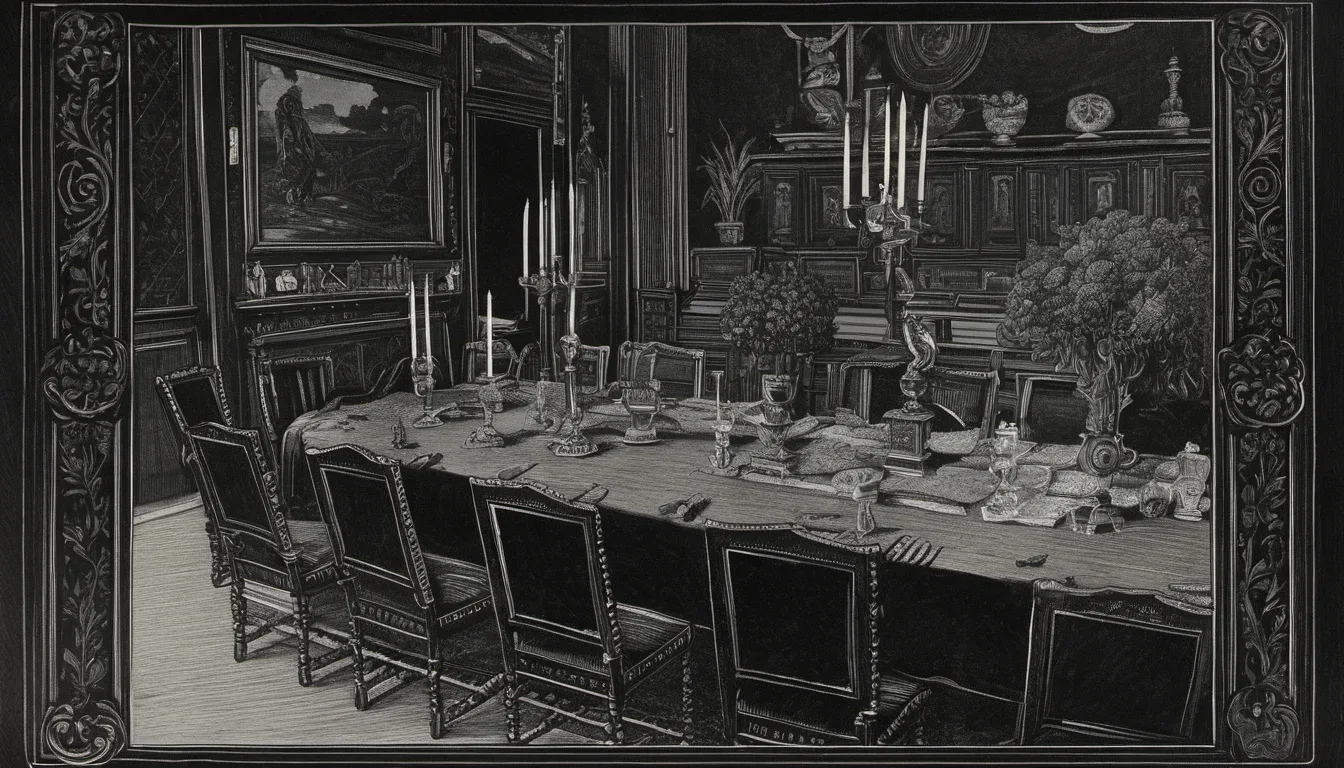
You can walk through preserved rooms and see how the wealthy lived at the turn of the century. It is a quiet, deliberate experience.
Stockholm spreads across fourteen islands where Lake Mälaren meets the Baltic. The old town, Gamla stan, lies on Riddarfjärden bay. The Hallwyl Museum stands in the modern city center, but its interiors transport you to a different era.
The house was built 1893–1898 to the design of Isak Gustaf Clason. Count Walther von Hallwyl needed an office; his wife Wilhelmina needed a home for her growing art collection. The couple lived there during the winters. The exterior is deliberately historical—borrowing elements from medieval fortresses and Renaissance Venice. Yet inside, the building was radically modern: electricity, central heating, telephones, and bathrooms were installed from the outset. An elevator was added later.
Wilhelmina von Hallwyl collected artworks during her worldwide journeys. Her ambition was to found a museum. In 1920, a decade before her death, she donated the house to the Swedish state. The condition was clear: everything must remain unchanged. The museum opened in 1938.
Today the Hallwyl Collection encompasses some 50,000 objects. They fill preserved rooms from the late Victorian period. You see the lifestyles of Stockholm's nobility at the turn of the century: furniture, paintings, porcelain, and personal effects exactly as they were left.
The museum is part of a government agency known as the Royal Armoury and Skokloster Castle with the Hallwyl Museum Foundation. It shares resources with two other historic institutions. But this museum feels distinctly intimate—a private home frozen in time.
Winter days in Stockholm are short and snowy. The museum offers a warm refuge. Summer brings long, mild evenings. The house faces Berzelii Park, a green pocket in the city. Step inside and you leave the 21st century behind.