Collegium Maius
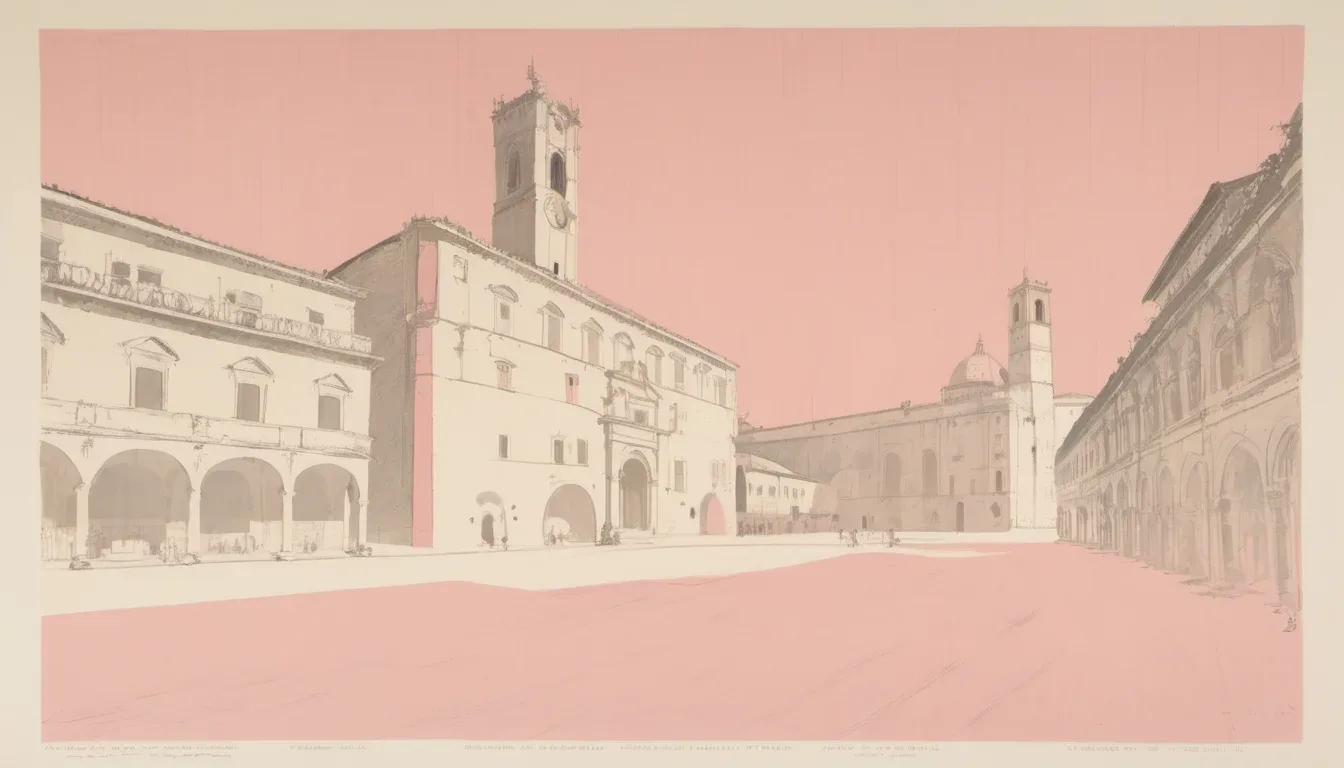
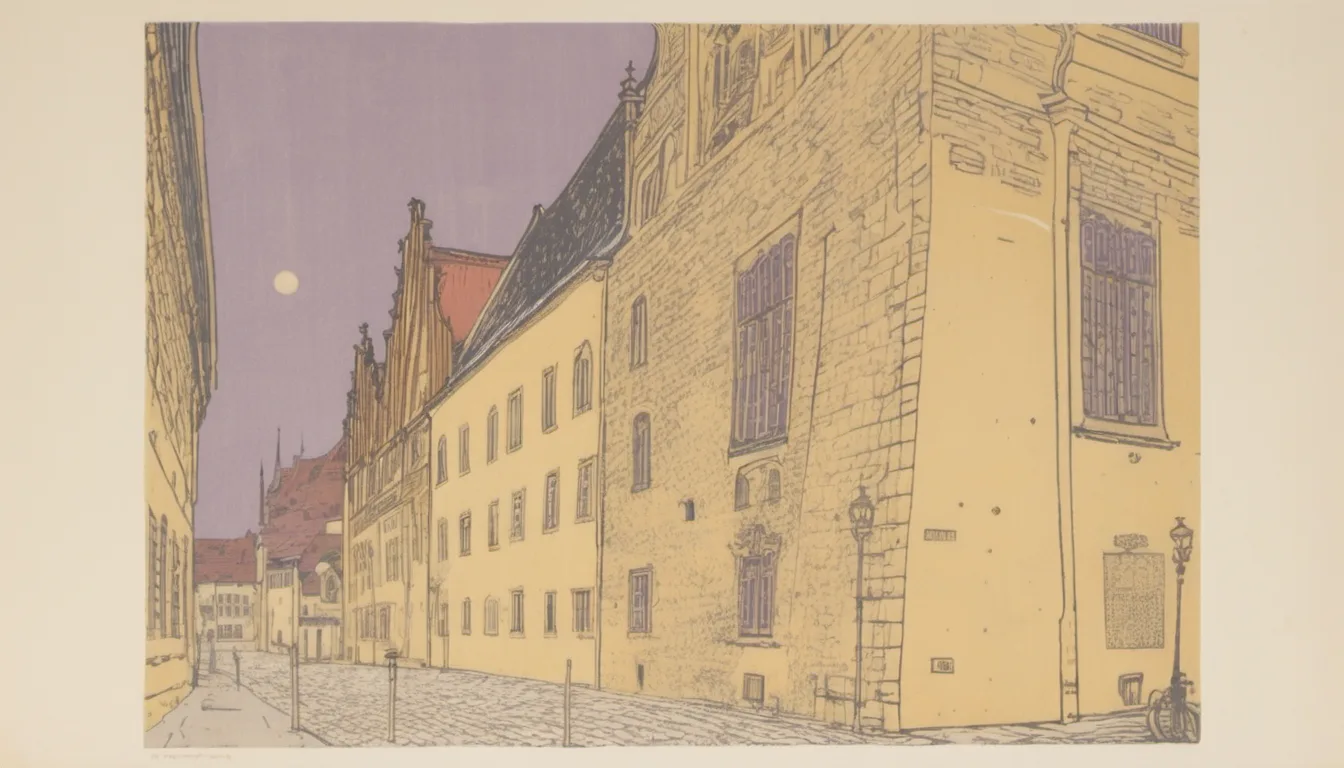
The oldest university building in Poland sits quietly at a corner near the Main Square. Collegium Maius has housed scholars since the 14th century, and within its late-Gothic walls, Nicolaus Copernicus once attended lectures. Today it is the Jagiellonian University Museum, restored after war to its pre-1840 appearance.
Step into the arcaded courtyard. A well from 1517 marks the center. Professors lived and worked upstairs; lectures filled the rooms below. The museum displays medieval instruments, the Jagiellonian globe, and rectors' Gothic maces. The treasury holds coins, medals, and globes. The library and professors' quarters are open to view.
The university itself was founded in 1364 by King Casimir III, making it one of Europe's oldest and the second longest-lived in Eastern Europe after Charles University. Its golden age came during the Polish Renaissance in the early 1500s. Meticulous restorations led by Prof. Karol Estreicher from 1949 to 1964 brought the building back to its original look from before 1840. The Collegium Maius remains a working part of the university, a place where history and learning continue side by side.
At the corner of Jagiellońska and Świętej Anny streets, a stone's throw from Kraków's main square, stands the Collegium Maius. It is the oldest building of the Jagiellonian University, dating to the 14th century. The then-36-year-old Krakow Academy moved into the building after King Władysław II Jagiełło purchased it with funds bequeathed by his late wife, Queen Jadwiga. The structure was rebuilt in the late 15th century as a late-Gothic ensemble around a spacious courtyard bordered by arcades.
In the center of that courtyard, a well was built in 1517. Professors lived and worked on the upper floors, while lectures were held on the ground level. Among the students who passed through its halls in the 1490s was Nicolaus Copernicus, the Renaissance astronomer who would later revolutionise European ideas about the cosmos. The building's design and function have been preserved with care.
Today the Collegium Maius houses the Jagiellonian University Museum, established on the initiative of Prof. Karol Estreicher. The museum underwent meticulous restorations from 1949 through 1964, returning the edifice to its original appearance from before 1840. The museum features lecture rooms, communal halls, professors’ quarters, a library, and a treasury containing rectors' Gothic maces and the Jagiellonian globe.
Exhibits also include medieval scientific instruments, globes, paintings, collectibles, furniture, coins and medals. The museum's directors have included Karol Estreicher (1951–1976), Stanisław Waltoś (1977–2011), and Krzysztof Stopka (since 2012). The collection paints a vivid picture of academic life in the Polish Renaissance.
The Jagiellonian University itself was founded in 1364 by King Casimir III as the Krakow Academy. It is one of the oldest universities in the world and the second longest-lived in Eastern Europe after Charles University. In the 19th century it was renamed to honour the Jagiellonian dynasty that ruled Poland from 1386 to 1572. The university reached its golden age during the Polish Renaissance between 1500 and 1535, a primacy not surpassed until the late 18th century.
The first rector was Piotr Wysz, and the first professors came from Czech, German and Polish backgrounds, many having graduated from the University of Prague. Jan Haller established a printing press in Kraków in 1500. From 1520, Greek philology was introduced. The university attracted students from Poland, Lithuania, Russia, Slovakia, Hungary, Bohemia, Germany and Spain.
A network of other buildings supports the university today, including the Piast and Żaczek dormitories. But the Collegium Maius remains the symbolic and historical heart. Its arcaded courtyard, the well, the quiet lecture rooms—these are spaces where the continuity of learning is palpable. The building is not a frozen monument; it is a living part of the university, still used for ceremonies and study.
To visit is to step into a layer of European intellectual history that is both specific and universal. The late-Gothic architecture, the globes and instruments, the sense of a place that nurtured Copernicus—all of this makes Collegium Maius a destination for those who prefer substance over spectacle. It is a museum, yes, but also a home of thought.