Sint-Janshospitaal (Memling Museum)
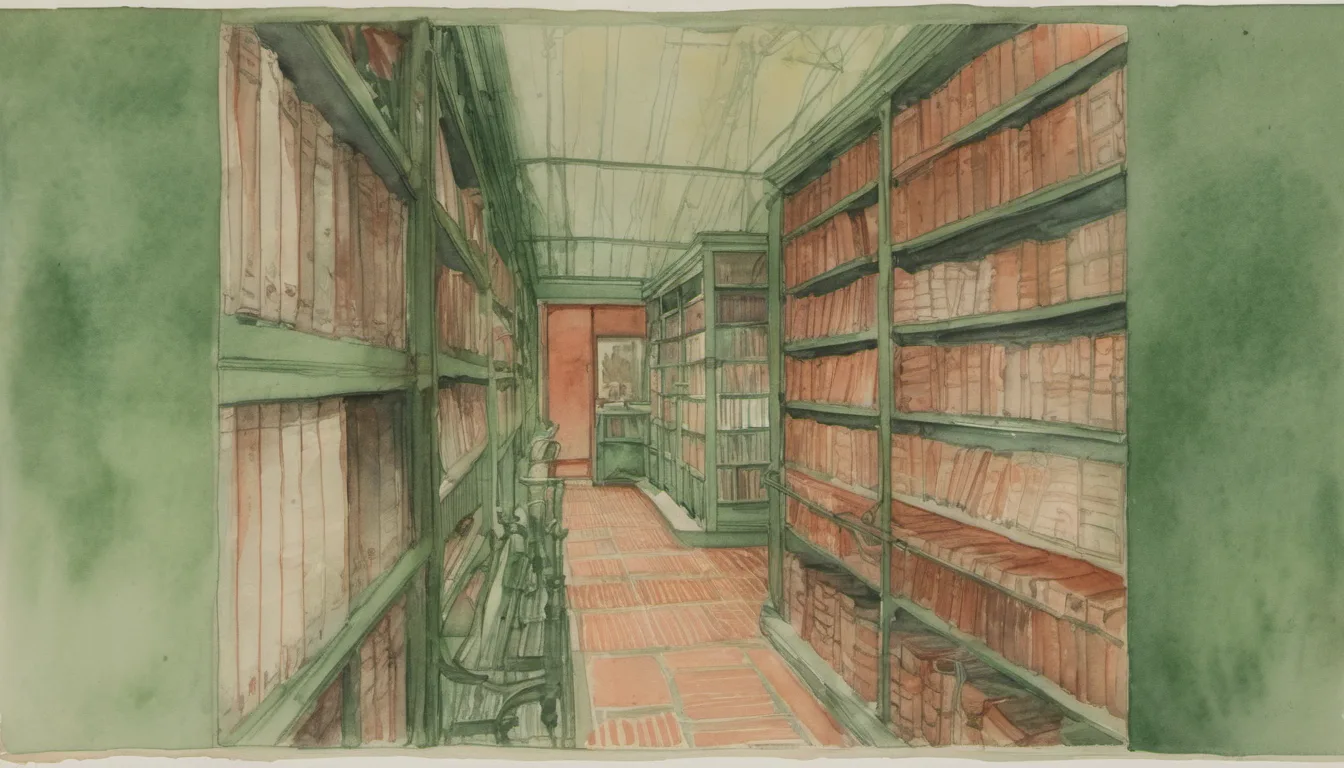
You step into a ward that has held the sick and weary since the 13th century. High ceilings and Tournai stone arches recall a time when this was a place of refuge for pilgrims and travellers. Now, it is a museum of both art and medicine.
The Hospital of St. John was founded in the mid-12th century, with the first written mention in 1188. The large sick ward was built around 1200, and a monastery was added around 1320. In the 17th century, the monastery became a pharmacy. The hospital continued to expand over the centuries, eventually comprising eight wards around a central building.
In the 1860s, the building was planned for demolition. Interest from the Gothic Revival movement, especially Englishmen in the city, preserved it. A new hospital was built alongside, and the old one ceased operations in 1977. The city of Bruges took over, and part of the complex became the Hans Memling Museum.
You can see Memling’s masterpieces, including the Triptych of the Mystic Marriage of St Catherine and the Reliquary of St Ursula, alongside hospital records and surgical instruments. The former pharmacy and the 15th-century church are also part of the visit.
The Hospital of St. John in Bruges is one of Europe’s oldest surviving hospital complexes. It was founded around 1150 along Mariastraat, the main road from Ghent and Kortrijk, just steps from the Church of Our Lady. The first documentary evidence dates to 1188, a regulation for the brother-servants who ran the institution.
The large sick ward was constructed around 1200, built primarily from Tournai stone. Its soaring arches and sturdy columns still define the space. A monastery was added around 1320, later transformed in the 17th century into a pharmacy. The hospital’s church was begun in the 15th century and incorporates a portal from 1270 with reliefs of the Death and Coronation of the Virgin and Christ as Judge. It was completed in the 16th century with a chapel dedicated to Saint Cornelius. In 1544 a convent was built for the nuns; from the late 16th century the hospital was run by Augustinian sisters, their abbess appointed by the city council.
During the 19th century, further construction resulted in eight wards arranged around a central building. Yet by the 1860s, the old hospital was slated for demolition. Proponents of the Gothic Revival, especially Englishmen living in Bruges, campaigned for its preservation. A new hospital was built next to the original, and the medieval structure survived.
The hospital continued to serve the sick until 1977, when its activities moved to a modern facility in Sint-Pieters. The city of Bruges took over the buildings. Part of the complex was converted into the Hans Memling Museum, named for the German-born Early Netherlandish painter who settled in Bruges in 1465. The museum gathers works Memling created specifically for the hospital, along with other related pieces.
Six major works anchor the collection: the Triptych of the Mystic Marriage of St Catherine (1474–79), still in the hospital chapel; the Reliquary of St Ursula (1489), a masterpiece of Flemish art that once held the saint’s bones; the Floreins Triptych (Adoration of the Magi, 1479); the Triptych of the Deposition (Adriaan Reins, 1480); the Diptych of Maarten Nieuwenhove (1487); and the Sibylla Sambetha, a presumed portrait of Maria Moreel (1480). The museum also displays hospital records, medical instruments, and other art.
The complex has other roles today. It serves as a venue for temporary exhibitions and as a congress centre. On 13 April 2020, the square within the hospital grounds was named after Eleonora Verbeke, an 18th-century nun who once served there.
As you walk through the old wards, you are moving through layers of care and devotion. The stone floors have worn smooth under centuries of feet. The paintings remain vivid, still speaking to the hope of healing and the beauty of craft.