Theatrum Anatomicum, Academiegebouw
A vault beneath the Academy building at Rapenburg became the first home of Leiden University's library on 31 October 1587. The collection began with a single gift: the Polyglot Bible, called the Biblia Regia, presented by William of Orange. That book, printed by Christoffel Plantijn, was the foundation—fundamentum locans futurae aliquando bibliothecae.
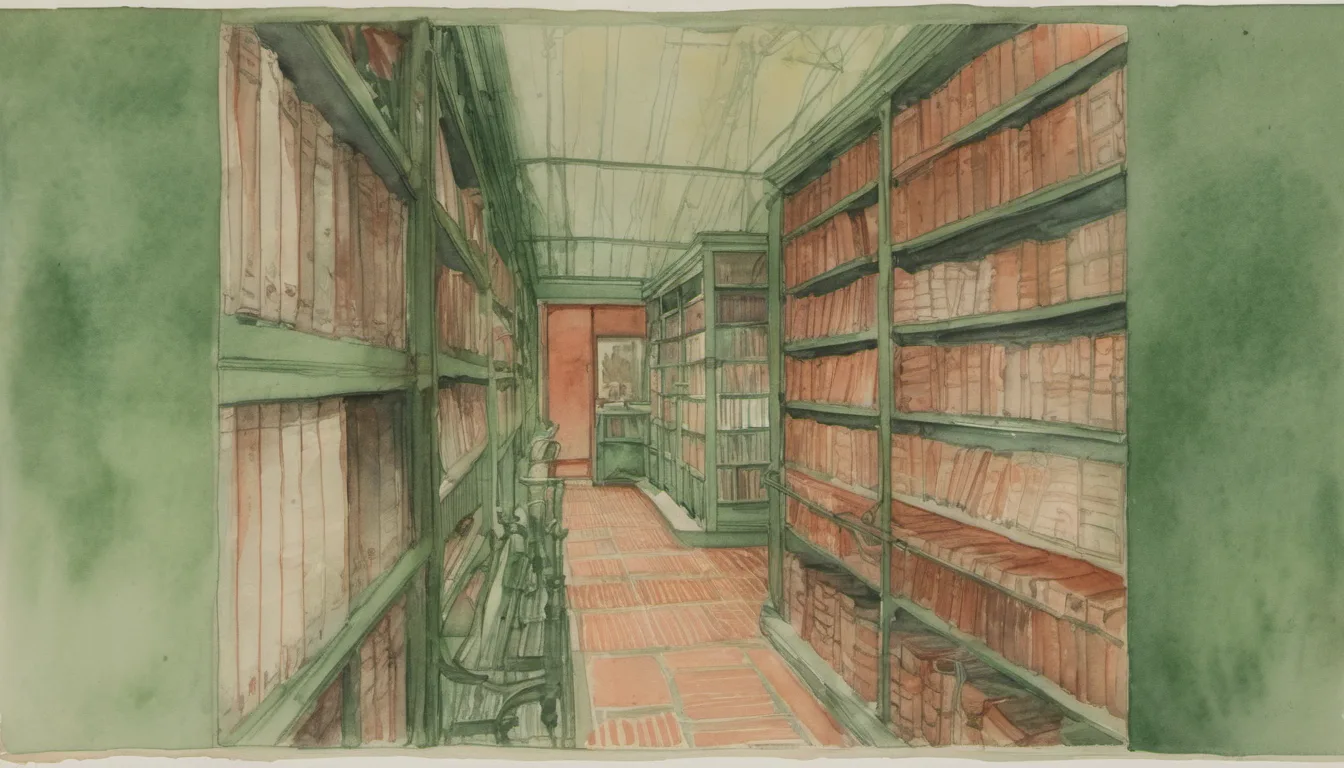
In 1595 the library moved to the upper floor of the Faliede Bagijnkerk, now Rapenburg 70, next to the Theatrum Anatomicum. That year the Nomenclator appeared: the first printed catalogue of an institutional library anywhere. You could browse the holdings, a radical idea in the 16th century.
Joseph Justus Scaliger, a professor of languages and history from 1593, noted the convenience: 'Here is the great convenience of a library so that those who want to study can study.' The words still echo in the quiet of the old building.
The library later expanded onto the Witte Singel in 1983, but the vault and the adjacent Theatrum Anatomicum remain the seed from which a collection of five million volumes grew. If you stand on Rapenburg today, you are standing at the beginning of a scholarly story.
A vault beneath the Academy building at Rapenburg. That is where Leiden University's library began on 31 October 1587. The university itself had been founded only twelve years earlier, with spoils from a confiscated monastery. The need for a library was immediate.
The first book was the Polyglot Bible, the Biblia Regia, printed by Christoffel Plantijn and gifted by William of Orange. It was the foundation—fundamentum locans futurae aliquando bibliothecae. This single volume, presented in 1575, set the tone for a collection that would eventually hold five million volumes, one million e-books, and three thousand cuneiform tablets.
In 1595 the library moved to the upper floor of the Faliede Bagijnkerk, now Rapenburg 70. It was a deliberate location: next to the Theatrum Anatomicum, the anatomy theatre. The two institutions—the library for the dead word, the theatre for the living body—sat side by side. The Nomenclator, likely the first printed catalogue of an institutional library, was published that year, making the collection accessible to scholars.
Joseph Justus Scaliger, the languages and history professor, wrote in Latin: 'Est hic magna commoditas bibliothecae ut studiosi possint studere.' Here is the great convenience of a library so that those who want to study can study. The quote is carved into the memory of the place.
For centuries the library grew. The catalogue system used bound cards called Leidse boekjes until 1988. An automation project, PICA, began in 1969 and was bought by OCLC in 2000. The first online catalogue arrived in 1988, the same year the library had moved to its present building on Witte Singel.
Today the library is a sprawling organisation with locations across Leiden and The Hague. It holds the largest collections on Indonesia and the Caribbean. The Asian Library, opened by Queen Máxima in 2017, houses 38 kilometres of materials. But the seed of all this was the vault at Rapenburg.
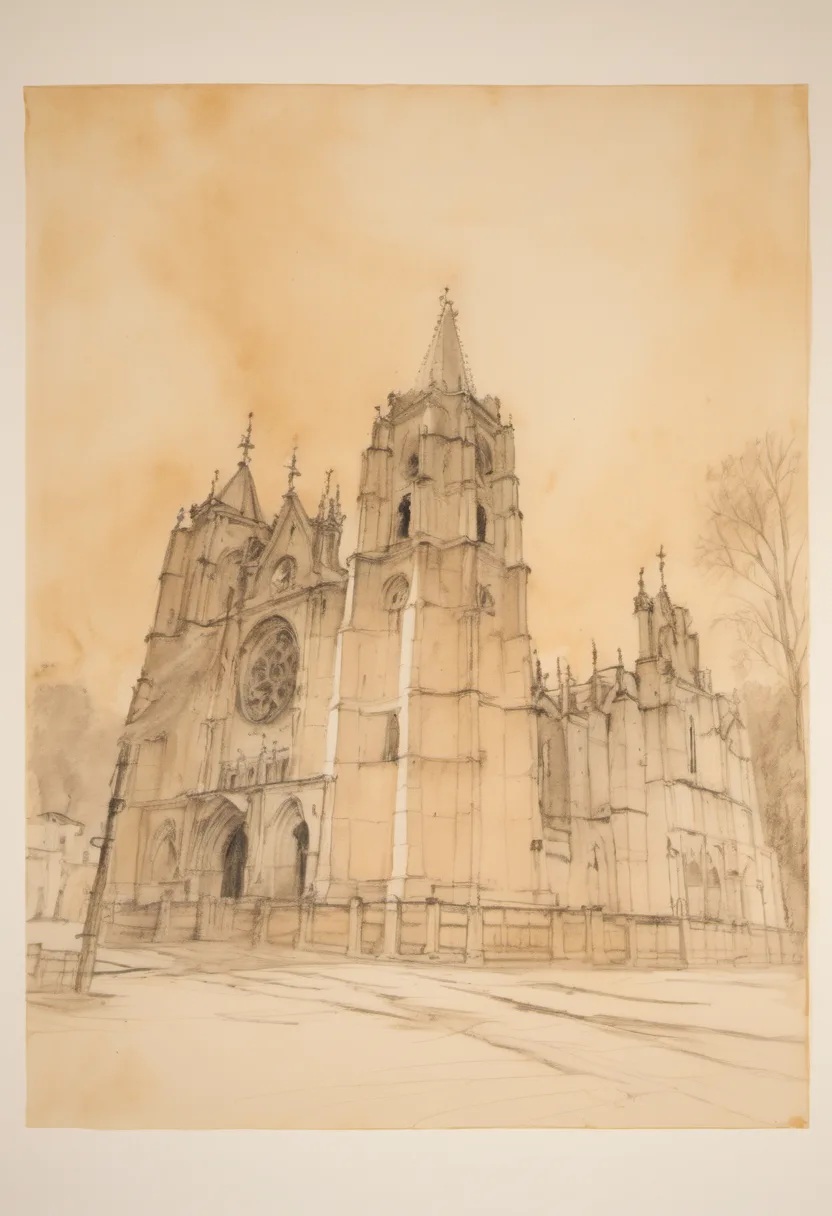
The Theatrum Anatomicum, adjacent to the early library, is a quieter presence. No records tell of its dissections or lectures, but its name alone speaks to the Renaissance spirit of inquiry that drove the university. The Academiegebouw still stands, a brick facade on the canal, and the vault is still there, beneath the feet of students and visitors.
If you walk along Rapenburg, you are walking through the intellectual history of the Netherlands. The library's first catalogue, the Polyglot Bible, Scaliger's words—they are all here, just under the surface. The Theatrum Anatomicum waits next door, a reminder that knowledge of the body and the book once shared a wall.