Lazzaretto di Ancona
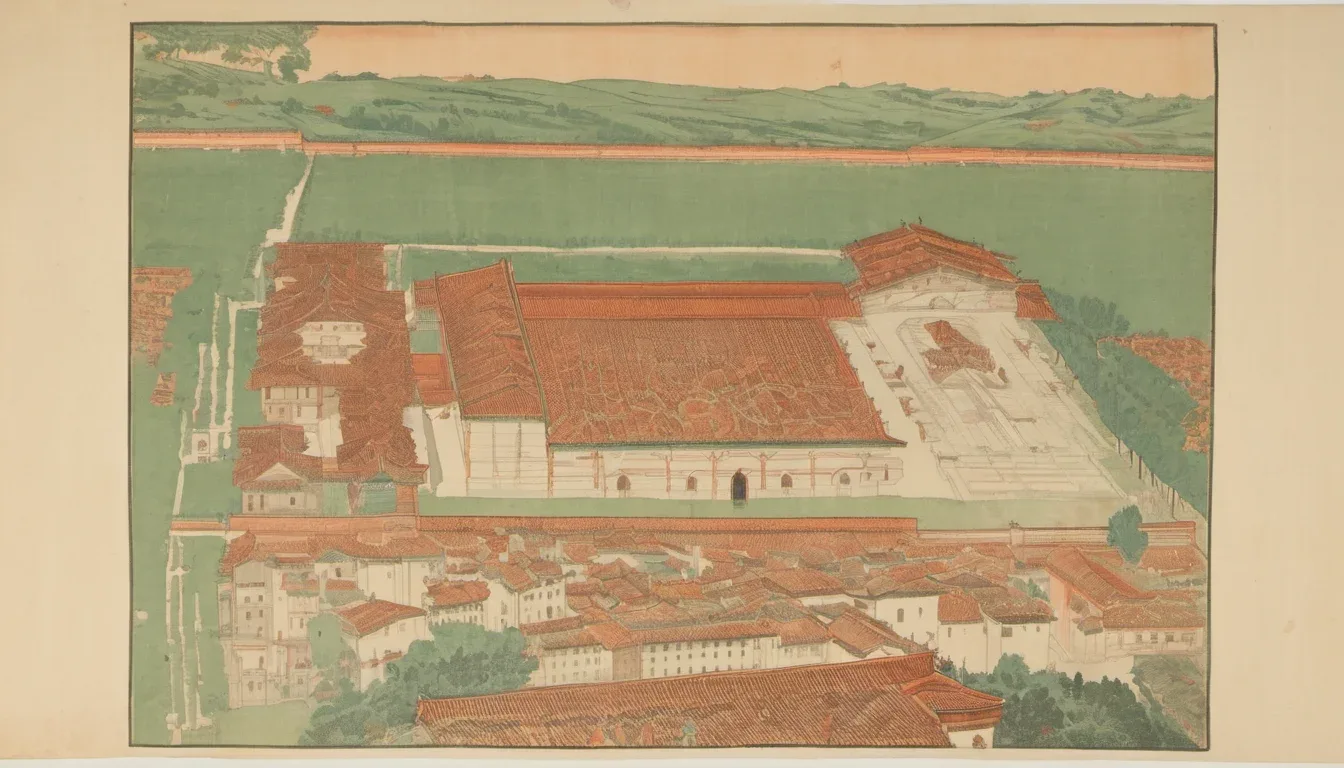
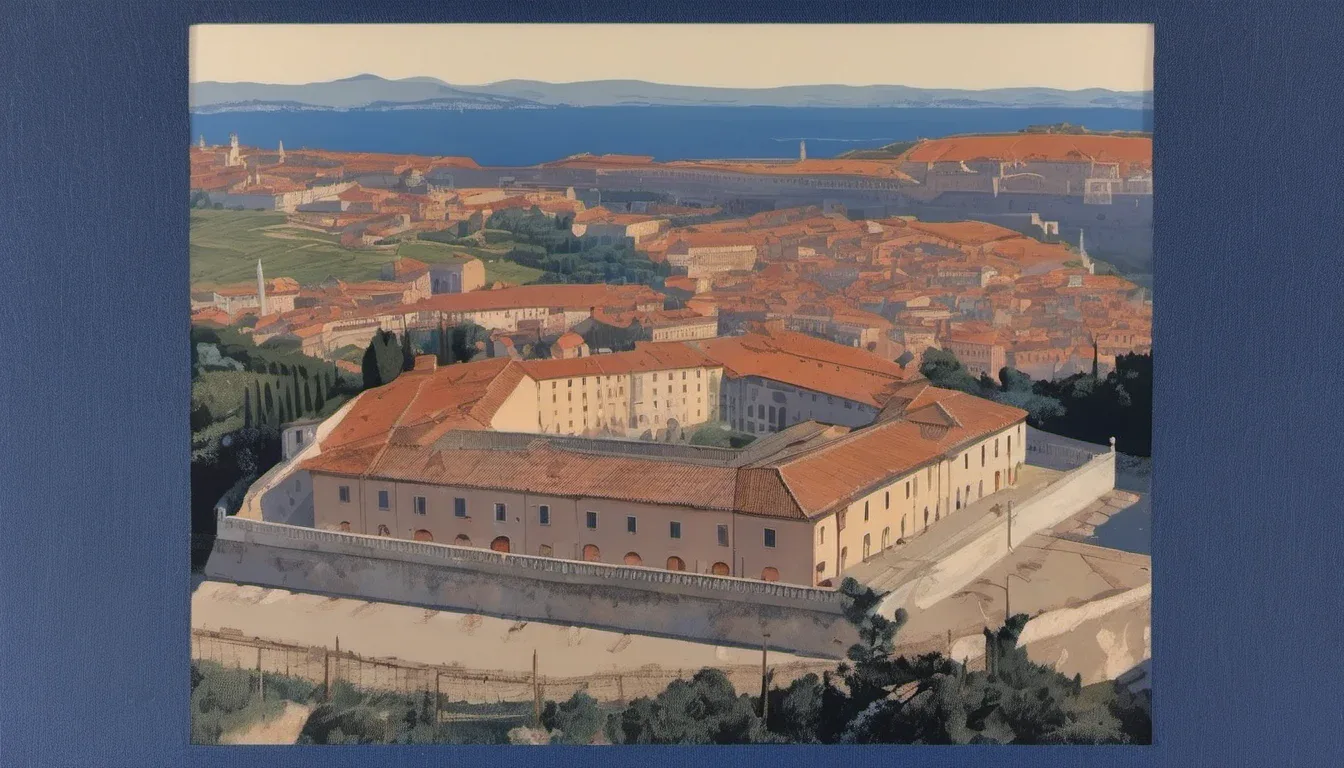
The Lazzaretto di Ancona sits on the southern quay of the city's elbow-shaped harbour. It was erected in 1733 by Pope Clement XII, with Luigi Vanvitelli as architect-in-chief. A low, purposeful building, it marks the edge of a port that has seen Greek colonists, Roman fleets, and medieval navies.
Before the Lazzaretto, this harbour was already ancient. Greek settlers from Syracuse founded Ancona around 387 BC, naming it for the bent arm of the promontory. They built a temple to Aphrodite on the Guasco hill, where the cathedral now stands. Later, the Romans enlarged the port under Trajan, erecting the triumphal arch that still greets arrivals.
The Lazzaretto belongs to a later era of papal control. After centuries as a maritime republic, Ancona fell under the Papal States in 1532. Pope Clement XII's quay extension and the Lazzaretto were part of a programme to fortify and modernise the harbour. The architect Vanvitelli gave it a clean, functional form.
From the quay, you can see both sunrise and sunset over the sea — a rare sight, made possible by the city's unique elbow shape. The Lazzaretto, the arch, and the water: three layers of history in one calm view.
The Lazzaretto di Ancona is not a monument that demands attention. It sits low on the southern quay, a stone building designed by Luigi Vanvitelli and built in 1733 under Pope Clement XII. Its purpose was practical — a lazaretto for quarantine and harbour management — but the source text does not confirm its specific function. What is certain: it marks a moment when the Papal States invested in Ancona's port.
That port has been central to the city's identity for over two millennia. The Greeks from Syracuse founded Ancona in about 387 BC, calling it Ankṓn — the elbow — for the curve of the promontory that shelters the harbour. They established a Tyrian purple dye factory and built temples on the heights. The city minted its own coins with the bent arm and the Dioscuri.
Under Rome, Ancona became a key naval station. Julius Caesar took it after crossing the Rubicon. The emperor Trajan enlarged the harbour, constructing the north quay with his architect Apollodorus of Damascus. In 115 AD, the Senate and Roman people erected the marble Arch of Trajan to honour the emperor who made 'the entrance to Italy safer'. The arch still stands, a single-arched gateway without bas-reliefs.
After the fall of Rome, Ancona weathered Gothic and Lombard attacks, then Saracen raids in 840. It became part of the Byzantine Exarchate of Ravenna and later the capital of the Marca di Ancona. By the 11th century, it was a self-governing maritime republic, often clashing with Venice. It never became a signoria, except for a brief Malatesta rule after the Black Death.
In 1532, Ancona lost its independence to the Papal States. Pope Clement VII built the massive Citadel as a symbol of control. The city's Jewish community lived in a ghetto established in 1556, and in 1569 Ancona became one of only three Papal cities where Jews were permitted to remain. The Greek community, refugees from Ottoman conquest, thrived here as merchants.
The Lazzaretto was part of a later papal effort to improve the harbour. In 1733, Pope Clement XII extended the quay and erected a lesser imitation of Trajan's arch alongside the new lazaretto. The southern quay was completed only in 1880. From 1797, when the French took the city, Ancona frequently appeared in history as a fortress.
World War I brought Austro-Hungarian bombardments. In World War II, the Polish 2nd Corps captured the city in July 1944, securing a port for the Allied advance. Queen Elizabeth II visited in 1961. Today, the Lazzaretto stands quietly at the quay's edge, less visited than the arch or the cathedral, but essential to understanding how this city holds its history.