Chilia Daniil Sihastrul
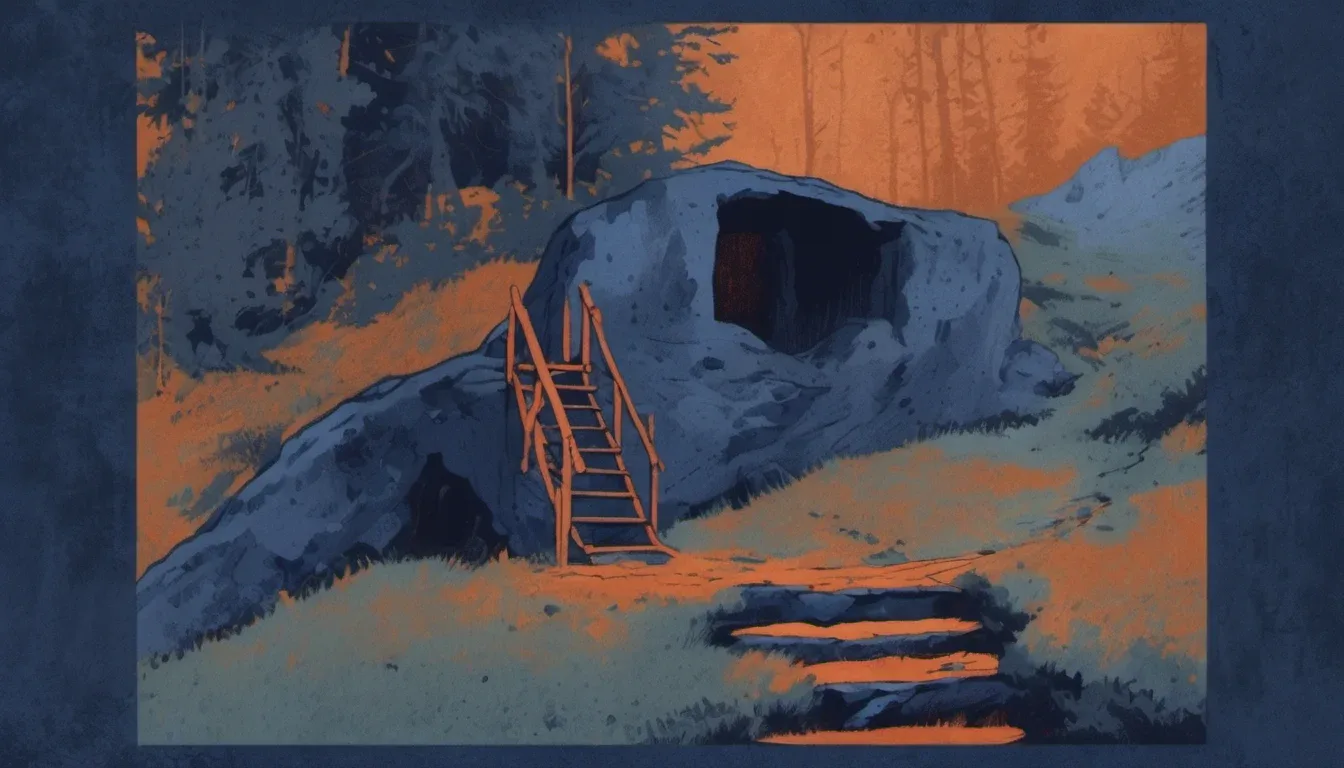
You stand in the dense forest near modern-day Putna. Before you is not a building raised by masons, but a space hollowed out of the earth itself. Daniil Sihastrul, born Dumitru near Rădăuți in the early 15th century, retreated here seeking greater solitude. He took the Great Schema, becoming Daniil, and carved this chapel into the rock.
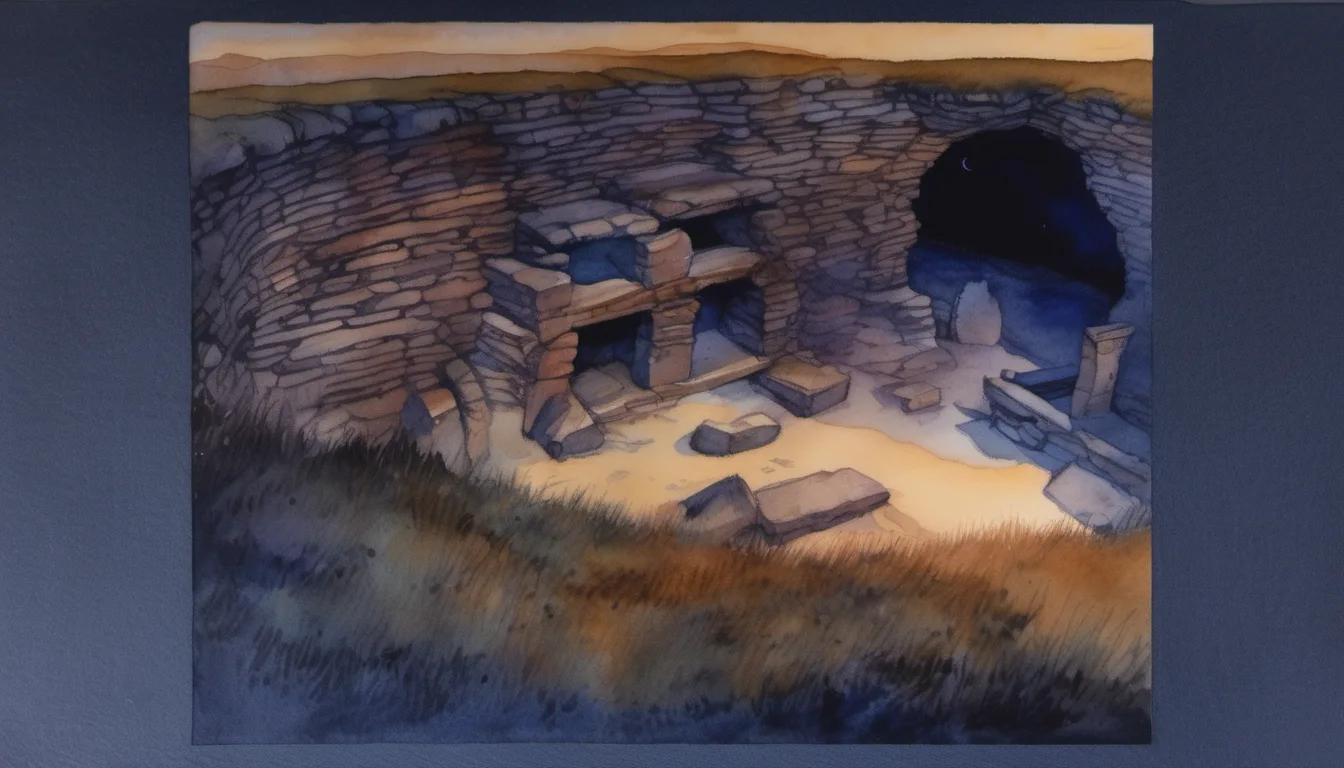
Look closely at the stone. You can see the narthex, the naos, and the altar, all chiseled from the living rock. Below, an underground room remains, where the saint dwelled in silence. This was not a temporary shelter but a permanent cell, a testament to his desire for isolation from the world.
The key figure is Stephen the Great. In 1451, after the assassination of his father Bogdan II at Reuseni, Stephen fled to this valley. He sought out Daniil, a monk living in this very cave. The meeting here was pivotal. Daniil prophesied that Stephen would return and become the ruler of Moldavia.
The prophecy held true. In 1457, Stephen returned to power. This encounter in the cave set the stage for their lifelong partnership. Daniil urged Stephen to fight for the defense of Christendom and to build holy places. The hermit’s influence extended far beyond these walls, igniting a movement of novices in the surrounding forests.
Daniil later moved to Voroneț Monastery, where he served as hegumen until his death in 1496. He was buried there, his tombstone inscribed by Stephen’s wish: 'This is the tomb of our father David, the schema-monk Daniil.' But his legacy began here, in the rock he carved with his own hands.
You are standing in the Vițău valley, near modern-day Putna. The air is thick with the scent of dense forest. Before you lies the Hermitage Cave of Daniil Sihastrul. It is not a structure built upon the ground, but a sanctuary carved directly into the rock. This is the physical manifestation of a man’s desire for solitude. Daniil, born Dumitru near Rădăuți in the early 15th century, retreated here after taking the Great Schema.
Examine the architecture of the cave. It is precise, functional, and austere. You can distinguish the narthex, the naos, and the altar, all hewn from the solid stone. These are the essential components of an Orthodox chapel, stripped of ornamentation. Below the main chamber, an underground room remains. This was Daniil’s dwelling, a subterranean cell where he lived in near-total isolation. The rock itself is the material, the tool, and the temple.
The story of this place is inextricably linked to Stephen the Great. In 1451, Stephen was a fugitive. His father, Bogdan II, had been assassinated at Reuseni. Stephen fled into the forests, seeking refuge and counsel. He found Daniil in this cave. The meeting was not merely a chance encounter but a defining moment in Moldavian history. Daniil, the hermit, looked at the young prince and saw more than a refugee.
Daniil prophesied that Stephen would return and become the ruler of Moldavia. This was not a vague blessing but a specific prediction. In 1457, Stephen returned to power, fulfilling the hermit’s words. This event cemented the bond between the ruler and the spiritual guide. Stephen did not just seek political advice; he sought divine sanction for his rule. The cave became a site of political and spiritual convergence.
Daniil Sihastrul was more than a prophet; he was a spiritual architect. He urged Stephen to fight for the defense of Christendom against the Ottoman threat. He encouraged the building of holy places, leading to the construction of Putna Monastery in 1466. The hermit’s influence extended beyond advice; he shaped the religious and military policy of the principality. His movement of novices in the forests around Voroneț created a network of spiritual resistance.
After the consecration of Putna in 1470, Daniil withdrew to Voroneț. He settled on the banks of the Voroneț River, by Șoimului Rock. There, he continued his monastic life, still visited by Stephen. After the Battle of Valea Albă in 1476, Stephen sought Daniil’s advice again. Daniil foresaw a triumph over the Turks. To commemorate this victory, Stephen commissioned Voroneț Monastery in 1488.
Daniil moved from his hermitage to the monastery, serving as hegumen until his death in 1496. He was buried in the church at Voroneț. His tombstone, carved according to Stephen’s wishes, reads: 'This is the tomb of our father David, the schema-monk Daniil.' The name David recalls his initial tonsure at Bogdana Monastery, while Daniil reflects his deeper spiritual commitment. The inscription honors both his humble beginnings and his exalted status.
The hermitage ignited a hermit movement in northern Moldova. Daniil had many novices in the forest surrounding Voroneț, as well as at other hermitages and monasteries. This was not a solitary act but the seed of a broader spiritual awakening. The forests of Moldavia became places of prayer, penance, and prophecy. Daniil’s legacy is not just in the rock he carved but in the community he inspired.
Daniil was considered a saint during his lifetime. He was credited with healing the sick, exorcising demons, and removing suffering. These miracles were not just legends but part of his daily reality. People came to him for help, drawn by his reputation for holiness. The Romanian Orthodox Church canonized him in 1992, commemorating him on December 18. His sanctity was recognized centuries after his death, but his influence was immediate and profound.
The cave remains a testament to the power of solitude. In a world of noise and conflict, Daniil chose silence and stone. He carved his faith into the earth, creating a space that endures. The rock does not decay like wood or stone built above ground. It is permanent, unyielding, and pure. You stand in the presence of a man who shaped a nation through prayer and prophecy.
There is an unsolved mystery in the details of his daily life in the cave. How did he survive in such isolation? What were the exact words of his prophecies? The sources do not provide every detail, leaving room for imagination. But the rock remains, a silent witness to the life of Daniil Sihastrul. It invites you to reflect on the power of faith, the weight of prophecy, and the enduring nature of the human spirit.