Atelierul de Ceramică Neagră, Marginea
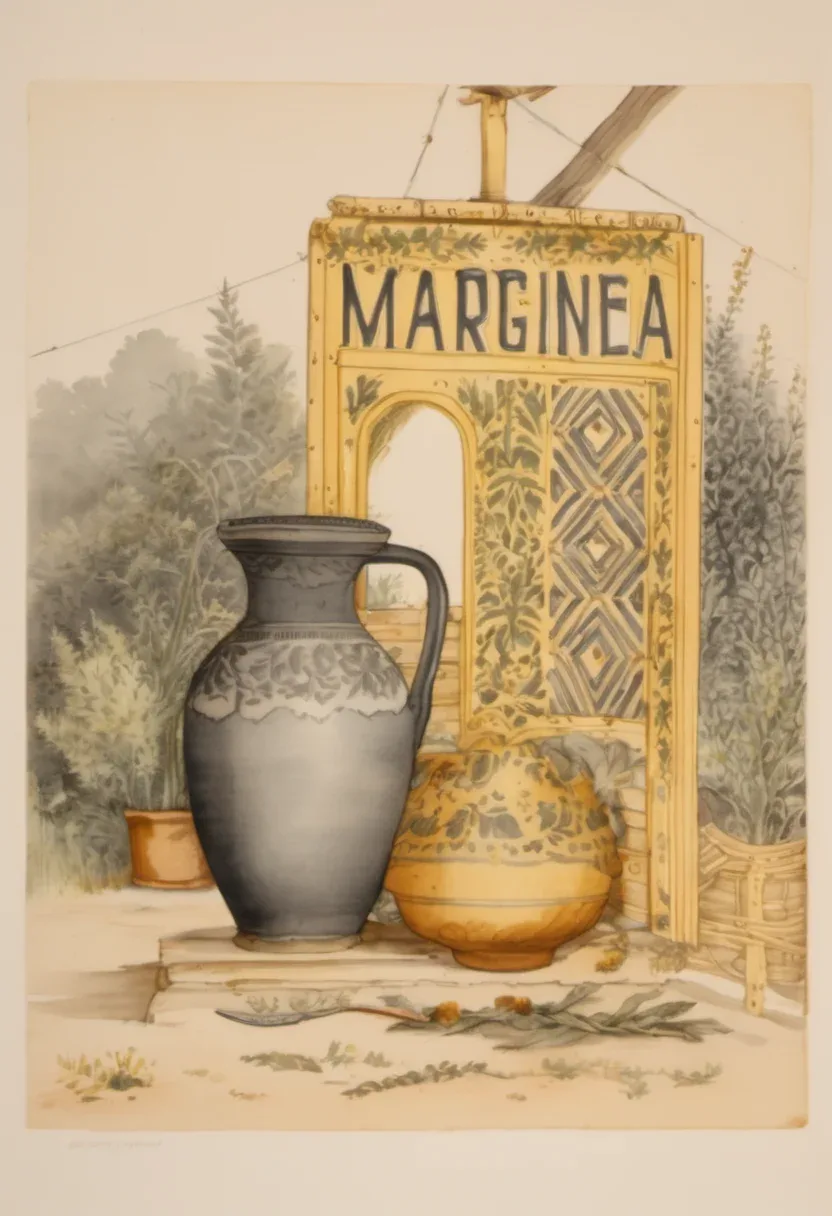
Look at the shelves before you. Rows of vessels stand in uniform darkness. They are not painted black; they are born of it. The clay itself holds the color, a deep, matte void that absorbs the light of the workshop. This is the hallmark of Marginea, a commune in Suceava County, northeastern Romania. It is a place defined by a single craft: the production of handcrafted black ceramics. You are standing in the center of this tradition.
The process is one of reduction. The potters here do not use glaze to achieve this finish. Instead, they rely on the chemistry of the kiln. The clay is shaped by hand, each curve and rim formed by the pressure of fingers on wet earth. Once fired, the vessels are subjected to a specific atmosphere that strips away oxygen. This chemical reaction turns the iron in the clay black. It is a precise alchemy, repeated for generations.
Marginea is not a large place. It is a commune consisting of a single village by the same name. Yet, its reputation extends far beyond its borders. It is known as a center for this specific type of production. The Italian sources note it as a 'noto centro' for these ceramics. The consistency of the output is striking. Every pot, every jar, shares the same somber elegance. It is a visual language unique to this corner of Bukovina.
Consider the hands that shape these forms. They are the hands of locals, working with a material that is native to the region. The clay comes from the earth of Marginea itself. It is a direct connection to the land. When you hold one of these vessels, you are holding the soil of the commune, transformed by fire and time. It is a tangible piece of the landscape, rendered in a color that defies the usual earth tones of pottery.
There is a quiet dignity to this work. It is not flashy. It does not seek attention with bright colors or intricate patterns. The beauty lies in the form and the finish. The black surface is smooth, almost velvety. It reflects the understated nature of the people who make them. In a world of mass production, this remains a handcrafted artifact. Each piece is unique, bearing the slight imperfections of human touch. It is a testament to the endurance of craft in a modern age.
Stand before the display of black ceramics. The first thing you notice is the absence of color. Not the absence of light, but the absence of hue. These vessels are a deep, uniform black. They do not shine like glazed porcelain. They absorb the light, creating a sense of depth and mystery. This is the defining characteristic of Marginea pottery. It is a craft that relies on the material itself, not on surface decoration. The black is intrinsic to the clay, achieved through a specific firing process that alters its chemical composition.
Marginea is a commune in Suceava County, in the historical region of Bukovina, northeastern Romania. It consists of a single village. Despite its small size, it has a significant cultural footprint. It is recognized as a center for the production of handcrafted black ceramics. This is not a recent phenomenon. The tradition is deeply rooted in the local identity. The village does not have a separate industrial district. The workshops are integrated into the fabric of the community. The craft is part of daily life.
The process begins with the clay. It is sourced from the local earth. The potters dig the clay from the soil of Marginea. This local material is essential to the final result. The clay contains specific minerals, particularly iron, which react to the firing conditions. The shaping is done by hand. There are no molds. Each vessel is formed on a wheel or by hand-building techniques. The potters have a deep knowledge of the material. They understand how the clay will behave under heat and pressure.
The firing process is the key to the black color. It is a reduction firing. In a standard oxidation firing, oxygen is present, and iron in the clay turns red or brown. In a reduction firing, the oxygen is limited. The kiln is sealed, and the flames consume the available oxygen. The clay then draws oxygen from the iron oxides within it. This reduces the iron to a metallic state, resulting in a black color. This is a traditional technique, passed down through generations. It requires skill and experience to control the atmosphere inside the kiln.
The vessels produced are functional as well as decorative. Jars, bowls, and pots are common forms. They are used for storage, for cooking, and for serving. The black color is not just aesthetic. It is a result of the method of production. The vessels are durable. The clay is hard and resistant. The lack of glaze means they are porous, which can be a feature for certain uses, such as keeping water cool. The potters in Marginea have mastered this technique. They produce a consistent quality that is recognized across Romania.
The commune has a population of approximately 9,941 inhabitants. This is a significant number for a rural area. The community is cohesive. The craft is a source of pride. It distinguishes Marginea from other villages in Bukovina. While other areas may have different traditions, Marginea is defined by its black pottery. This specialization has helped the village maintain its identity. It attracts visitors and scholars who are interested in traditional crafts. The workshops are a focal point of the community.
There is a political dimension to this cultural heritage. The commune has a local council that manages the affairs of the village. The current council was elected in the 2020 Romanian local elections. The political composition reflects the local dynamics. However, the craft transcends politics. It is a unifying element. The production of black ceramics is a shared activity. It involves families and individuals from all walks of life. The workshops are places of social interaction as well as production.
One notable native of Marginea is Orest Onofrei, born in 1957. He is a Romanian politician. His connection to the village highlights the broader significance of Marginea. It is not just a place of craft. It is a place that produces leaders. Onofrei’s career is a reminder that the skills developed in the village—discipline, craftsmanship, community engagement—can translate into other fields. The pottery is a metaphor for the character of the people. It is about shaping something enduring from raw material.
The black ceramics of Marginea are listed in cultural archives. The District Directorate for Culture maintains records of this tradition. This official recognition ensures that the craft is preserved. It is not just a folk activity. It is a recognized part of Romania’s cultural heritage. The archives contain information about the techniques, the history, and the practitioners. This documentation is important for future generations. It ensures that the knowledge is not lost.
Visitors to Marginea are often struck by the simplicity of the forms. The vessels are not ornate. They are elegant in their simplicity. The curves are smooth. The rims are even. The black surface is uniform. This simplicity is a result of the technique. The reduction firing requires a specific shape to ensure even heating. The potters have developed a repertoire of forms that work well with this process. The result is a distinctive style that is instantly recognizable.
The craft is a dialogue between the potter and the material. The clay dictates the form to some extent. The potter must work with the properties of the clay. This requires a deep understanding of the material. It is a skill that takes years to develop. The apprentices learn by doing. They watch the masters and then try it themselves. The knowledge is transmitted through practice, not just through words. This oral and practical tradition is a key part of the culture of Marginea.