Mocănița Moldovița
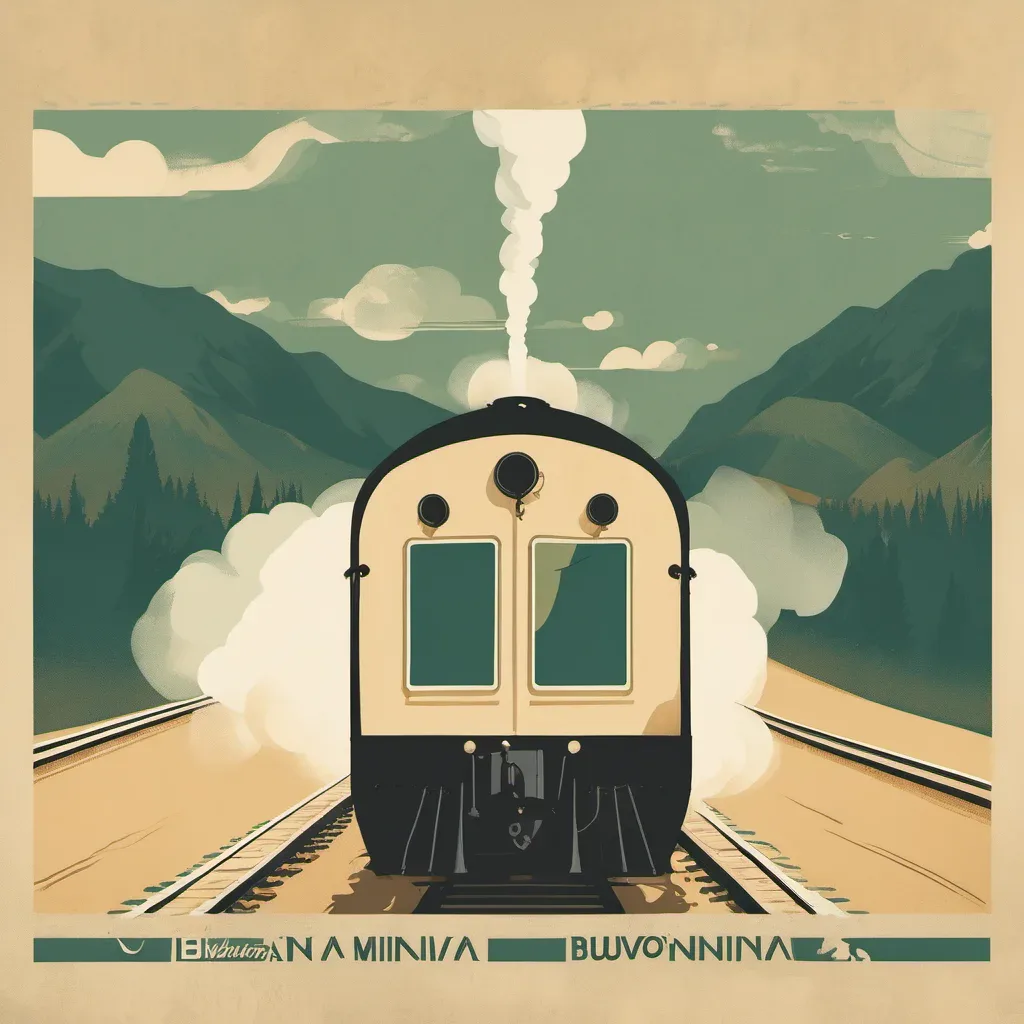
You stand on the platform in the Moldovița commune. The air is thick with the scent of wet coal and pine. Before you sits the engine, a compact beast of iron and steam. It is a narrow-gauge machine, built during the Austrian times. The tracks are tight, designed for the twisting paths that cut through the rugged terrain of Suceava County. You look at the wheels, smaller than those of standard trains, gripping the rails with precision. The steam hisses, a sharp sound against the quiet of the surrounding forest. This is not a tourist attraction in the modern sense. It is a working line, a remnant of an empire that no longer exists. The train waits for you to board, to travel through the landscape that defines this part of Romania.
The network was constructed when this region was part of the Duchy of Bukovina. The Austrians built it to exploit the resources of the mountains. Lumber is the predominant industry here, producing the greatest land mass of forests in Romania. The train was the artery that carried this timber out of the deep woods. It connected the isolated rural parts of the county to the wider world. You can see the scars of this industry in the landscape. The tracks follow the natural contours of the land, avoiding steep climbs. They wind through the Rodna Mountains, the Rarău Mountains, and the Giumalău Mountains. The engineering is modest but effective. It speaks of a time when progress was measured in steam and steel, not speed.
Suceava County is the second largest in Romania by area. It covers 8,553 square kilometres. Two-thirds of this territory lies in southern Bukovina. The rest is Western Moldavia. The train traverses this diverse geography. It moves from the high elevations of the Carpathians down towards the Siret River valley. The lowest height in the county is found there. The rivers Moldova, Suceava, and Bistrița cross the county. The train often runs parallel to these waterways. You hear the rush of the water as you pass. The landscape changes from dense forest to open valleys. The train is a constant in this shifting scenery. It is a thread that stitches the county together.
The people of this region have a complex history. In the early 20th century, Suceava County was ethnically heterogeneous. Germans, Jews, Ukrainians, Poles, and Hungarians lived here. The train carried them all. Today, the population is mostly Romanian. The minorities have dwindled. The Jewish community, once significant, was devastated by the Holocaust. In 1941, thousands were deported to Transnistria. Only a few remained. The train continued to run, indifferent to the political changes. It is a silent witness to the shifts in population and power. You ride on the same tracks that once carried a more diverse crowd. The silence of the present is a contrast to the bustling past.
The train is part of the county's tourism appeal. Suceava was designated a European destination of excellence in 2018. The main attractions include the painted monasteries and the medieval fortifications. The Mocănița adds a different dimension. It is a journey through time. You see the remnants of the Austrian infrastructure. You feel the rhythm of the steam engine. It is a slow, deliberate pace. You have time to look at the details. The rust on the rails, the moss on the trees. The train is a link to the past, a way to experience the landscape as it was. It is a unique experience, one that cannot be replicated by a car or a bus. You are part of the history, moving through it.
The economy of Suceava County is rooted in these resources. Lumber remains key, but food, mechanical components, and construction materials are also important. The train once served these industries directly. Now, it serves tourism. The county has the most commercial spaces per inhabitant in Romania. Supermarkets like Metro and Carrefour are present. Yet, the train offers a different kind of commerce. It sells an experience. It connects the rural communes to the cities. It is a bridge between the old and the new. The contrast is stark. The steam engine is a relic, while the supermarkets are modern. Both coexist in this landscape.
The geography of the county is defined by the Eastern Carpathians. The Rodna, Rarău, and Giumalău mountains are high. The Ridges of Bukovina are lower. The elevation decreases towards the east. The Siret River valley is the lowest point. The train navigates this topography with ease. It climbs and descends, following the natural lines. You feel the gradient in the carriage. The engine strains on the ups, glides on the downs. The views are dramatic. You see the peaks, the valleys, the rivers. The train is a vantage point. It allows you to appreciate the scale of the landscape. It is a moving observation deck.
The history of the region is marked by change. The Austro-Hungarian era left a legacy. The train is one part of it. The painted monasteries are another. Voroneț, Putna, Moldovița, Sucevița, Bogdana, Humor, Arbore, Probota, and Dragomirna are all in the county. They are UNESCO sites. The train passes near some of them. It is a way to reach these spiritual centers. The monasteries are built of stone, painted with frescoes. They are a testament to the Orthodox faith. The train is a secular counterpart. It is a machine, not a place of worship. Yet, both are part of the cultural fabric.
The demographic shift is profound. In 2011, the population was 634,810. Romanians made up 96.14%. Romani were 1.92%. Ukrainians were 0.92%. The rest were smaller groups. In the early 20th century, the mix was different. Germans, Jews, Poles, and Hungarians were significant. The train carried them. The Holocaust changed everything. In 1941, 5,942 Jews were deported from Suceava County. Most survived, but the community was shattered. The train continued. It is a symbol of continuity. It outlasted the empires, the wars, the deportations. It remains, a constant in a changing world.
The train is a narrow-gauge network. It is called the Mocăniță. It is a term of endearment, a little train. It is charming, but also functional. It serves the rural population. It is a lifeline for some. For others, it is a novelty. The tracks are old, but well-maintained. The engines are steam, but also diesel. The steam engines are the stars. They are preserved for tourism. They are a link to the past. You can smell the coal, hear the whistle. It is an immersive experience. The train is a time machine. It takes you back to the Austrian era. You feel the history in the rhythm of the wheels.
The future of the train is uncertain. Tourism is growing. The county is investing in infrastructure. Projects worth 1 billion EUR are planned. The train may be part of this. It is a unique asset. It cannot be replicated. It is a piece of living history. You are lucky to see it. It is a rare sight. The steam engine is a thing of beauty. It is a masterpiece of engineering. It is a symbol of a bygone era. You ride it, and you are part of the story. The train is more than transport. It is a narrative. It tells the story of Suceava County. It is a story of mountains, forests, people, and change. You are the audience.