Mănăstirea Moldovița
Stop here to read the walls. They are not merely decoration; they are a fortress of faith. You stand before Moldovița Monastery, built in 1532 by Petru Rareș. He was the illegitimate son of Stephen the Great, a ruler who fought 36 battles against the Ottoman Empire and won 34. Petru continued this legacy, not just with swords, but with stone. He founded this monastery as a protective barrier against Muslim Ottoman conquerors from the East. It is a church designed to withstand siege.
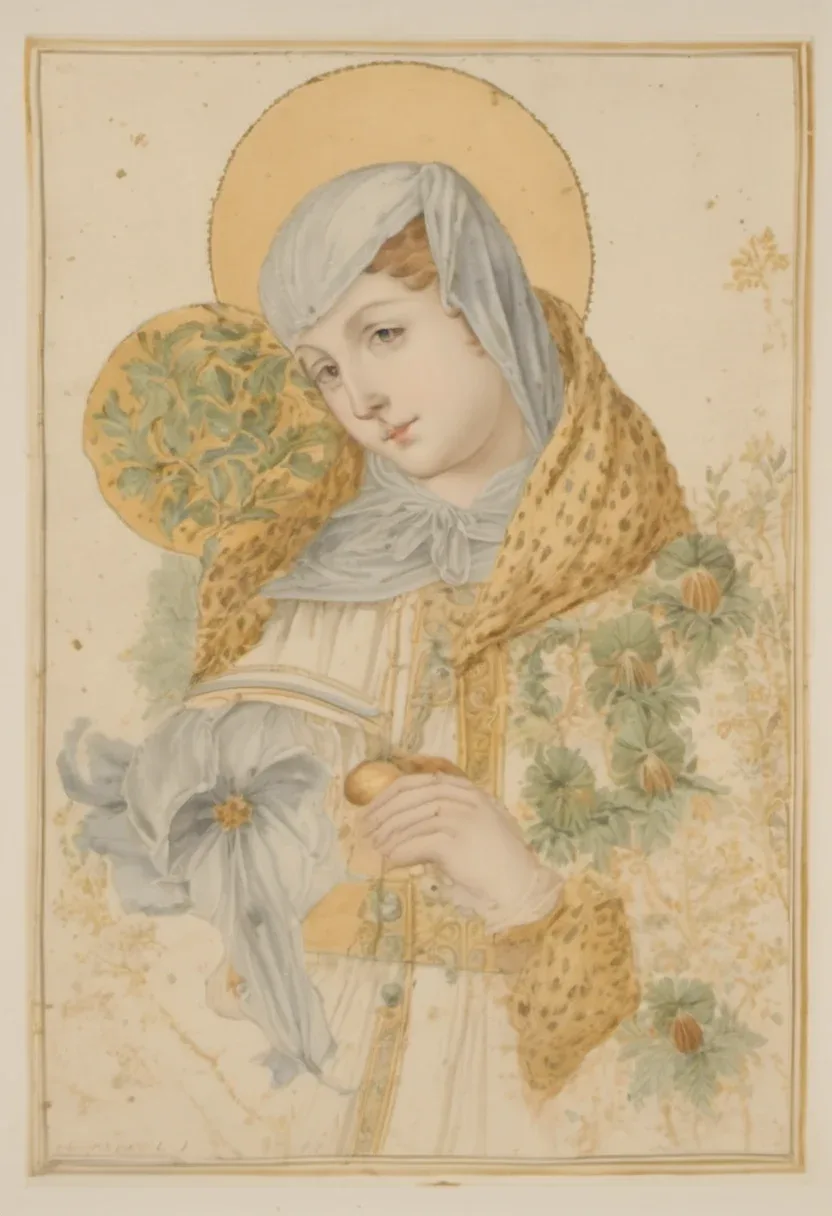
Look up at the exterior. The frescoes were painted in 1537 by Toma of Suceava. They are filled with yellow accents, a deliberate choice that makes the figures pop against the stone. Sister Maika, who has lived here for over 50 years, calls them 'the holy scriptures in color.' You are looking at a visual catechism. The predominantly yellow-and-blue paintings represent recurring themes in Christian Orthodox art. They are vibrant, preserved, and defiant.
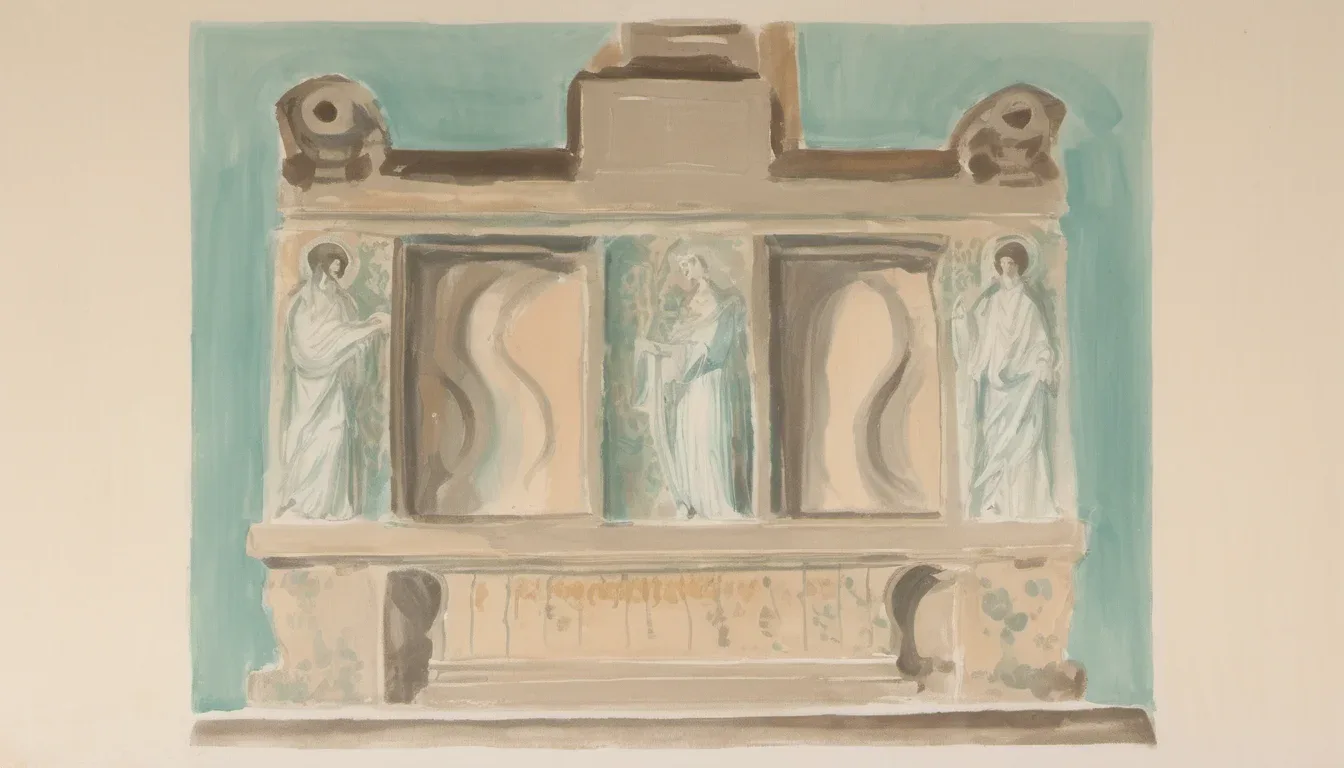
Trace the ancestry of Christ on the wall. The 'Tree of Jesse' springs from a recumbent Jesse at the foot of the wall. It marshals the ancestry of Christ around the Holy Family. Above the narrow east window, a procession of saints leads up to the Virgin enthroned with the Child in her lap. This is not random decoration. It is a theological argument painted in ochre and blue, asserting the divine right and lineage of the faith you are standing within.
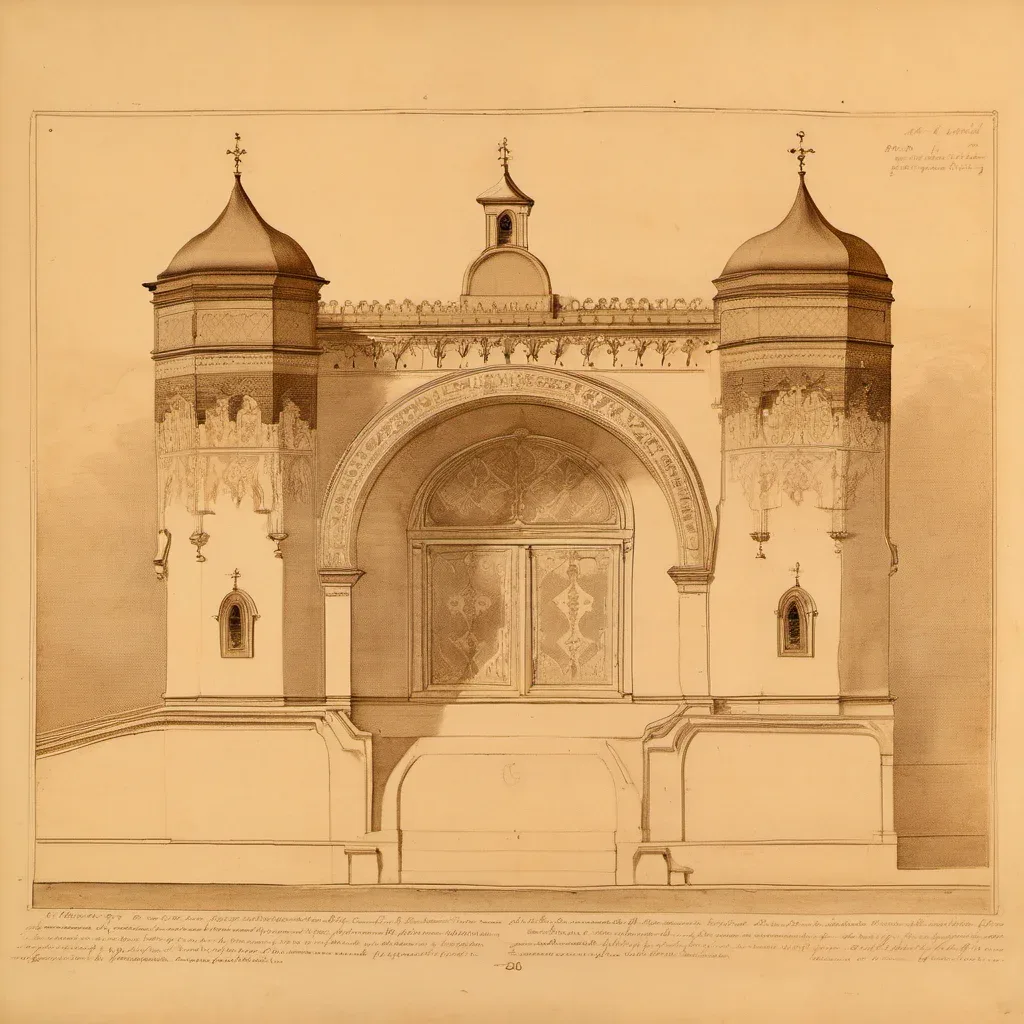
Turn to the west wall. 'The Last Judgment' covers the entire surface. You see a river of fire and the depiction of the sea giving up its dead to judgment. It is a stark reminder of mortality for any visitor, friend or foe. Moldovița and Humor are the last churches built with this specific layout: an open porch, a hidden place above the burial-vault, and Gothic-style windows and doors. The architecture itself is a relic of a vanishing style.
There is a confusion in the art. The 'Siege of Constantinople' commemorates the intervention of the Virgin saving the city from Persian attack in A.D. 626. Yet, the siege depicted is rather the Fall of Constantinople in 1453. This anachronism is a killer fact. It suggests the artist, or the patron, conflated two pivotal moments of Eastern Christian history. It is a layer of meaning that scholars still debate, embedded in the plaster for five centuries.
You stand in the commune of Vatra Moldoviței, in Suceava County, Moldavia. The air here feels older, heavier. Before you rises Moldovița Monastery, a structure that defies the simple categorization of a place of worship. It is a fortress. It was built in 1532 by Petru Rareș, a man whose life was defined by illegitimacy and ambition. He was the son of Stephen III of Moldavia, known as Stephen the Great. Stephen ruled from 1457 until his death in 1504, a period marked by relentless warfare. He fought 36 battles against the Ottoman Empire, winning 34. His piety was as sharp as his sword; he built churches after many victories, turning military triumphs into spiritual monuments.
Petru Rareș inherited this complex legacy. He ruled Moldavia from 1527 to 1538 and again from 1541 to 1546. His reign was turbulent, marked by the need to secure his position against both external threats and internal rivals. He promoted a new vision for Bukovina churches. This was not merely aesthetic; it was political. By commissioning artists to cover the interiors and exteriors with elaborate frescoes, he created a visible assertion of Orthodox identity. The monastery was founded as a protective barrier against the Muslim Ottoman conquerors from the East. The walls were thick, the location strategic. Faith and defense were inseparable.
The artistic execution is where Moldovița truly distinguishes itself. The frescoes were painted by Toma of Suceava in 1537. Five years after construction, the walls were transformed. Toma’s work is filled with yellow accents, a color choice that gives the monastery its distinctive warmth. The paintings are well preserved, a testament to the quality of the pigments and the shelter of the architecture. Sister Maika, a nun who has lived in the monastery for more than 50 years, describes them as 'the holy scriptures in color.' For the illiterate majority of the population in the 16th century, these walls were the primary text. They taught doctrine through image.
Examine the exterior walls closely. The predominantly yellow-and-blue paintings represent recurring themes in Christian Orthodox art. A procession of saints leads up to the Virgin enthroned with the Child in her lap, positioned above the narrow east window. This hierarchy is visual theology. The saints are not merely decorative; they are intercessors, lining the path to the divine. The color palette is specific. The blue is deep, the yellow bright. It creates a visual rhythm that guides the eye upward, from the earthly to the heavenly. This is not background noise; it is the main event.
Look down to the foot of the wall. The 'Tree of Jesse' springs from a recumbent Jesse. This biblical figure, the father of King David, is depicted lying down, with branches growing from his body to marshal the ancestry of Christ around the Holy Family. It is a complex genealogical chart rendered in art. It connects the Old Testament to the New, asserting the continuity of salvation history. For Petru Rareș, this imagery reinforced his own legitimacy. By aligning his patronage with the divine lineage, he bolstered his claim to the throne in the eyes of God and his subjects.
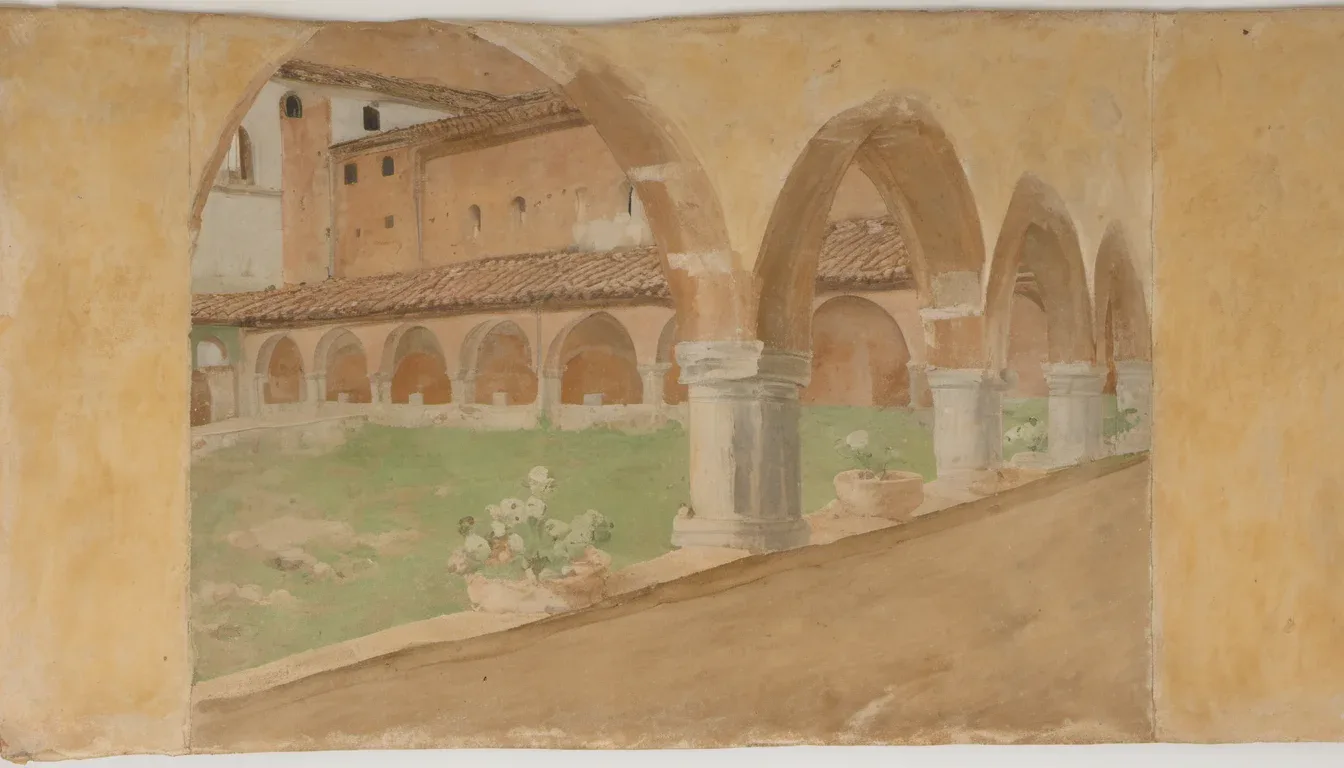
The architecture retains Gothic influences that are rare in this region. Tall arches open the porch to the outside and daylight. Moldovița and Humor are the last churches built with an open porch, a hidden place above the burial-vault, and with Gothic-style windows and doors. This specific combination of features marks a transition in architectural style. The open porch serves as a transitional space, a buffer between the secular world and the sacred interior. The hidden place above the burial-vault suggests a concern for security, perhaps for relics or valuables, or for the monks themselves during attacks.
Turn to the west wall. 'The Last Judgment' covers the entire surface. It is a dramatic, terrifying scene. You see a river of fire and the depiction of the sea giving up its dead to judgment. This is the ultimate accountability. For a ruler like Petru Rareș, who navigated the treacherous politics of the Ottoman Empire, the final judgment was a constant presence. The scale of the fresco ensures that no one enters or leaves without confronting mortality. It is a psychological weapon as much as a religious statement.
There is a fascinating anomaly in the iconography. The 'Siege of Constantinople' is depicted on the walls. Traditionally, this commemorates the intervention of the Virgin in saving the city of Constantinople from Persian attack in A.D. 626. However, the siege depicted is rather the Fall of Constantinople in 1453. This is a significant historical conflation. The fall of 1453 was a traumatic event for the Orthodox world, marking the end of the Byzantine Empire. By depicting this later, more devastating event under the guise of the earlier victory, the artist may have been expressing a complex grief or a hope for divine intervention that history did not fulfill. It is a layer of meaning that adds depth to the visual narrative.
Moldovița is part of a larger group. It is one of eight monasteries in Northern Moldavia with frescoes painted on the outer walls. The others are Sucevița, Voroneț, Humor, Suceava, Pătrăuți, Arbore, and Probota. These eight monasteries were placed on the UNESCO World Heritage list in 1993 as the Painted churches of Moldavia. This recognition highlights their collective importance. They represent a unique cultural landscape, a cluster of spiritual fortresses that defined the region's identity. Moldovița stands out for its specific color palette and its architectural hybridity.
The monastery has endured. It was depicted on a Romanian postage stamp in 1968, a sign of its national significance. Today, it remains a place of active worship and contemplation. The presence of Sister Maika and her community ensures that the 'holy scriptures in color' are not just preserved but lived. The yellow and blue frescoes still speak to visitors, bridging the gap between the 16th century and the present. They remind you of the resilience of faith in the face of conquest.
As you leave, consider the silence. The Gothic windows frame the landscape, connecting the interior sanctity with the exterior world. The hidden vaults remain secret. The walls hold their stories. Moldovița is not just a building; it is a document. It records the fears, hopes, and artistic ambitions of a people under pressure. It is a place where history is painted in stone and pigment, waiting for you to read it.