Palazzo Schifanoia (Salone dei Mesi)
"Schifanoia" is said to derive from schifare la noia — to escape boredom — and the palace earns the name. It began in 1385 as a single-storey retreat for Alberto V d'Este: no wings, just an urban front and a garden front, built purely for suppers and diversion. It was Ferrara's version of a Roman villa suburbana, predating the genre's supposed Renaissance debut, Rome's Belvedere, built decades later for Pope Nicholas V.
The palace's real ambitions begin with Borso d'Este. In 1452 Emperor Frederick III made him Duke of Modena and Reggio Emilia; what he wanted next was Ferrara itself, a ducal title only the Pope could grant, expected in 1471 from Paul II. The architect Pietro Benvenuto degli Ordini added a ducal apartment upstairs, with a salone grand enough to receive ambassadors — a counterpart to the old Palazzo della Ragione, Ferrara's seat of government, later destroyed in the Second World War.
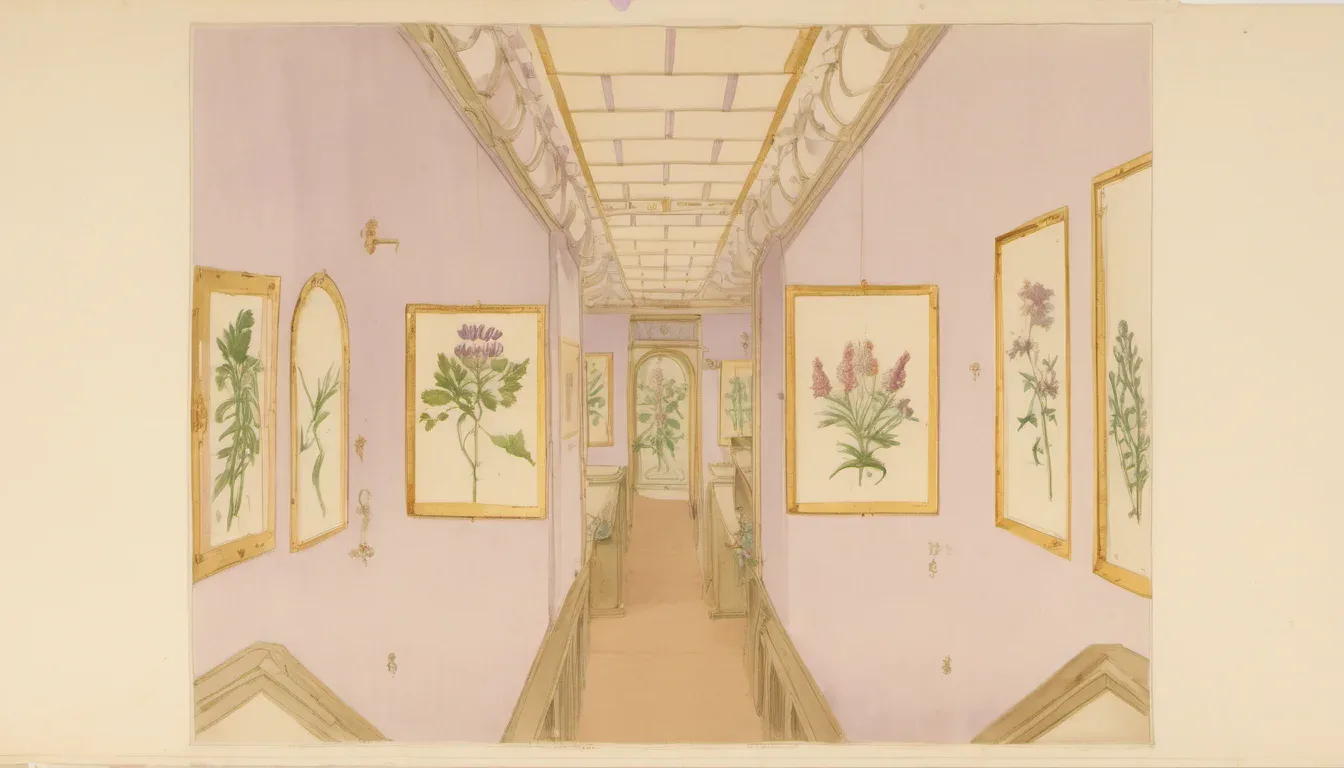
That salone is the Salone dei Mesi, the Hall of Months, and its frescoes, painted around 1469-70, are why people still come. Cosmè Tura supplied cartoons for the larger figures: a pagan cycle in which Olympian gods ride fanciful chariots through the months, each drawn by the beast proper to its deity, paired with the zodiac sign it governs. Below them, astrological figures designed by Francesco del Cossa and Ercole de' Roberti frame vignettes of the Ferrarese court under Borso's benevolent eye. The scheme is thought to have come from the duke's inner circle — perhaps the court astrologer Pellegrino Prisciani — with details drawn from Boccaccio's Genealogia deorum.
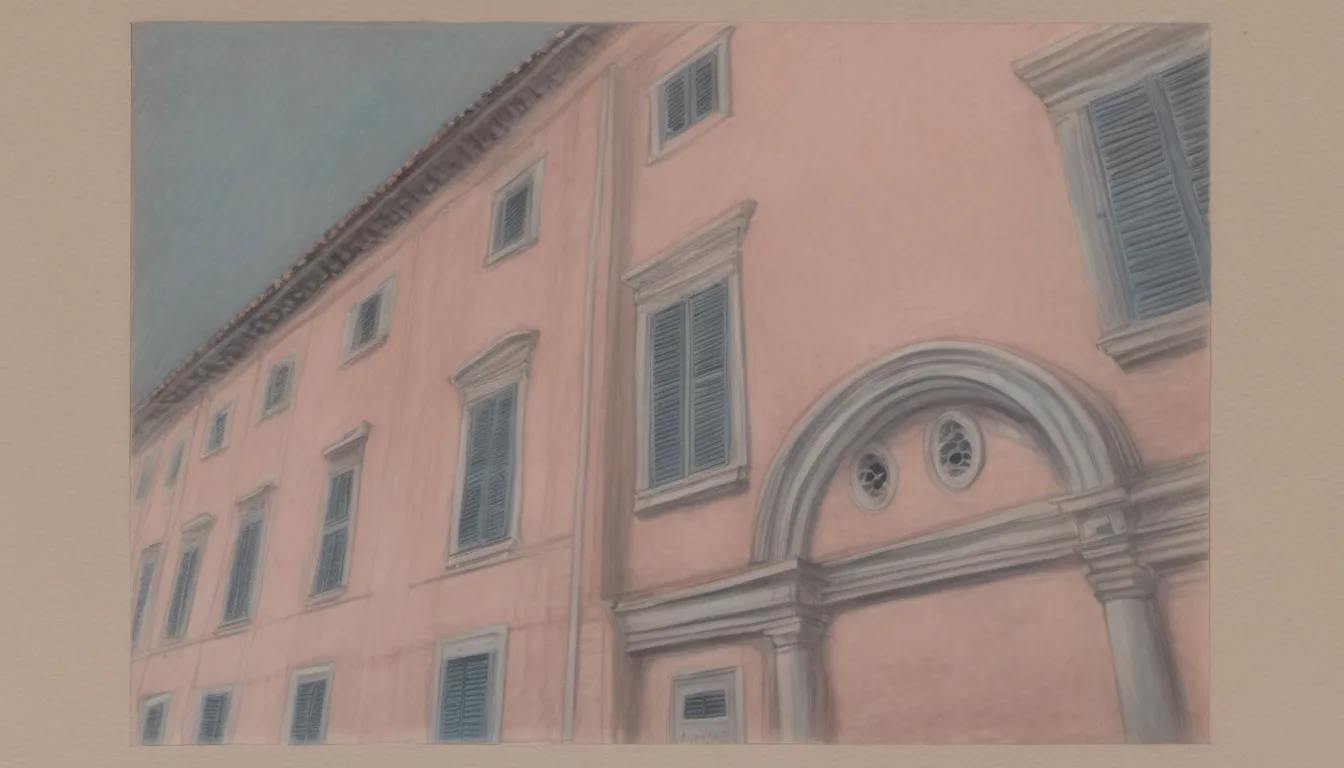
Outside, it's a story of loss and dispute. The façade once wore a cornice of feigned battlements and stuccoed imitation marble in bright colors, all gone now, leaving a duller public face than Borso intended. The white marble entrance survives, its tinting weathered away; historians still disagree whether it was designed by the painter Francesco del Cossa or the architect Biagio Rossetti. Above it, an Este coat of arms and a unicorn — ducal benevolence made heraldic. Rossetti returned in 1493 to add the terracotta cornice, by which point he was also extending the palace for Ercole I d'Este.
The Este left Ferrara in 1598, and decline followed fast: the palace passed down through heirs, eventually to the Tassoni family, its frescoes whitewashed over. It later served, under Habsburg garrison, as a tobacco warehouse. By the time the comune of Ferrara took possession after the First World War, only seven of the original twelve months could still be read on the walls. What survives now sits inside the Musei Civici d'Arte Antica di Ferrara, alongside a numismatic collection and Quattrocento medals cast by Pisanello — a quieter afterlife for a hall built to broadcast a duke's fitness to rule.
"Schifanoia" is said to come from schifare la noia — to escape boredom — and for once, an etymology fits its subject exactly. The palace began, in 1385, as a single-storey retreat built for Alberto V d'Este: no wings, just an urban front facing the street and a garden front facing pleasure, a banqueting house meant purely for suppers and diversion. It was Ferrara's version of a Roman villa suburbana, and a genuinely early one — it predates Rome's own first Renaissance pleasure villa, the Belvedere built for Pope Nicholas V, by decades. It also sat within a wider network of Este delight-houses scattered across the countryside: Belriguardo at Voghiera, Verginese at Portomaggiore, the castle at Mesola, a villa at Sabbioncello San Vittore, Benvignante at Argenta. Only Schifanoia's decoration survives to explain what all that pleasure looked like on a wall.
The palace's transformation into something more political came with Borso d'Este. He was Niccolò III's illegitimate son, and had governed Ferrara since 1450, when he succeeded his brother. By 1452 Emperor Frederick III had made the arrangement official, at least partially, naming him Duke of Modena and Reggio Emilia. What Borso wanted, and had wanted since taking power, was full legitimacy over Ferrara itself — a title only the Pope could confer. That investiture was expected from Paul II in early 1471, and it gave the Salone dei Mesi frescoes their real purpose: not decoration, but argument. The cycle's subtext is the right ordering of mankind and nature under a good duke, Borso himself, guarantor of peace and prosperity.
To make the argument properly, the palace needed a proper stage. Borso commissioned the architect Pietro Benvenuto degli Ordini to build a ducal apartment on an upper level, anchored by a hall grand enough to receive ambassadors and delegations — a counterpart, in effect, to the Palazzo della Ragione, Ferrara's seat of government, which would later be destroyed in the Second World War.
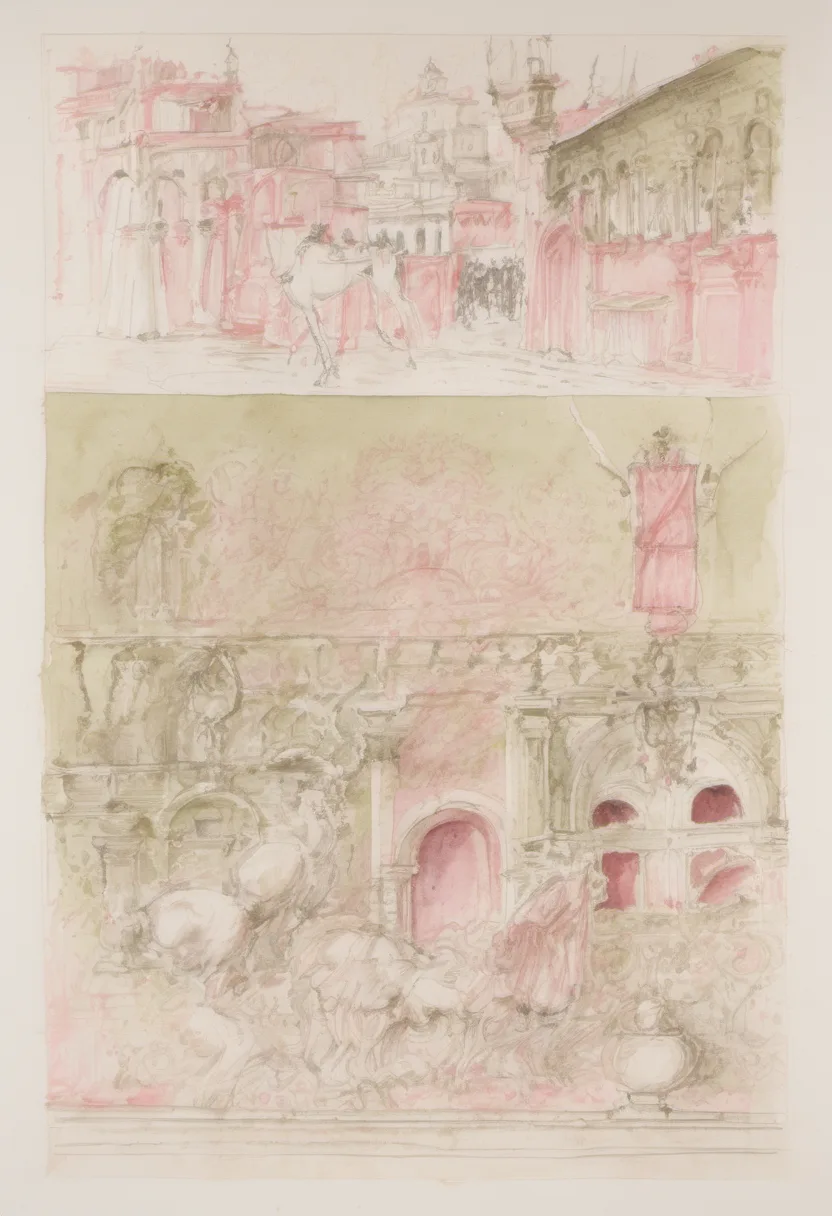
The frescoes themselves were painted at remarkable speed, in 1468-70, by what the critic Roberto Longhi later called the "officina ferrarese" — a large workshop of artisans of the Este household working under pressure, presumably to be ready in time for the hoped-for papal ceremony. Cosmè Tura supplied the cartoons for the larger figures; the astrological figures were designed by Francesco del Cossa and Ercole de' Roberti. The result is a purely pagan cycle of the months: Olympian gods preside over each month from fanciful chariots drawn by the beast proper to their myth, flanked by the personified constellations of the zodiac.
Beneath the gods, in a lower register, the frescoes drop into documentary mode — vignettes of the labors of the year and the daily activities of the Ferrarese court, all conducted under Borso's watchful, benevolent gaze. On the south wall, the months of January and February may have depicted the investiture ceremony itself, anticipating an event that hadn't yet happened; both are now lost, so the claim can't be checked against the wall itself.
Who actually devised this elaborate scheme is not fully settled. It's thought to have come from Borso's immediate circle — possibly the court astrologer Pellegrino Prisciani — drawing in part on Boccaccio's Genealogia deorum for its mythological detail. Whoever assembled it, the cycle became genuinely important to later scholarship: Aby Warburg used it in a 1912 lecture, "Italian Art and International Astrology in the Palazzo Schifanoia, Ferrara," to show how visual motifs migrate between cultures across centuries.
Next door, in the Sala delle Virtù, the sculptor Domenico di Paris painted stucco reliefs in a frieze of putti and symbols of the Cardinal and Theological Virtues, set beneath a painted, compartmented ceiling — a quieter companion piece to the Salone's political theatre. The palace later found a devoted patron in Marfisa d'Este, who made frequent use of it.
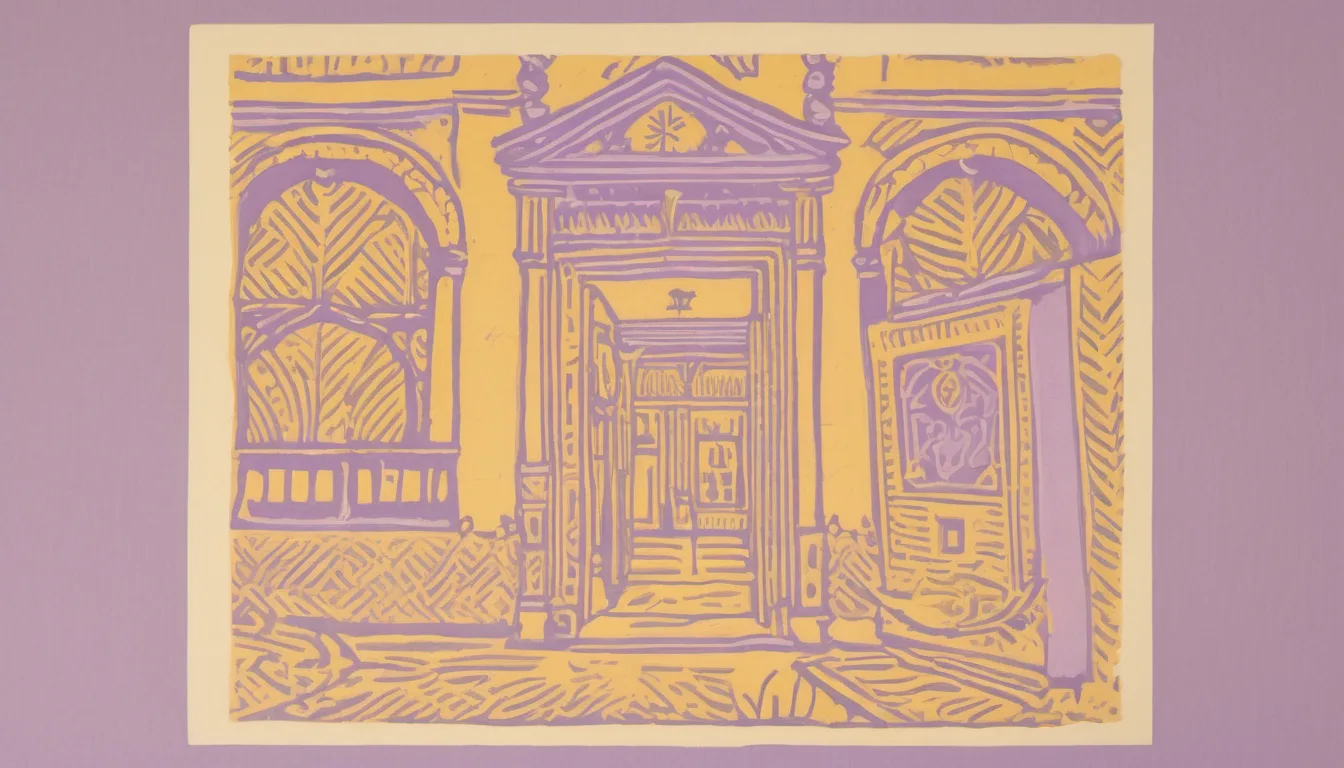
Outside, the building undersells itself. Its façade once carried a cornice of feigned battlements and smooth stucco worked into colorful imitation-marble geometric patterns — all of it lost, leaving Schifanoia a duller public face than Borso intended. The white marble entrance door survives, though its original tinting has weathered off, and historians still disagree over whether it was designed by the painter Francesco del Cossa or the architect Biagio Rossetti. Above the door, flanked by pilasters, sit the Este coat of arms and a unicorn, a symbol of ducal benevolence and patronage. Rossetti returned in 1493 to add a terracotta cornice, around the same time Ercole I d'Este commissioned him to extend the palace further.
The Salone dei Mesi once opened directly onto the gardens, reached by a monumental stair descending from a summer loggia. Both stair and loggia were demolished in the 18th century, severing the hall from the outdoor pleasure-grounds it was originally built to serve.
The Este left Ferrara in 1598, and the palace's decline followed quickly. It passed down through a series of heirs, eventually to the Tassoni family, and its frescoes were whitewashed over. Later, under Papal States administration with a Habsburg garrison stationed in the city, it was repurposed as a tobacco warehouse and manufactory. By the time the comune of Ferrara took possession after the First World War, only seven of the original twelve frescoed months remained legible. Today the palace is part of the Musei Civici d'Arte Antica di Ferrara, its 14th- and 15th-century rooms holding collections of antiquities, a numismatic collection, and medals cast by Pisanello and other Quattrocento artists commemorating the Este family — a modest museum footnote to a hall that was once built to argue for a dukedom.