Mănăstirea Putna
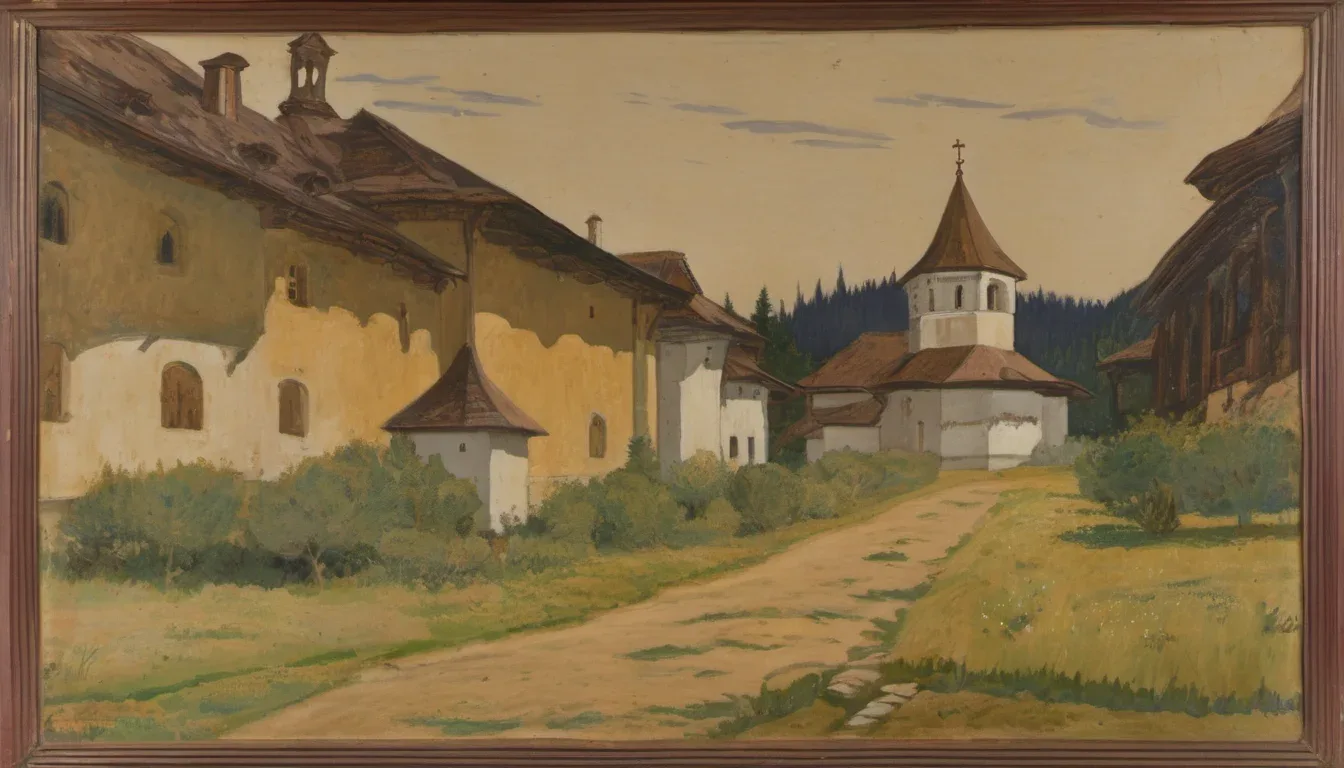
Look up at the stone facade. You are standing before Putna Monastery, one of the most significant cultural and religious centers established in medieval Moldavia. The air here is thick with history, anchored by the figure of Stephen the Great. He founded this edifice on the lands perambulated by the Putna river, which rises in the Obcina Mare mountains of Bukovina. This is not just a church; it is a monument to survival and faith.
Stephen began work here on July 10, 1466, immediately after winning the battle to conquer the Kilia citadel. He built it as a means to give thanks to God, dedicating the church to the Virgin Mary. Legend says he founded a religious edifice after each important military victory. Putna was one of dozens of churches and monasteries he influenced across Moldavia, a stone map of his reign. The site was consecrated on September 3, 1470, by Metropolitan Teoctist, attended by Stephen and all his family.
The structure you see today is not the original 15th-century building. It was practically rebuilt between 1653 and 1662 by Vasile Lupu and his successors. While it follows the ground plan of a typical 15th and 16th-century Moldavian church, it bears the architectural and decorative features of the 17th century. This layering of time is visible in the masonry. For a long time, it was believed the original design was by a Greek architect named Theodor, but chronicle interpretations have since proven this wrong.
Inside, you will find the tombs of Stephen the Great and several of his family members, including Bogdan III the One-Eyed and his wives. The icon veils and tombstones are held as fine examples of Moldavian art from Stephen’s time. But look closely for the oldest embroidery of the monastery, dated to the end of the 14th century. It is an epitaphion made with silk and gold thread, woven by Euphima, a Serbian nun, and her daughter Euprasijka. This thread connects the present to a distant past.
Deep under the foundation of the oldest buildings, humans were buried, proving previous eremitic life on this site. Stephen bought the Vicovu de Sus village for 200 zloty and awarded the land and revenue to the monastery’s treasury. Today, Putna is a place of pilgrimage and the starting point of the Via Transilvanica long-distance trail. Stand quietly. Listen to the silence of the stone.
You stand at the threshold of Putna Monastery, a place where the spiritual and political histories of Moldavia converge. This is not merely a religious site; it is one of the most important cultural and artistic centers established in medieval Moldavia. The monastery sits on lands perambulated by the Putna river, whose source lies in the Obcina Mare mountains of Bukovina. The geography here is deliberate, chosen for its isolation and sanctity. As you look at the stone walls, you are looking at a legacy forged in war and cemented in faith.
The foundation of this place is tied directly to Stephen the Great, known as Ștefan cel Mare. He was a ruler who understood the power of stone as a tool of statecraft. Stephen began work on the monastery on July 10, 1466, right after he won the battle in which he conquered the Kilia citadel. This was a strategic victory, securing access to the Black Sea. He built the monastery as a means to give thanks to God, dedicating the church to the Virgin Mary. The timing is precise: victory followed immediately by devotion.
There is a persistent legend that Stephen founded a religious edifice after each important military victory. If true, Putna is one of dozens of churches and monasteries he built or influenced across Moldavia. This practice transformed the landscape of the principate. Each church was a marker of his reach, a beacon of Orthodoxy in a region contested by Hungarians, Poles, and Ottomans. Putna, consecrated on September 3, 1470, became the most important religious site in the area. The ceremony was attended by Stephen and all his family, witnessed by Metropolitan Teoctist.
The building you see today is a palimpsest of history. The original church, completed in three years, was consecrated only after a fourth year passed, as the Moldavians were engaged in other battles. But the present structure was practically rebuilt between 1653 and 1662 by Vasile Lupu and his successors. Vasile Lupu was a powerful voivoda who sought to elevate the status of the monastery. Although the building follows the ground plan of a typical 15th and 16th-century Moldavian church, it possesses many architectural and decorative features characteristic of 17th-century architecture. The stone speaks of two distinct eras.
For a long time, scholars believed the original site was designed by a Greek architect named Theodor. This interpretation was based on the Kilia chronicles. However, this has since been proven wrong. The true architect remains anonymous, a common fate for builders in this region. What remains is the structure itself, a testament to the skill of local craftsmen. The confusion over the architect highlights the complex cultural exchanges of the era, where Greek, Italian, and local traditions often blended, leaving historians to untangle the threads.
Inside the church, you will encounter the tombs of Stephen the Great and several of his family members. These are not just graves; they are a royal necropolis. Among the interred are Bogdan III the One-Eyed, Maria of Mangup, Maria Despina, Maria Voichița, and Metropolitan Teoctist I of Moldavia. The icon veils and tombstones are held as fine examples of Moldavian art from Stephen’s time. They reflect the high level of craftsmanship and the deep reverence accorded to the ruling dynasty. The stone markers are intricate, telling stories of lineage and piety.
One of the most remarkable artifacts here is the oldest embroidery of the monastery, dated to the end of the 14th century. It is an epitaphion made with silk and gold thread. It was woven by Euphima, a Serbian nun who was the daughter of Vojihna, and her daughter, Euprasijka. This piece predates the monastery itself, suggesting a continuity of religious life on this site. The silk and gold thread are tangible links to a distant past, a time when such luxury items were rare and precious. It is a quiet masterpiece, often overlooked by visitors rushing to the tombs.
The history of the site goes deeper than Stephen. Humans were buried deep under the foundation of the oldest buildings from Stephen’s time, proving previous eremitic life on the place the monastery was built. This suggests that the site was already considered sacred before the voivode arrived. Stephen bought the Vicovu de Sus village in exchange for 200 zloty and awarded the land and revenue to the treasury of the monastery. This endowment ensured the monastery’s economic independence and its role as a center of learning and art.
The political context of Putna’s founding is crucial. Stephen the Great ruled during a period of intense conflict. He faced the Hungarians, the Poles, the Tatars, and the Ottomans. The victory at Kilia in 1466 was part of a broader strategy to secure Moldavia’s borders. The monastery was a spiritual reward for this military success. It also served as a statement of identity. In a region where religious affiliation was often a tool of political allegiance, Putna stood as a firm bastion of Orthodoxy. The presence of Metropolitan Teoctist at the consecration underscores the unity of church and state.
Today, Putna is a place of pilgrimage. Visitors come to pay respects to Stephen the Great, whose legacy continues to shape Romanian identity. It is also the starting point of the Via Transilvanica long-distance trail, connecting it to a network of paths across the Carpathians. The monastery invites you to walk in the footsteps of history. Look at the stone, touch the embroidery, and listen to the silence. You are standing in a place where war ended and peace began, where a ruler’s gratitude became a nation’s heritage. The mystery of the anonymous architect remains, but the impact of the building is undeniable.