Cetatea de Scaun a Sucevei
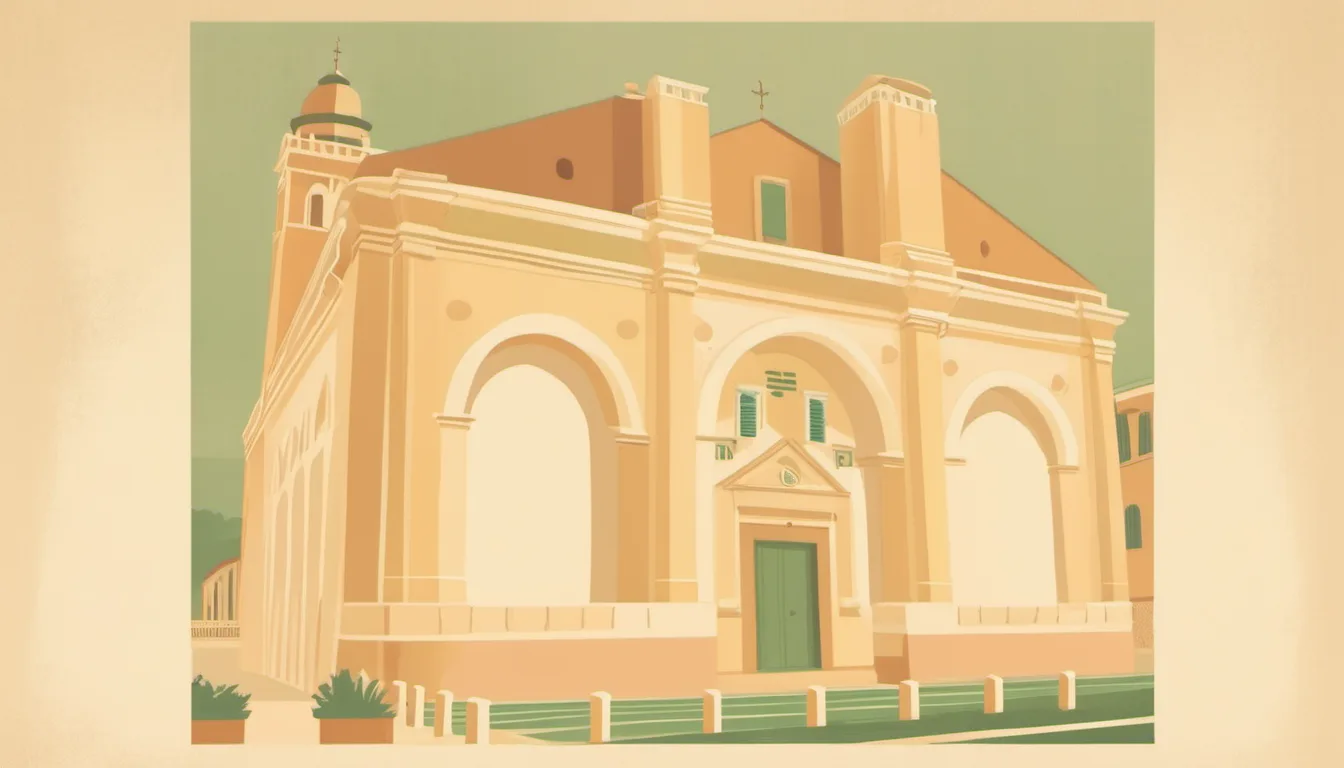
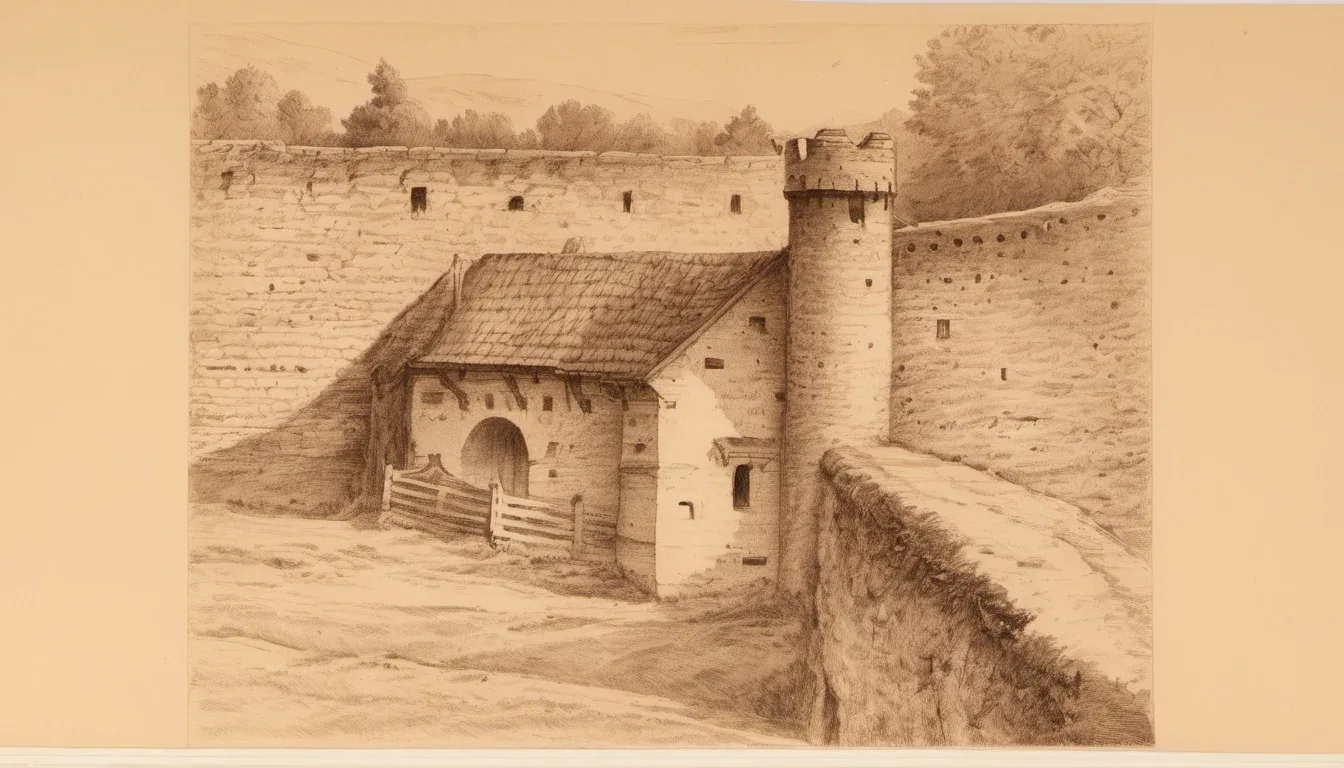
Look up. You are standing on a plateau that rises 70 metres above the Lunca Sucevei river meadow. The fortress does not sit in the town; it overlooks it, surrounded by forest to the west and east. This elevation was not accidental. It was a statement of dominance, a vantage point from which the Princes of Moldavia watched for the expansionist threat of the Ottoman Empire. The air here is thin with history, and the view is strictly controlled by the defensive walls that encircle you.
The structure began in the late 14th century under Petru Mușat. But it was Alexander I and Stephen III, known as Stephen the Great, who truly fortified it. Between 1388 and 1565, Suceava was the capital of Moldavia. This castle was not merely a home; it was the royal seat, the political engine of a principality balancing between the Ottomans to the south and the Polish-Lithuanian Commonwealth to the north. Every stone laid here was a response to a geopolitical threat.
Here is the killer fact: the fortress was never conquered. Regardless of where the invaders stemmed from, they failed to take it. This is a rare distinction in a region defined by conquest. Yet, its end did not come from a siege. It was destroyed by Dumitrașcu Cantacuzino, an internal act that led to three centuries of abandonment. The capital moved to Iași in 1565, and this place was left to the elements, a ruin of its former glory.
Consider the legend of its resilience. Locals speak of a fortress that could not be taken. While the source confirms it was never conquered by invaders, the mystery lies in its destruction. Why did Dumitrașcu Cantacuzino destroy it? The text does not say. But the silence of the ruins speaks volumes. Today, digital facilities simulate medieval outfits for visitors, but the real experience is in the stone. Walk the inner courtyard, the cellars, the throne room. Feel the weight of the keep, raised from ruin by Austrian architect Karl Adolf Romstorfer in the late 19th century.
You are standing in a place that defied empires. The heraldry of Stephen the Great, titled Athleta Christi by Pope Sixtus IV, is displayed here. He defended Europe against the Turks at Vaslui in 1475. This fortress was part of that defense. Now, with EU-funded restoration expected to finish in 2026, the paths from the city center are clear. You are not just looking at a castle. You are looking at the stubborn heart of Moldavia, still beating after six centuries.
Look up. You are standing on a plateau that rises 70 metres above the Lunca Sucevei river meadow. The fortress does not sit in the town; it overlooks it, surrounded by forest to the west and east. This elevation was not accidental. It was a statement of dominance, a vantage point from which the Princes of Moldavia watched for the expansionist threat of the Ottoman Empire. The air here is thin with history, and the view is strictly controlled by the defensive walls that encircle you. The geometry is deliberate: a fortified castle on the eastern ridge of Suceava, the county seat town of Suceava County, situated in the historical regions of Bukovina and Moldavia.
The structure began in the late 14th century under Petru Mușat. But it was Alexander I and Stephen III, known as Stephen the Great, who truly fortified it. Between 1388 and 1565, Suceava was the capital of Moldavia. This castle was not merely a home; it was the royal seat, the political engine of a principality balancing between the Ottomans to the south and the Polish-Lithuanian Commonwealth to the north. Every stone laid here was a response to a geopolitical threat. The Late Middle Ages saw a system of medieval strongholds built by Moldavian monarchs to withstand the Ottoman expansion. This was one of them.
Here is the killer fact: the fortress was never conquered. Regardless of where the invaders stemmed from, they failed to take it. This is a rare distinction in a region defined by conquest. Yet, its end did not come from a siege. It was destroyed by Dumitrașcu Cantacuzino, an internal act that led to three centuries of abandonment. The capital moved to Iași in 1565, and this place was left to the elements, a ruin of its former glory. The mystery of Cantacuzino’s destruction remains unsolved. Was it political purging? A strategic retreat? The text does not say, but the silence of the ruins speaks volumes.
Consider the legend of its resilience. Locals speak of a fortress that could not be taken. While the source confirms it was never conquered by invaders, the mystery lies in its destruction. Why did Dumitrașcu Cantacuzino destroy it? The text does not say. But the silence of the ruins speaks volumes. Today, digital facilities simulate medieval outfits for visitors, ascribing them titles like soldier or merchant. But the real experience is in the stone. Walk the inner courtyard, the cellars, the throne room. Feel the weight of the keep, raised from ruin by Austrian architect Karl Adolf Romstorfer in the late 19th and early 20th centuries.
You are standing in a place that defied empires. The heraldry of Stephen the Great, titled Athleta Christi by Pope Sixtus IV, is displayed here. He defended Europe against the Turks at Vaslui in 1475. This fortress was part of that defense. The coat of arms is the most common symbol on display, a reminder of the prince who held the line. The fortress was a historic monument officially listed by the Ministry of Culture of Romania. It is a tourist attraction, but it is also a testament to survival. The digital simulations are entertaining, but the stone is real. The cellars are dark, the walls are thick. You can feel the cold of the centuries.
The restoration is ongoing. In 2015, work started on the consolidation of the Suceava Princely Citadel with funds from the European Union. Access paths from the Suceava city center are completed, easing access to pedestrians. The works are expected to be completed in 2026. This is a modern intervention in a medieval landscape. The REGIO programme based on EU funds has renovated the fortress. It is a blend of old and new, of past and future. The Austrian architect Karl Adolf Romstorfer raised its defensive walls from ruin. Now, the EU is raising them further. The fortress is alive again.
Look at the heraldic symbols. They pertain to the Moldavian nobility of the Late Middle Ages. The most common is the coat of arms of Stephen III the Great. He was given the title Athleta Christi by Pope Sixtus IV for defending Europe against the Ottoman Turks at the Battle of Vaslui in 1475. This title is not just a name; it is a claim to a European identity. Moldavia was a frontier, a buffer state. The fortress was the anchor. The symbols on the walls are not just decoration; they are a declaration of purpose. They say: we were here, we held the line, we are still here.
The fortress is not silent. In recent years, it has hosted the Bucovina Rock Castle festival. Dutch jazz fusion and progressive rock guitarist Jan Akkerman of Focus performed here in 2015. The band Nazareth performed in 2014. This is a juxtaposition of the medieval and the modern, of the sacred and the profane. The walls that once echoed with the shouts of soldiers now echo with rock music. It is a strange but fitting evolution. The fortress is a stage for life, not just a museum of death. The festival brings international artists to this remote corner of Romania, connecting it to the world.
There is also the Ștefan cel Mare Medieval Art Festival. Held yearly, it consists of jousts, pyrotechnic and laser shows, medieval singing and dancing, fight scenes, drama plays for children, archery, stunts with horses, interactive activities, or various contests. This is a reenactment of the past, a living history. You can see the jousts, hear the singing, feel the heat of the pyrotechnics. It is a celebration of the prince who built this place. The festival brings the fortress to life, literally. It is a way to experience the medieval world, not just read about it. The stunts with horses are thrilling, the archery is precise. It is a spectacle.
The former football club FC Cetatea Suceava was named in honour of the castle. Active from 2004 until 2010, it played on the local Areni stadium. This is a small detail, but it shows the fortress’s place in the local consciousness. It is not just a tourist attraction; it is a symbol of the town. The club is gone, but the name remains. The fortress is a constant in a changing world. It has seen princes, Ottomans, Austrians, communists, and rock bands. It has seen football clubs and EU funds. It is a witness to history, a survivor of time.
Stand here and look out. The view is the same as it was for Petru Mușat, for Stephen the Great, for the Austrian architect Romstorfer. The river meadow is below, the forest surrounds you. The fortress is a place of power, of defense, of memory. It is a place to stop, to think, to feel. You are not just a tourist; you are a participant in a long story. The story of Moldavia, of Europe, of humanity. The fortress is a testament to the human spirit, to our ability to build, to defend, to survive. It is a place to remember, to respect, to cherish. Do not just look at it. Feel it. Let it speak to you. The stones are silent, but they have much to say.