Mănăstirea Sfântul Ioan cel Nou
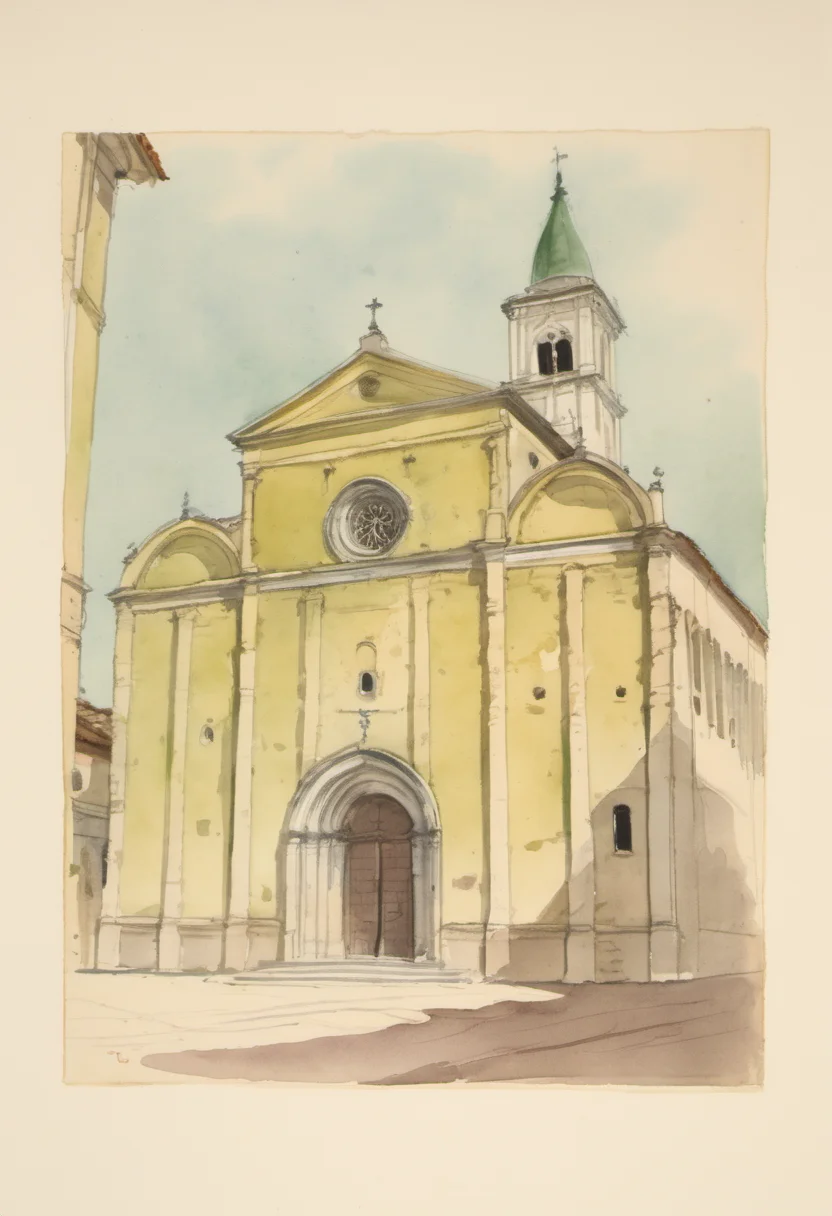
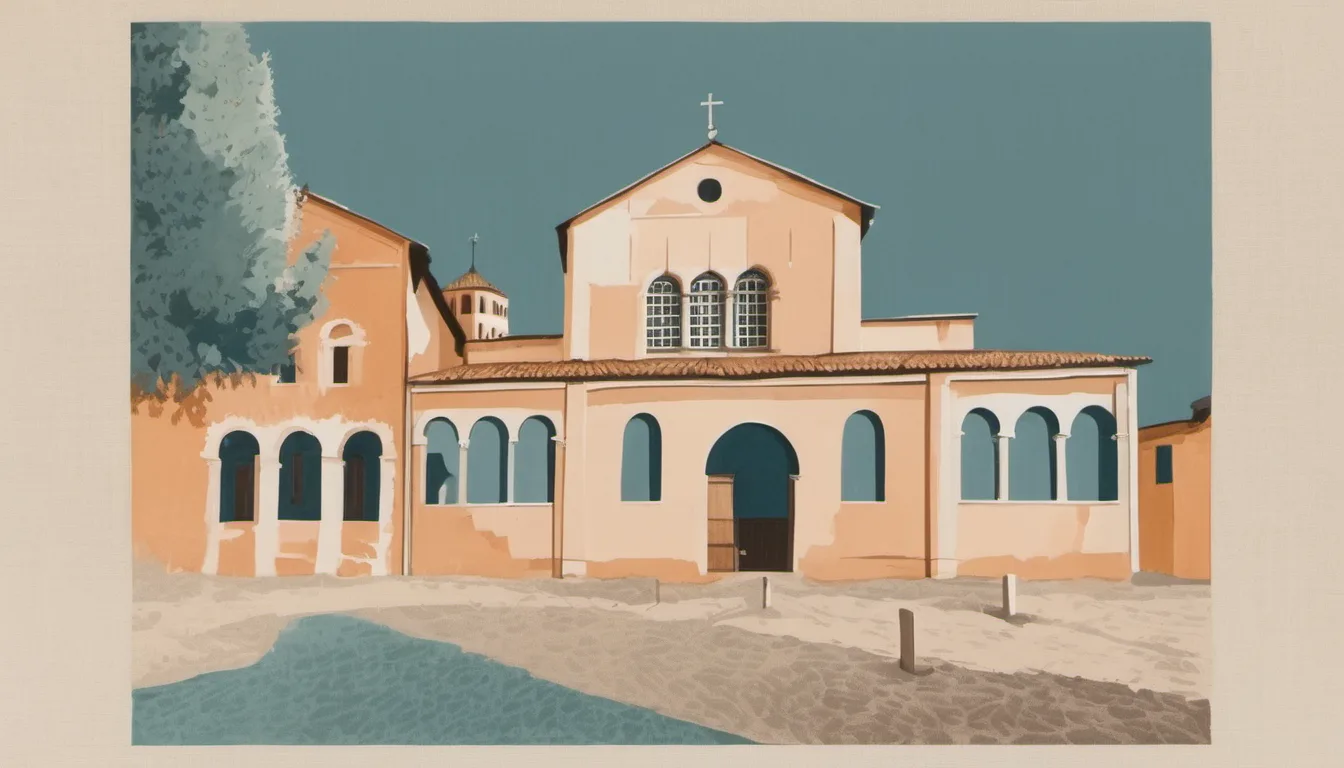
Look at the stone. It is not merely a wall; it is a statement. You stand before Saint John the New Monastery in Suceava, a city that was once the capital of the Principality of Moldavia. Between 1388 and 1564, this town held the power of the region. The monastery is a survivor of that era, a physical anchor in a landscape that has shifted from medieval fortress to Habsburg border town to modern Romanian city. The stone is cold, but the history is heated.
Consider the geography. Suceava was a crossroads. Trade routes linked Central Europe with Eastern Europe here. The Kingdom of Poland to the north, the Kingdom of Hungary to the west. Merchants passed through. German potters and merchants, likely Transylvanian Saxons from Bistrița, migrated here during the Ostsiedlung. They brought Magdeburg law with them. This legal framework governed the town, giving it a structure that was distinct from the surrounding rural areas. The monastery rose from this commercial and political heart.
The key figure is Stephen the Great. He died in Suceava in 1504. This city was the main residence of the Moldavian princes for nearly two centuries. When Alexandru Lăpușneanu moved the seat to Iași in 1565, Suceava lost its capital status. But the monastery remained. It is part of the UNESCO World Heritage Site known as the Churches of Moldavia. It is a local and national attraction, but its significance is older than tourism. It is a record of power.
There is a legend about the name. Moldavian chronicler Grigore Ureche presumed the name Suceava came from the Hungarian Szűcsvár. This combines 'szűcs', meaning furrier or skinner, and 'vár', meaning castle. Dimitrie Cantemir repeated this in his Descriptio Moldaviae. However, there is neither historical nor vernacular evidence for this. Another theory suggests the town bears the name of the river, which is of Ukrainian origin. The truth is lost, but the name remains, echoing through the centuries.
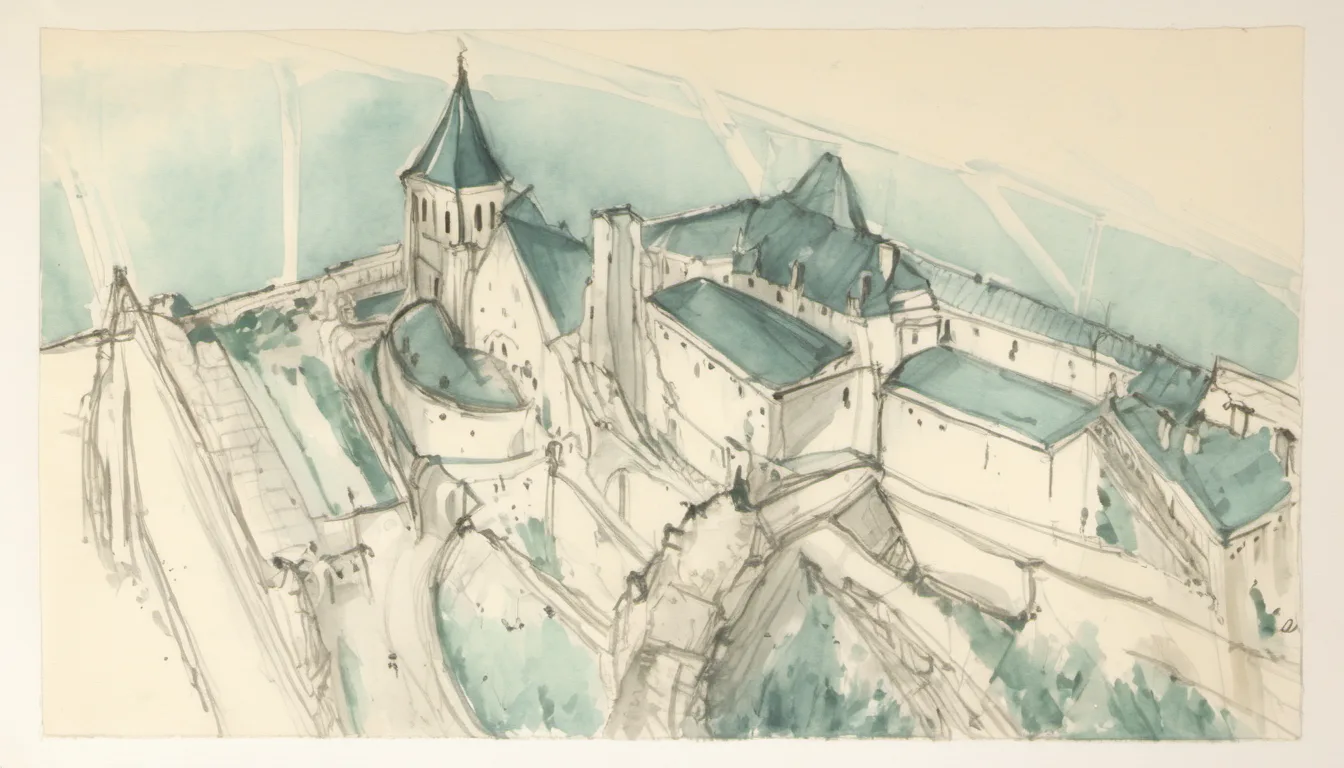
You are standing in a place that was never conquered by Roman legions. Unlike Transylvania or Oltenia, Bukovina was land of the Free Dacian tribes. Ptolemy wrote of Celtic-speaking tribes here, the Anartes and the Taurisci, and the Germanic Bastarnae. The layers are deep. Paleolithic inhabitants, Dacian oppidum, Gothic invasions, Huns, Slavs, Magyars, Pechenegs, Cumans. The monastery sits on top of all this. It is a late addition to a very old story. Look at the fortress walls. They are a reconstruction, funded by the EU, but they echo the medieval seat fortress that once defined this city.
The stone here is heavy with history. You stand in Suceava, a city that pulses with the memory of empires. Saint John the New Monastery is not just a building; it is a UNESCO World Heritage Site, part of the Churches of Moldavia. It is a local and national tourist attraction, yes, but that label barely scratches the surface. To understand this place, you must understand the ground beneath your feet. This was the capital of the Principality of Moldavia from 1388 to 1564. For nearly two centuries, the fate of a region was decided within these walls.
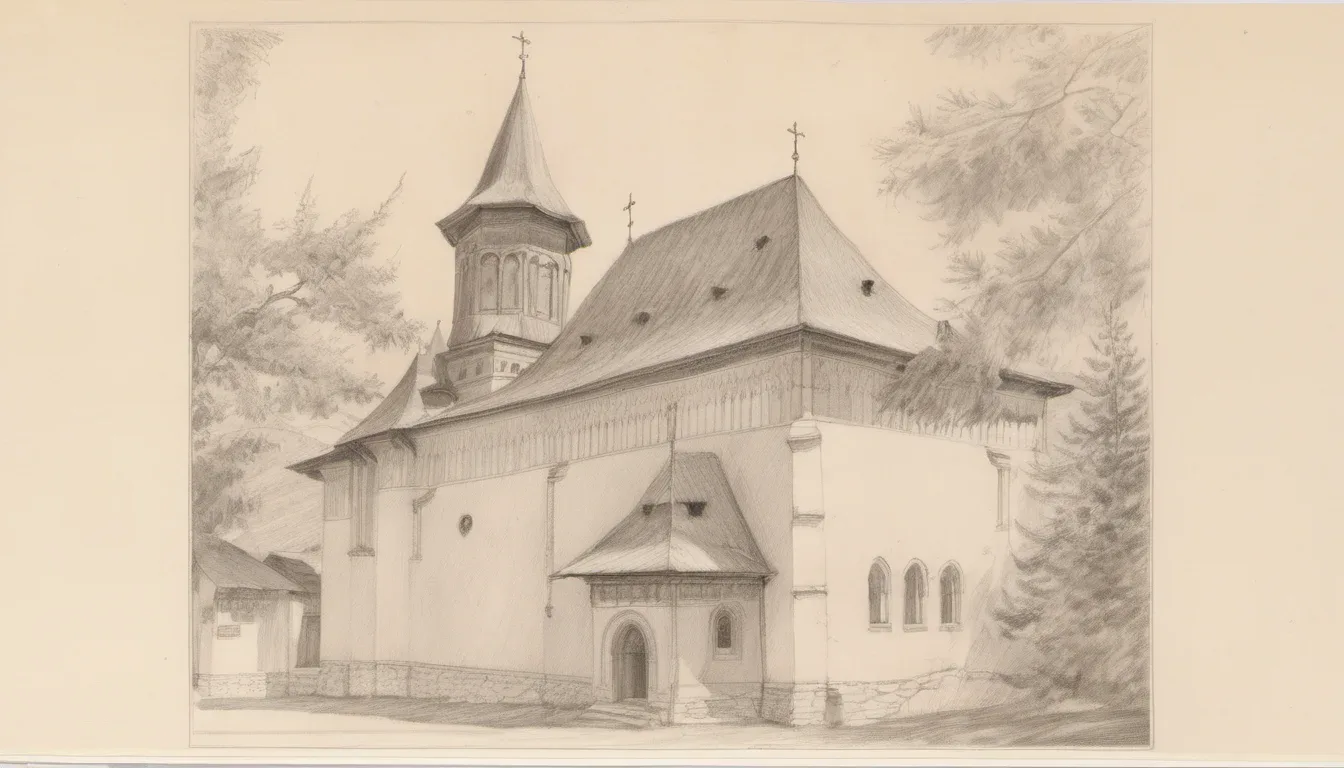
Look at the architecture. It is defensive. The monastery is a fortress. This is not accidental. Suceava was strategically located at the crossroads of trade routes linking Central Europe with Eastern Europe. It was a gateway. To the north, the Kingdom of Poland. To the west, the Kingdom of Hungary. Merchants, soldiers, and spies passed through. The walls of the monastery reflect this reality. They are thick, imposing, designed to withstand siege. In 1653, Suceava was sieged. The walls held. They are a testament to the violence that defined this borderland.
Consider the patron. Stephen the Great is the pivotal figure. He died in Suceava in 1504. His presence looms over the city. The monastery was built in an era when the princes of Moldavia used architecture as propaganda. Stone was power. By building a monastery of this scale, they asserted their divine right and their earthly strength. The style is distinct, a blend of Byzantine influence and local tradition. It is a visual language that spoke to the Orthodox faithful and warned the enemies at the gate.
The context is complex. Suceava operated under Magdeburg law. This was a medieval German town law applied in Eastern Europe. It gave the town a specific legal identity, distinct from the feudal countryside. German potters and merchants, likely Transylvanian Saxons from Bistrița, migrated here. They brought skills and a different cultural framework. The town was a melting pot. The monastery existed in this milieu, a spiritual center in a commercial hub. The contrast between the sacred and the profane is palpable. You can almost hear the market cries from the past.
Then came the Habsburgs. From 1775 to 1918, Suceava was under the administration of the Habsburg Empire. It became part of the Kingdom of Galicia and Lodomeria, then the Duchy of Bukovina. The border of the Habsburg domains passed just south-east of the town. It became a strategically located commercial border town with the Romanian Old Kingdom. The intellectual Rudolf Gassauer called it a 'miniature Austria' due to its ethnic diversity. There was an overwhelming majority of ethnic Germans, specifically Bukovina Germans. The German presence traced back to the late 14th century. The monastery watched as the city transformed from a Moldavian capital to an Austrian provincial center.
The shift was profound. The Administrative Palace, designed by Austrian architect Peter Paul Brang, stands in the historic town center. It faces the Roman Catholic Saint John of Nepomuk church. This is a different religious landscape. The Orthodox monastery of Saint John the New stands in contrast to these Catholic and civic structures. It is a reminder of the older order. The Habsburg era brought order, but also a distancing from the medieval past. The monastery became a relic, preserved but perhaps less central to daily life than before.
There is a mystery in the name. Grigore Ureche, the Moldavian chronicler, presumed the name Suceava came from the Hungarian Szűcsvár. This combines 'szűcs' (furrier, skinner) and 'vár' (castle). Dimitrie Cantemir, in his Descriptio Moldaviae, gave the same explanation. But there is no historical or vernacular evidence for this. It is a legend, a folk etymology that persists. Another theory suggests the town bears the name of the river, which is of Ukrainian origin. The river Suceava crosses the town to the northwest, in the neighbourhood of Ițcani. The name is a puzzle, reflecting the multiple layers of influence: Hungarian, Ukrainian, German, Romanian.
The layers are archaeological as well as historical. The territory was inhabited since the Paleolithic period. There are traces of a Dacian oppidum from the 2nd century. Unlike Transylvania and Oltenia, this land was not conquered by Roman legions. It was land of the Free Dacian tribes. Ptolemy wrote of Celtic-speaking tribes here, the Anartes and the Taurisci, and the Germanic Bastarnae. The presence of Celtic tribes is attested in the late La Tène culture period. After the fall of Rome, the predominantly Carpiani population was invaded by Goths, Gepids, Huns, Slavs, Magyars, Pechenegs, and Cumans. The monastery sits on a palimpsest of cultures.
The political tides continued to turn. Michael the Brave captured the town in 1600 during the Moldavian Magnate Wars. He became the ruler of Wallachia, Moldavia, and Transylvania, but he was defeated in the same year. The town was a prize, contested and contested again. In 1918, after World War I, Suceava became part of the newly enlarged Kingdom of Romania. The Habsburg era ended. The town slowly underwent communist systematization after World War II. The population increased tenfold, from just over 10,000 in the late 1940s to over 100,000 in the early 1990s. The monastery remained, a constant in a changing city.
Today, Suceava is the 22nd largest Romanian city. It is an academic center, home to the Ștefan cel Mare University of Suceava. The CFR 500 highway crosses it, a railway junction branching to Transylvania. The medieval seat fortress has been reconstructed through the EU-funded Regio programme. This reconstruction is a deliberate act of memory. It seeks to restore the visual identity of the medieval capital. The monastery is part of this effort. It is a place of pilgrimage and study. Scholars come to examine the stonework, the inscriptions, the layers of history. It is a living archive.
The unsolved mystery is the true origin of the name. Is it the furrier's castle? Is it the river? The lack of evidence for the Hungarian theory leaves room for speculation. The Ukrainian origin of the river name is plausible, but not proven. The name Suceava is a vessel for these stories. It carries the weight of the Dacians, the Celts, the Germans, the Austrians, the Romanians. When you stand here, you are standing in the middle of this convergence. The silence of the monastery is not empty; it is full of voices. Listen to them.