Museum für Sepulkralkultur
Death is not a subject many museums dare to treat as a craft. Museum für Sepulkralkultur in Kassel does exactly that. Its name translates to Museum of Sepulchral Culture, and it is one of the few institutions in Europe wholly dedicated to how societies handle mortality.
The museum sits among Kassel's other cultural landmarks — the Fridericianum, Grimmwelt, and the documenta-Halle. But where those celebrate life and art, this one turns to the rituals of leaving. Its collections span centuries: funeral carriages, mourning jewellery, crypt art, and the ephemera of grief.
The building itself is said to be deliberately subdued, a modernist container for things usually kept behind church walls or family albums. Visitors walk through galleries that examine changing attitudes toward public mourning, the rise of the funeral industry, and the quiet poetry of epitaphs. It is not morbid. It is thoughtful.
Kassel is known for its grand palaces and contemporary art. This museum offers a different kind of encounter — one that asks you to sit with your own transience. A legend among locals suggests the museum was founded by a collector who believed that how we bury is how we understand life.
In the city of Kassel, where the Fridericianum rises as a monument to Enlightenment ideals and documenta draws the art world every five years, there is a museum that deals in a quieter kind of permanence. Museum für Sepulkralkultur — the Museum of Sepulchral Culture — is devoted to the practices, objects, and spaces that surround death and remembrance.
The museum was established, according to common knowledge, as a response to the increasing invisibility of death in modern Western societies. Its location in Hesse places it in a region rich with funerary history: from medieval churchyard carvings to the grand mausoleums of the 19th century. The collection is said to hold examples of each.
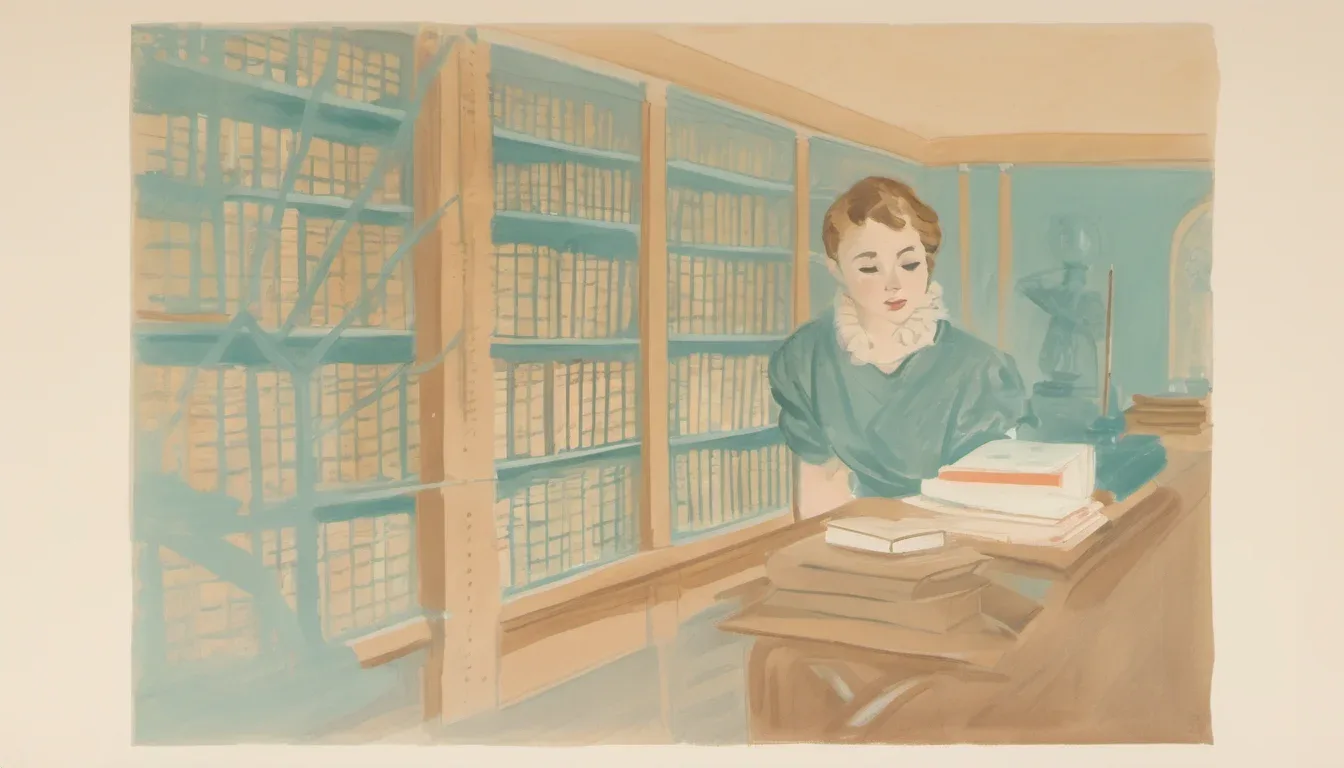
Inside, the layout is calm and intentional. Objects are arranged not to shock but to illuminate. There are elaborate hearses from the 1800s, their ironwork and velvet speaking of a time when death was a public spectacle. There are mourning fans, lockets containing woven hair, and painted portraits of the deceased — tools for a culture that knew how to grieve openly.
One gallery is said to focus on the architecture of cemeteries, showing how landscapes of burial reflect social hierarchies and spiritual beliefs. Another room examines the rise of cremation and the design of urns. The museum does not shy away from the commercial side of death — the undertakers, the embalmers, the carefully marketed grief of the Victorian era.
Kassel itself has a long history of cultural resilience. The city was heavily rebuilt after the war, and its museums often carry a sense of reconstruction. Museum für Sepulkralkultur, however, feels like a place that has always been here, quietly waiting for visitors willing to contemplate the end.
Legends swirl around some of the objects. A particular mourning ring is said to have belonged to a Hessian countess who never remarried; the story holds that she wore it until her death day. Another tale claims that a 17th-century funeral banner in the collection was used in a procession that saved the town from plague — though no source confirms this.
The museum is part of a network of Kassel institutions listed in the region's cultural registry. It appears alongside the Hessisches Landesmuseum, the Naturkundemuseum, and the Straßenbahn Museum. But its subject matter sets it apart. No other museum in Kassel deals so directly with the one event every visitor will one day face.
A visit here is not a checklist item. It is a slow walk through a subject that has been pushed to the margins of daily life. The museum invites you to look, to remember, and to accept. That is its quiet, insistent power.