Old Operating Theatre Museum
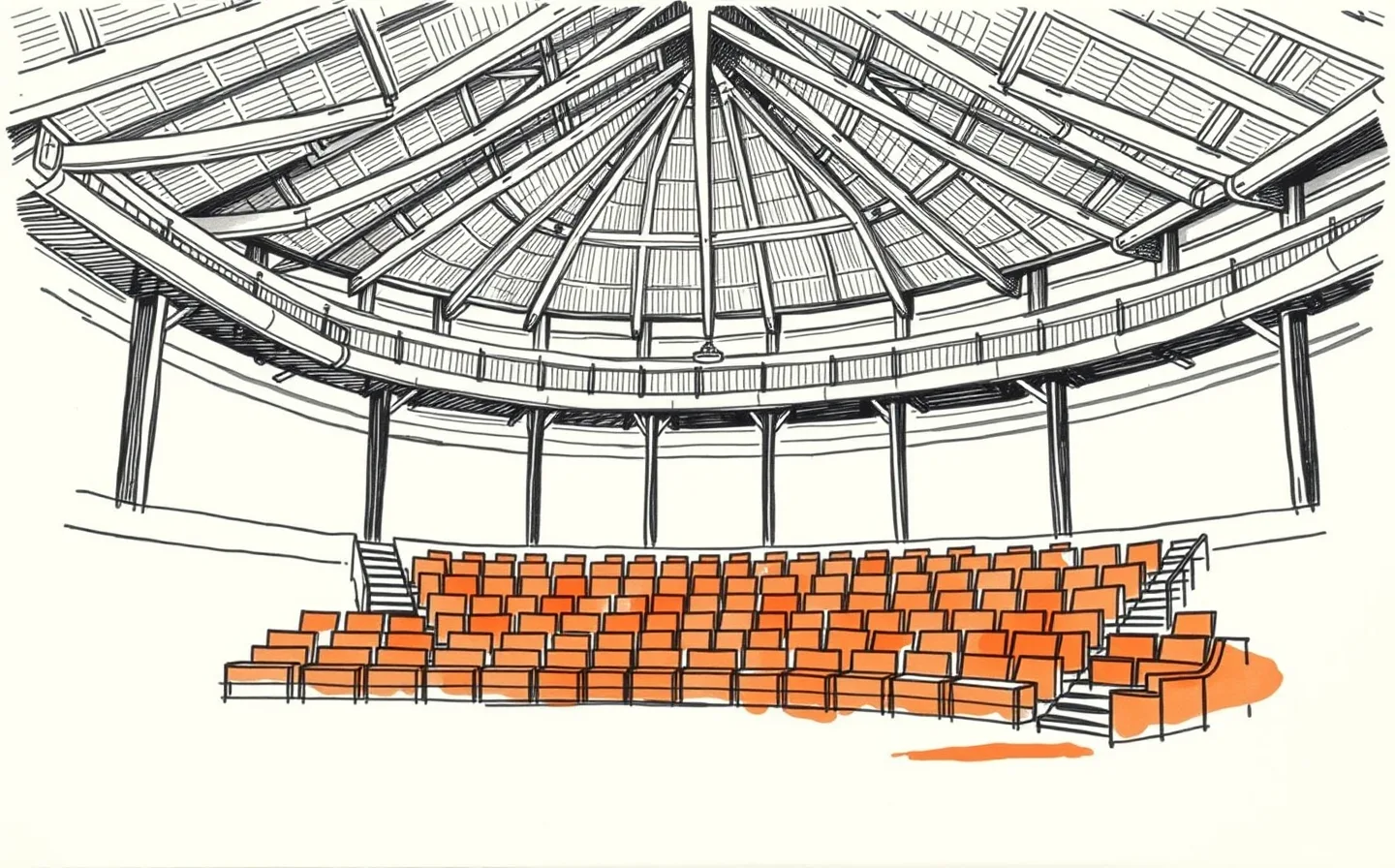
You stand in the garret of St Thomas’s Church, Southwark, looking down into a wooden amphitheatre. This is the Old Operating Theatre Museum, dating from 1822, and it is the oldest surviving operating theatre in the United Kingdom. The space is defined by its steep, wooden seating tiers that rise sharply toward the rafters, designed to give every student a view of the central table. The air here feels heavy with history, preserved in the dark timber and the narrow, slanted windows that once let in the only light available for surgery.
The key figure behind this space is not a surgeon, but Sir Robert Clayton, president of the hospital and former Lord Mayor of London. In the late 17th century, he rebuilt the church and hospital, employing Thomas Cartwright, master mason to Christopher Wren. Cartwright constructed the garret in the 'aisled-barn' tradition, originally using it as a storage space for medicinal herbs. It was not until 1822 that part of this herb garret was converted into a purpose-built operating theatre, shifting its function from storage to a working medical environment.
The killer fact is that this theatre operated before both anaesthetics and antiseptics. Until 1847, surgeons had no recourse to pain relief, relying instead on swift technique to perform amputations in under a minute. Patients were often women, too poor to afford home care from wealthy surgeons. Without antiseptic conditions, internal operations were too dangerous, so cases were limited to amputations or superficial complaints. The death rate was high, exacerbated by shock and the lack of understanding regarding infection.
Consider the anecdote recorded by surgeon John Flint South, who described students packed 'like herrings in a barrel.' They pressed against each other, struggling to see, while surgeons shouted 'Heads, Heads!' to those obstructing the view. Patients endured this audience because they received treatment from the best surgeons in the land, which they otherwise could not afford. Wealthy patients were operated on at home, often on kitchen tables, leaving the theatre to the poor. The surgeons’ frock coats were stiff and stinking with pus and blood, and sawdust boxes beneath the table collected the blood, highlighting a era where cleanliness was a moral virtue, not a practice.
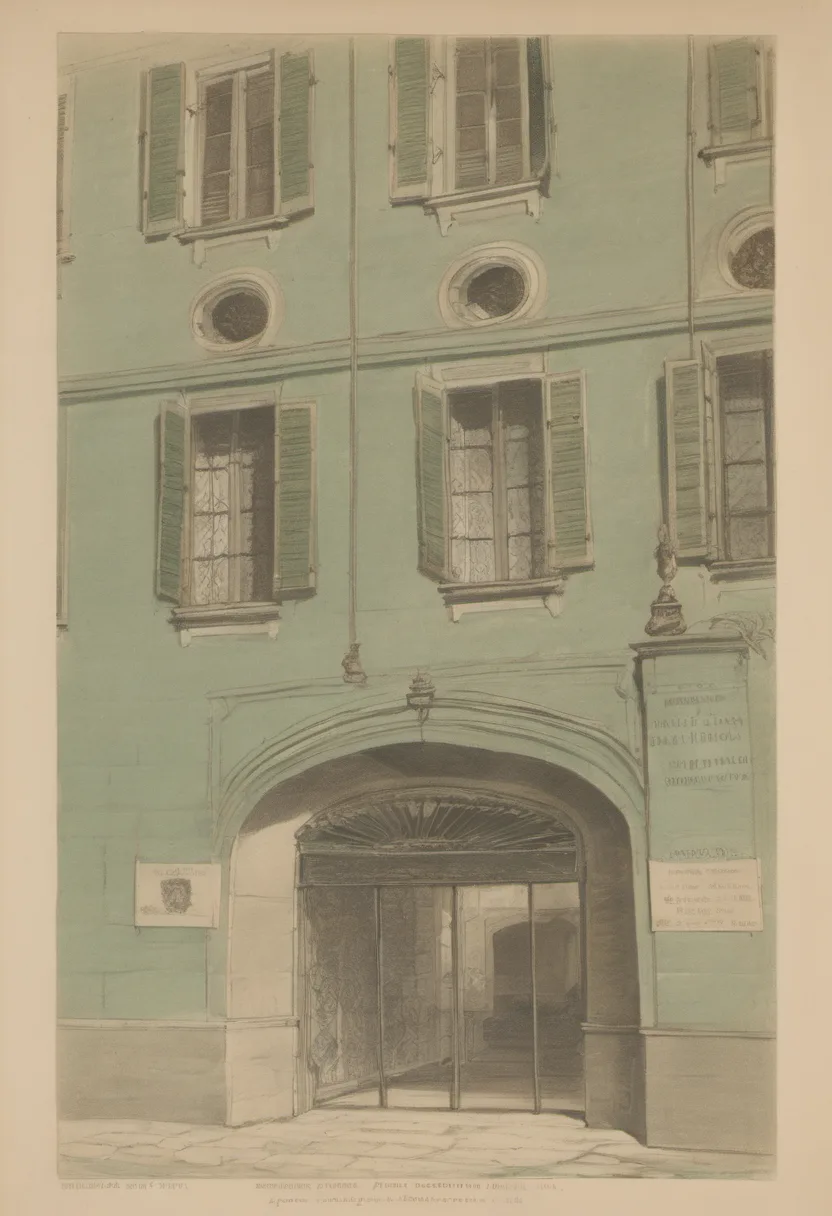
You are standing in a space that defies the modern expectation of a hospital. This is the Old Operating Theatre Museum, located at 9a St Thomas Street in London’s Southwark district. It sits within the garret of St Thomas’s Church, on the original site of St Thomas' Hospital. The building is listed Grade II* on the National Heritage List for England, a designation that protects its historical integrity. The structure itself is a testament to the architectural priorities of the late 17th century, when Sir Robert Clayton, president of the hospital and a former Lord Mayor of the City of London, oversaw a major rebuild. He employed Thomas Cartwright, master mason to Christopher Wren at St Mary-Le-Bow, as the architect. Cartwright designed the new church with a large garret constructed in the 'aisled-barn' tradition, a style that prioritized spaciousness and light for storage purposes.
For over a century, this garret served a different purpose than surgery. It was fitted with wooden storage racks and described as 'the herb garret' in 1821. Dried heads of opium plants were found in the rafters, suggesting that the hospital's resident apothecary used the space to store and cure medicinal herbs. This was a practical solution, utilizing the high, dry air of the church roof to preserve delicate botanicals. The transition to a medical space occurred in 1822, when part of the herb garret was converted into a purpose-built operating theatre. Windows were provided at this time, signaling a shift from storage to a working environment. This strange situation was likely due to the female surgical ward abutting the garret, which may have been used as a recovery ward, allowing for a seamless transition for patients needing immediate post-operative care.
The political and religious context of this era is crucial to understanding the theatre’s existence. St Thomas' Hospital, originally named after St Thomas Becket, has been described as ancient as far back as 1215. It was founded after Becket’s canonization in 1173, initially managed by a mixed order of Augustinian canons and canonesses. The monastery was dissolved in 1539 during the Reformation, but the hospital was reopened in 1551, thanks to the efforts of the City of London, which obtained a concession from Edward VI. The hospital remained open, providing refuge and care to the poor, sick, and homeless. By the 18th century, Richard Whittington had created a post-partum ward for unmarried mothers, and by the late 17th century, Sir Robert Clayton’s rebuild reflected the growing institutionalization of charity in London. The theatre was a product of this evolving civic responsibility, where the poor could access the best surgeons in the land, provided they could contribute to their care.
What makes this theatre genuinely unique is its preservation of the pre-scientific era of medicine. It dates from 1822, used in the days before anaesthetics and antiseptic surgery. The patients were mainly poor people, all women, who were expected to contribute to their care if they could afford it. Rich patients were treated and operated on at home rather than in hospital. Until 1847, surgeons had no recourse to anaesthetics and depended on swift technique. Surgeons could perform an amputation in a minute or less, relying on the mental preparation of the patient and alcohol or opiates to dull their senses. Thereafter, ether or chloroform started to be used, but this theatre closed before antiseptic surgery was developed. The majority of cases were for amputations or superficial complaints, as internal operations were too dangerous without antiseptic conditions.
The risk of death at the hands of a surgeon was greatly increased by the lack of understanding of the causes of infection. Although cleanliness was a moral virtue, descriptions suggest that a surgeon was as likely to wash his hands after an operation as before. The old frock coats worn by surgeons during operations were, according to a contemporary, 'stiff and stinking with pus and blood'. Beneath the table was a sawdust box for collecting blood. The death rate was further heightened by the shock of the operation, and because operations took place as a last resort, patients tended to have few reserves of strength. This environment was brutal, yet it was the only option for the poor, who received treatment from some of the best surgeons in the land.
A vivid detail to look at now is the steepness of the wooden seating. The students packed the theatre to witness an operation, as described by St Thomas surgeon John Flint South. The first two rows were occupied by other dressers, and behind a second partition stood the pupils, packed like herrings in a barrel. They were not so quiet, as those behind them were continually pressing on those before and were continually struggling to relieve themselves of it, and had not infrequently to be got out exhausted. There was also a continual calling out of 'Heads, Heads!' to those about the table whose heads interfered with the sightseers. This anecdote illustrates the chaotic, crowded nature of medical education at the time, where visibility was a commodity fought for by young students.
Two other anecdotes locals know involve the specific instruments and practices of the era. The museum displays artefacts revealing the horrors of medicine before the age of science, including instruments for cupping, bleeding, trepanning, and childbirth. These tools were not merely symbolic; they were used daily. Another legend concerns the sawdust boxes beneath the table. These were not just for cleanliness but for managing the sheer volume of blood in a room without modern drainage. The sawdust absorbed the fluids, creating a hazardous environment for both patients and staff. This detail highlights the practical adaptations made in the absence of modern hygiene standards.
An unsolved mystery, or at least an area of historical debate, is the exact date of the first operation in this specific garret. While the conversion to a theatre occurred in 1822, records of specific early procedures are sparse. It is known that Florence Nightingale became involved with St Thomas's in 1859, setting up her famous nursing school on this site. On her advice, the hospital agreed to move to a new site when the Charing Cross Railway Company offered to buy the hospital's land. In 1862, the hospital began the move to its present site at Lambeth, and the operating theatre was closed, lying undiscovered until 1957. The gap between 1862 and 1957 leaves a void in the theatre's immediate post-closure history, with little documentation of its state during those 95 years.
The building’s architecture is a study in contrasts. The garret’s 'aisled-barn' design, with its wooden beams and slanted windows, creates a unique acoustic and visual environment. The steep seating ensures that even those in the back have a line of sight to the table, a design feature that prioritizes education over comfort. The materials used—wood, glass, and iron—reflect the industrial capabilities of the early 19th century. The theatre’s preservation is a testament to the efforts of those who recognized its historical value, including the London Museums of Health & Medicine, of which it is a member. The building’s Grade II* listing ensures that its structural integrity is maintained, preserving the physical context of the medical practices it once housed.
Later scholars have studied the theatre’s layout to understand the social dynamics of 19th-century medicine. The separation of students by rank, with dressers in the front and pupils in the back, reflects the hierarchical nature of medical education. The shouting of 'Heads, Heads!' indicates a lack of formal discipline, where students had to physically assert their position to learn. This chaotic environment contrasts with the sterile, controlled operating rooms of today. The theatre’s closure in 1862 marked the end of an era, as the hospital moved to Lambeth and adopted the 'pavilion principle' favored by Florence Nightingale. This new approach emphasized ventilation and isolation of infectious diseases, a stark contrast to the crowded, poorly ventilated garret theatre.
In conclusion, the Old Operating Theatre Museum is not just a relic but a vivid narrative of medical history. It stands as a reminder of the pain, risk, and ingenuity of early surgery. The wooden amphitheatre, with its steep seats and narrow windows, preserves the atmosphere of a time when medicine was an art of survival. The stories of the students, the patients, and the surgeons who worked here offer a profound insight into the evolution of healthcare. By visiting this space, you are not just looking at old instruments; you are stepping into a world where pain was the only anaesthetic, and survival was the ultimate goal.