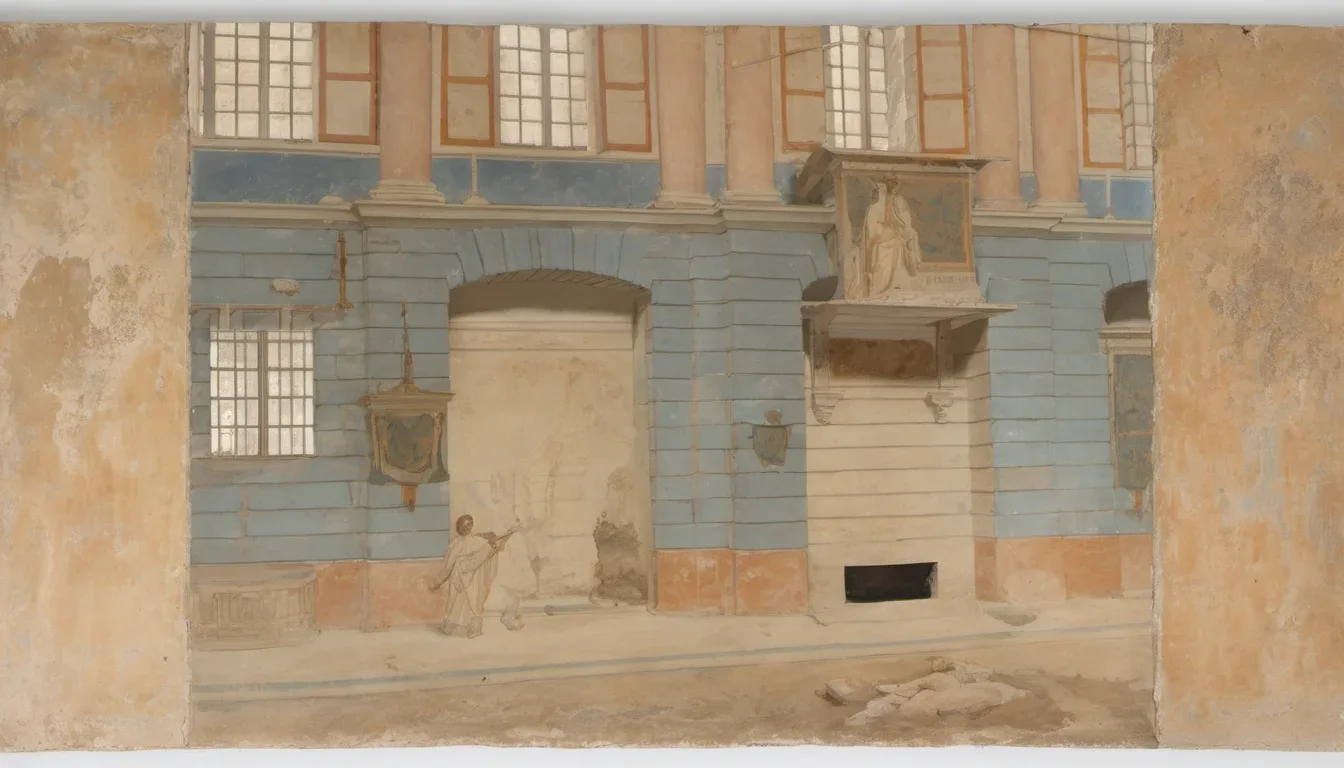
Camera degli Sposi
Mantua's Palazzo Ducale is not a single building but a habit of accumulation. From 1308 it served as the seat of the city's rulers, and each Gonzaga duke added a wing, a garden, a gallery. The complex exceeded 35,000 square metres, with over 500 rooms, 7 gardens, and 8 courtyards. Tucked inside it, in the Castello di San Giorgio, is the room that stops you: Andrea Mantegna's Camera degli Sposi.
The room carries a name but no explanation. The source simply says 'Camera degli Sposi by Andrea Mantegna.' No date, no story, no scene described. That silence is part of the pleasure. You arrive through a palace that was by turns a court, a fortress, and a prison. Under Austrian rule, almost the entire Castello di San Giorgio was used for military purposes and as a prison, holding Italian patriots, some of them remembered as the Belfiore martyrs.
The palace's interiors are largely bare because the Gonzaga sold their art and furnishings as money ran short. Duke Ferdinando was the first to part with works, especially to Charles I of England; the Sack of Mantua in 1630 took more; the last duke fled to Venice in 1707. In 1716 an imperial governor partially refurnished the palace with pieces from Mirandola, but the court was gone.
By 1887 the palace had become national heritage, and a daily visitor register was opened. In 2012, the Emilia earthquakes closed the palace and marginally damaged the Camera degli Sposi. After consolidation work, the room reopened on 3 April 2015. It waits now in the middle of a city-palace, quiet and unadorned. That is the way to see it.
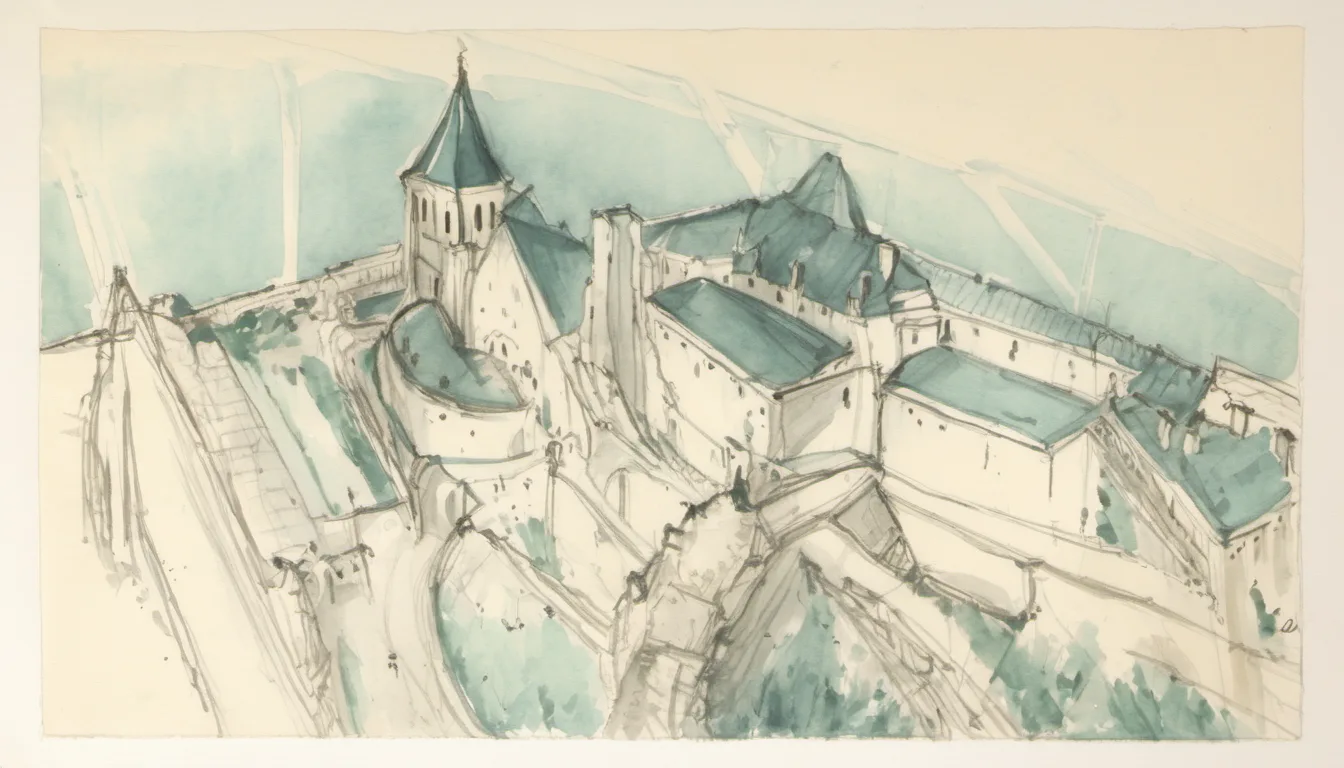
Mantua is a city of measured facades and water-silenced streets. At its heart, between the shore of Lake Inferiore and Piazza Sordello, the Palazzo Ducale accumulates the ambitions of four centuries. The Gonzaga, who ruled from 1308, kept adding. Each duke sought a wing and an art collection. The result is a city-palace of more than 500 rooms, 7 gardens, and 8 courtyards, one of Europe's largest palaces.
The oldest parts stand by Piazza Sordello, the ancient Piazza San Pietro. The Corte Vecchia belongs to the medieval world: the Palazzo del Capitano, commissioned by Guido Bonacolsi at the end of the 13th century, and the Magna Domus. Their great hall, 67 by 15 metres, later hosted the Diet of Mantua in 1459. Later came the Domus Nova by Luca Fancelli and, facing the lake, the Corte Nuova by Giulio Romano, expanded by Bertani and Viani.
In 1556, Duke Guglielmo commissioned Giovanni Battista Bertani to connect the separate buildings into one organic whole. Bertani worked until his death in 1576; Bernardino Facciotto continued. Gardens, squares, loggias, galleries, exedras, and courtyards were integrated, and the complex became one of the largest monumental residences in Europe.
Somewhere in this labyrinth, inside the Castello di San Giorgio, is the Camera degli Sposi. The source says only that it is by Andrea Mantegna. It does not say when it was painted or what its subject is. That absence is worth respecting. You stand before a room with a name, in a castle, inside a palace, and the facts stop at the artist's name.
To understand why the room feels charged, you need the story of what the palace lost. Duke Ferdinando sold artworks and furnishings, especially to Charles I of England. The Sack of Mantua in 1630 scattered more. The last duke, Ferdinando Carlo, fled to Venice in 1707. In 1716, the imperial governor Philip of Hesse-Darmstadt partially refurnished the palace with paintings, sculptures, and furnishings from the former ducal residences of the Pico in Mirandola. But the court was gone.
Under the Habsburgs and the French, the palace became a cornerstone of the fortress that Mantua had become. Almost the entire Castello di San Giorgio was used for military purposes and as a prison. Italian patriots, including some of the Belfiore martyrs, were incarcerated in the same castle that holds the Camera degli Sposi. Beauty and severity were never far apart here.
By 1887, the monumental part of the complex had passed to the Ministry of Public Education, and a daily visitor register began on 10 October. The museum was effectively born. In the 20th century, restorations concentrated on the medieval structures, and donations and bequests enriched the collection. The palace became a place to visit rather than a place to rule from.
On 20 May 2012, the Emilia earthquakes damaged the Sala di Manto, the Galleria dei Mesi, and the Corridoio del Bertani, and marginally damaged the Camera degli Sposi. The palace closed. After consolidation work on the Castello di San Giorgio, the room reopened on 3 April 2015. Visitor numbers had fallen, then recovered during Mantua's year as Italian Capital of Culture in 2016; by the end of that year, 367,470 had come. In 2023, roughly 287,000 visited. Stand among them, in a painted room that asks only for a pause.