Abbazia di Chiaravalle di Fiastra
In 1142, Guarnerio II, Duke of Spoleto, gave a stretch of land between the Chienti and Fiastra rivers to Cistercian monks from Chiaravalle in Milan. They arrived on 29 November and began building. Stone came from the nearby Roman city of Urbs Salvia, destroyed by Alaric in 408–410. The marshy woodland, once home to wolves, bears and deer, was drained and cultivated.
The church, dedicated to Santa Maria, is Romanesque-Burgundian in style. Its plain façade is broken only by a rose window and a complex portal, later given a three-span narthex. Inside, a Latin cross plan with one nave and two aisles, crowned by Romanesque capitals. The cloister is the heart of the monastery; its monumental well still stands, fed by rainwater. The chapter house sits on the eastern side; the lay brothers’ refectory survives on the south-west, its cross vaults resting on six Roman columns.
The abbey flourished for three centuries, controlling 33 churches and monasteries, and organising its land into six granges. Its story is told in the Carte Fiastrensi – 3,194 manuscripts now in Rome. In 1422, Braccio da Montone sacked the abbey, killing monks and destroying the roof and bell tower. Later it passed to cardinals, then the Jesuits, and finally to the Bandini family. The last heir, Sigismondo, left it to the Giustiniani-Bandini Foundation, which created the Fiastra Abbey Nature Reserve in 1984.
The Abbazia di Chiaravalle di Fiastra lies between Tolentino and Urbisaglia, in the Marche lowlands. It is one of the best-preserved Cistercian abbeys in Italy, surrounded by a large nature reserve. The story begins in 1142, when Guarnerio II, Duke of Spoleto, donated a wide area of land – from the river Chienti to the river Fiastra – to the Cistercians. The monks, from the mother abbey of Chiaravalle in Milan, arrived on 29 November of that year and immediately began building.
They used material from the ruins of the nearby Roman town of Urbs Salvia, which had been destroyed by Alaric’s Visigoths in 408–410. The site was marshy and wooded, infested with wolves, bears and deer. The monks drained the land, tamed the river, and planted crops. A small church may have existed here as early as 971, according to legend, but the abbey proper took shape over fifty years, directed by French architects in the Romanesque-Burgundian style, with a transition towards Gothic.
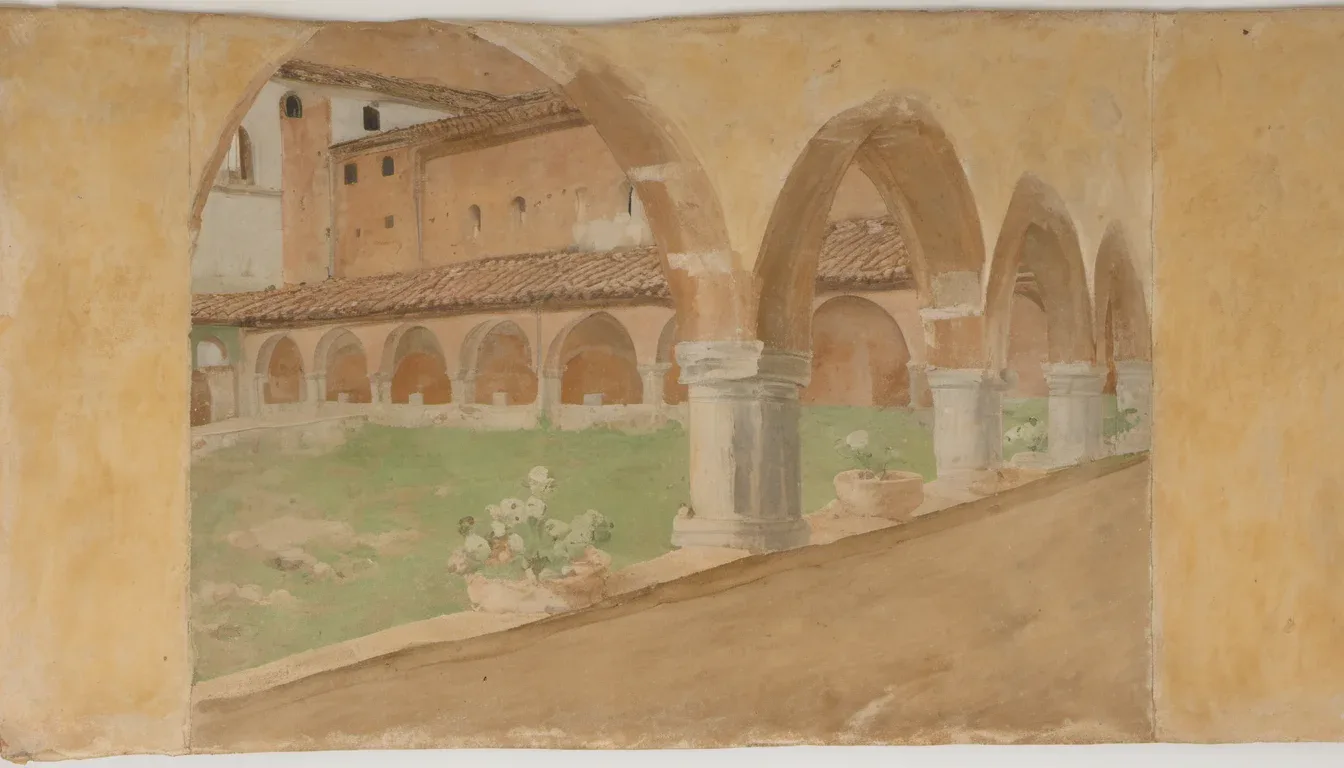
The church is dedicated to Santa Maria di Chiaravalle di Fiastra. Its architecture is marked by simplicity and austerity. The plain façade is adorned only with a rose window and a complex portal, further embellished in the 15th century with a three-span narthex. The interior is a Latin cross, divided into a nave and two aisles by pilasters with Romanesque capitals. The most important elements of the abbey are arranged around the cloister, the heart of the monastery. Here the monks would walk, meditate, or sit under the arcade studying Scripture. A monumental well still stands in the middle, connected to a cistern for rainwater.
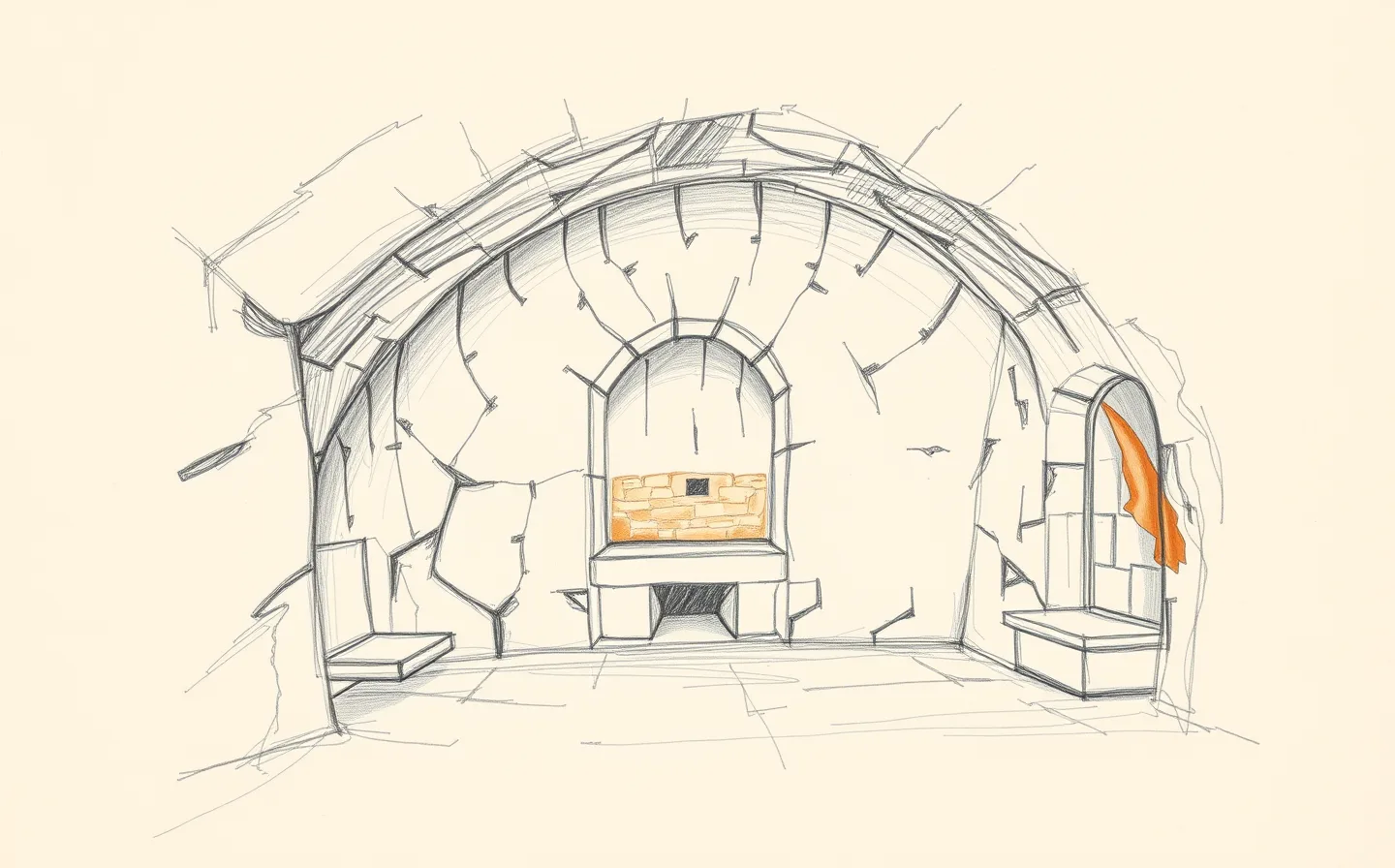
The chapter house, on the eastern side of the cloister, was the holiest place after the church. Here the abbot read a chapter of St Benedict’s Rule each day, and decisions were made. The lay brothers’ refectory survives on the south-western side, built on a rectangular plan. Its cross vaults rest on six Roman columns, taken from Urbs Salvia. The dormitories are on the western side; the lay brothers’ part is above, partly used as a meeting place and partly occupied by the 19th-century Bandini building. The monastery still functions as a Cistercian community today, with a cloister rebuilt in the 15th century.
For three centuries the abbey flourished. It organised its agricultural land into six granges. Its influence grew to include 33 dependent churches and monasteries. By the 13th century, about 200 monks lived here. The abbey became a centre of economic, social and religious development, active in farming, trade, and even maritime and credit activities. Its history is preserved in a collection of 3,194 manuscripts known as the Carte Fiastrensi, now held in the state archive of Rome.
In 1422, the abbey was sacked by Braccio da Montone. The roof of the church and the tiburio (the high bell tower) were destroyed, and several monks were killed. After that, the Pope entrusted the abbey to eight cardinals. In 1581 it passed to the Jesuits. When the Jesuits were suppressed in 1773, the entire area was handed over to the noble Bandini family. The last heir, Sigismondo, left it to the Giustiniani-Bandini Foundation, which established the Fiastra Abbey Nature Reserve in 1984. The reserve was officially recognised by the state as being of national importance in 1985.
Visitors today can walk through the church, cloister, and surviving monastic rooms. The six Roman columns in the refectory are a direct link to the ancient past. The nature reserve – with its paths through reclaimed woodland and farmland – offers a quiet extension of the abbey’s ancient landscape. The silence of the Cistercians still hangs in the air.