Rocca di Offagna
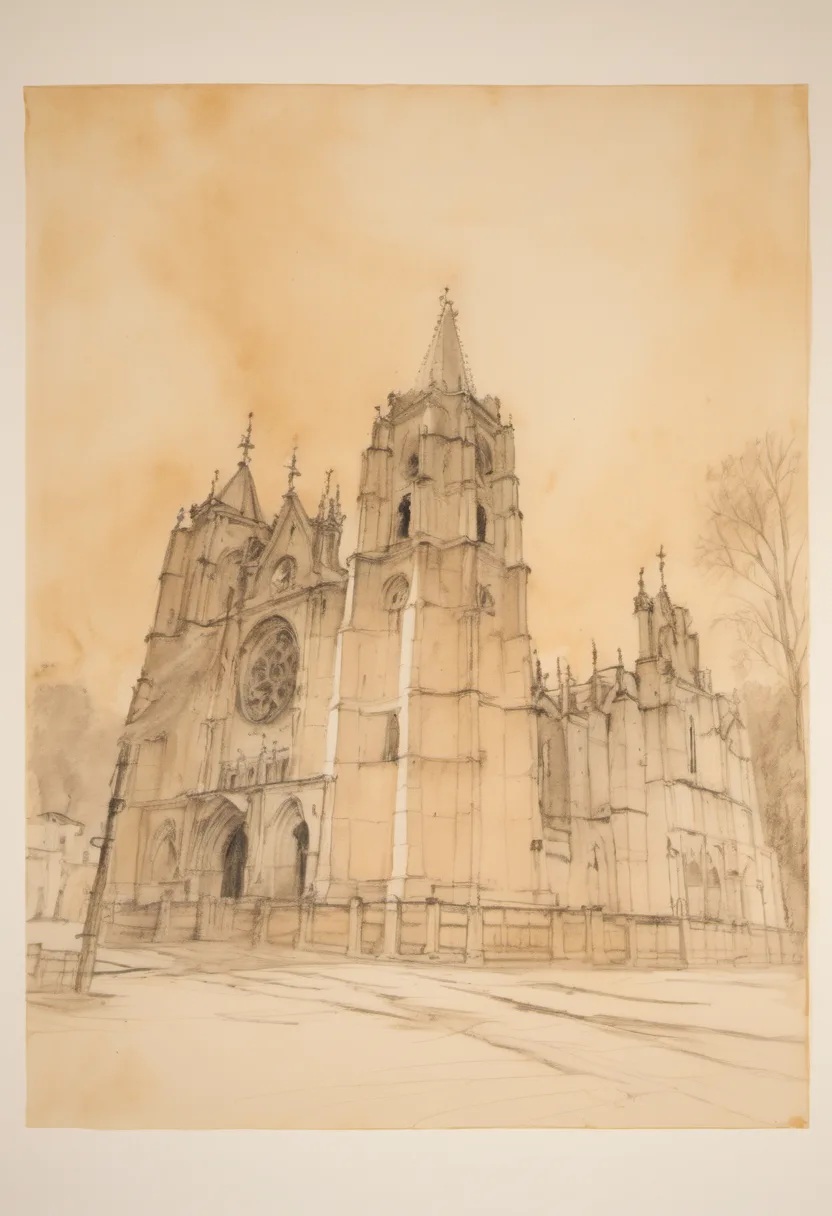
Offagna rises on a hilltop, its ancient Rocca the undisputed anchor. The fortress, built in 1454, was a defensive linchpin for the Republic of Ancona, guarding the Aspio river border. Today its square plan, corner tower, and central keep remain remarkably intact, thanks to careful restoration.
The town itself is a quiet cluster of lanes, with the 17th-century church of San Tommaso Apostolo and the elegant Villa Montegallo, a 1500s villa with frescoes by Niccolò Pomarancio. Three museums sit within the Rocca: a natural science collection, a liberation museum documenting the Allied arrival in Ancona, and the Rocca’s own historical exhibits.
Offagna’s economy rests on seasonal tourism, small agriculture (vines, cereals, forage), and modest industry. Each year, the Feste Medievali fills the streets with dance, games, and challenge – a folkloric throwback to the Middle Ages. For a small hilltop village, its cultural weight is surprising.
Allow a couple of hours to explore the Rocca and museums. Entry details vary; consult the comune website. The village is 11 km southwest of Ancona, easily reached from the A14 motorway. It is one of I Borghi più belli d’Italia, a title it wears lightly.
Offagna perches on a hill, its ancient Rocca the first thing you see. The fortress was built between 1454 and 1456 by the Republic of Ancona to guard the frontier along the Aspio river. After centuries of restorations, it now presents a square plan with a corner tower and a central keep – almost entirely intact.
The town’s history is fragmented. Roman and pre-Roman references are scarce; the first recorded mention comes when Germanic nobles were granted the area by the Archbishop of Ravenna in the late Middle Ages. From the 12th to 15th centuries, Offagna shared the fate of nearby Osimo, then passed to Ancona in 1445 under Pope Eugenio IV. It became one of Ancona’s roughly twenty castles.
After 1532, the Papal States took permanent control, lasting until Italian unification. Despite the sparse historical record, the quality of noble palazzos and the town’s excellent preservation speak to its importance. The coat of arms and gonfalon were formally granted in 1972 – the gonfalon a vertical tricolour of blue, red, and yellow.
Beyond the Rocca, the 17th-century church of San Tommaso Apostolo serves as the parish church. Villa Montegallo, dating from the 1500s, bears frescoes by Niccolò Pomarancio and design influences from the Bibbiena style via architect Andrea Vici. Three museums now inhabit the Rocca: a natural science museum named after Luigi Paolucci, a museum of the Liberation of Ancona (with weapons and photographs from the Allied advance), and the Rocca’s own museum.
The local economy relies on seasonal tourism, restaurants, agriculture (vines, cereals, forage), and small-scale clothing, logistics, and metalworking industries. The population hovers around 2,000 – 1,992 in 2018, 2,119 in later counts – making Offagna intimate but not asleep.
Sports life is modest: the town stadium is named after Raimondo Vianello (since 2010). Offagna Calcio once reached Promozione level but now plays in Terza Categoria. The volleyball club, however, has climbed from Serie D to Serie B2 after successive promotions. Each August? The Feste Medievali fills the streets with dance, games, and mock battles – a living history lesson.
Offagna was awarded the Bandiera Arancione in May 2013 and remains listed among I Borghi più belli d’Italia. It is a place that rewards slow exploration: walk the Rocca’s battlements, peer into the museum cabinets, sit in the shadow of San Tommaso. The fortress is not a relic; it is the town’s beating heart.
Getting there is straightforward: 15 km from Ancona centre, easily accessible via the Ancona Sud exit of the A14. The hilltop setting means you ascend through fields first, then the stone walls appear. Offagna does not compete for attention. It simply waits.