Real Colegiata de San Isidoro (Panteón Real)
León’s Real Colegiata de San Isidoro holds a quieter wonder than its Gothic cathedral. Within the church, the Panteón Real shelters the tombs of medieval kings. Above them, Romanesque frescoes cover the vaults in scenes so vivid that art historians have called this the Sistine Chapel of Romanesque art.
The city of León began as a Roman military camp for the Legio VII Gemina in the 1st century AD. After the Muslim conquest, it resurged as the capital of the Kingdom of León in 910. That kingdom became a crucible of European governance: in 1188, under Alfonso IX, the first representative Cortes in Europe convened here, a fact later recognised by UNESCO.
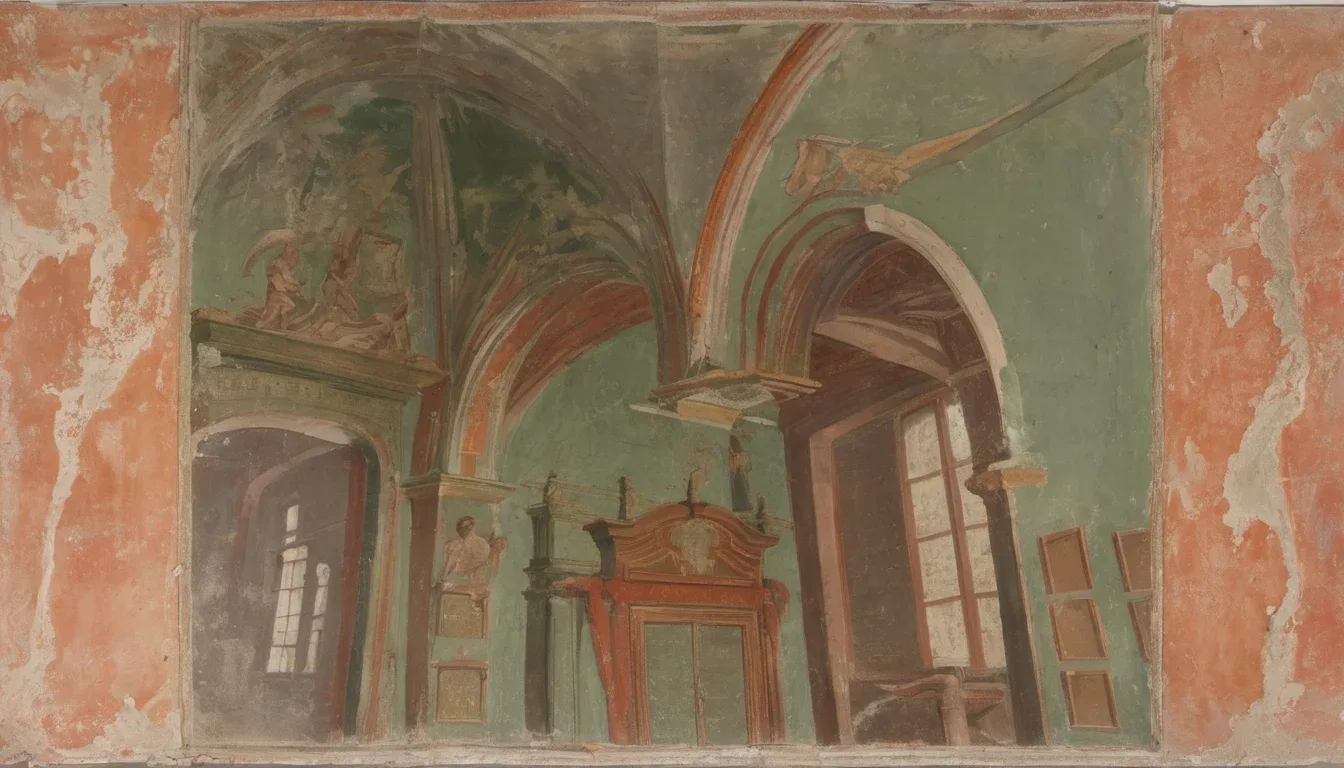
The basilica itself is one of Spain’s finest Romanesque churches. Its low, broad arches and the painted cycle of the Panteón Real draw pilgrims and travellers who follow the Camino de Santiago through León. The frescoes depict Christ in Majesty, the months of the year, and scenes from the Gospels, all in earthy ochres, dusty blues, and faded rose.
The pantheon’s stone sarcophagi hold generations of León’s monarchs, though the exact list remains partly unclear. The kings who knew León’s golden age—when the kingdom fought the Reconquista and shaped Spanish identity—lie in quiet company beneath the painted heavens.
León was never just a waypoint on the Camino de Santiago. For a few centuries, this city on the Bernesga and Torío rivers was the heart of a kingdom that invented European parliamentarism. The Real Colegiata de San Isidoro stands as its most intimate monument: a Romanesque basilica built over a pantheon of kings.
The story of León begins with Roman steel. Around 29 BC, the Legio VI Victrix set up camp here. Later, the Legio VII Gemina made it a permanent military settlement from AD 74. The city’s name itself comes from the Latin legio. After the Muslim invasion, the settlement shrank, but by 910 it had become the capital of the new Kingdom of León, one of the driving forces of the Reconquista.
It was in León, in 1188, that King Alfonso IX summoned the nobles, clergy, and representatives of the people together for the first recorded parliamentary assembly in Europe. UNESCO and the Junta of Castilla y León have since proclaimed it the cradle of parliamentarism. The kingdom also maintained its own currency well into the Renaissance and its own parliament until the 14th century.
The basilica of San Isidoro was built in the Romanesque style, one of the finest examples in Spain. Its architecture is sober and strong: thick walls, small windows, and a series of vaulted bays. But the real treasure is underground, in the Panteón Real, a low chamber whose ceiling is entirely covered in frescoes.
Those frescoes have earned the pantheon the nickname ‘Sistine Chapel of Romanesque art.’ The paint is remarkably preserved: ochre, dusty blue, and faded rose dominate. Christ Pantocrator sits at the centre, surrounded by angels and the symbols of the Evangelists. The vaults also show the labours of the months, a calendar of medieval rural life, and scenes from the life of Christ.
The pantheon serves as the burial place for León’s medieval kings. The exact identities of all those interred are not fully recorded, but among them is likely Ordoño II and other monarchs from the 10th and 11th centuries. The chamber also holds the tombs of many nobles and bishops.
In 931, King Alfonso IV of León abdicated to enter a monastery—only to repent and take up arms against his brother Ramiro II. He was defeated, blinded, and died in a cloister. His story echoes the turbulent politics of the kingdom that built this basilica. The pantheon remains a space of calm, far from the noise of the modern city.
Today León is a city of 124,028 people, a university town and a stop on the Camino de Santiago. The Real Colegiata de San Isidoro sees fewer visitors than the great cathedral, but those who come find the Romanesque art of the Panteón Real as vivid as any in Europe—a painted vault that holds a kingdom’s memory.