Museo Carlo Zauli
In Faenza, clay is not a souvenir. The city's artistic ceramics were so admired that maiolica became known worldwide as faience. That reputation did not happen overnight. It came from a place that kept remaking itself.
The story begins in Roman times, although the earliest origins are not precisely defined. Under the Manfredi family, Faenza entered a period of growth that peaked in the Renaissance and Baroque eras. Then, between the 18th and 19th centuries, it became a leading centre of Neoclassicism in Italy and Europe. The centre still shows those layers: much of its architecture is Neoclassical, but older pieces remain—a 9th- or 10th-century bell tower, a crypt from around 1000, a church from around 1100, and a cathedral begun in 1474 with an unfinished facade.
Treat Museo Carlo Zauli as the quiet prelude. The city is the larger exhibit. Cross Piazza del Popolo, where the Civic Tower rises at the crossing of the Roman cardo and decumanus. Follow the Via Emilia. The Lamone River and the foothills of the Apennines frame the town.
In October 2025, UNESCO named Faenza a Creative City for Crafts and Folk Art. That was not a novelty; the city's ceramic identity had already become a global word. A visit here is a way of watching that long tradition stay alive.
In Faenza, clay gave a city to the world. The local maiolica became so celebrated that a global term, faience, still carries the name. The museum that bears the name of Carlo Zauli is not the first thing made here; it is part of a long line of craft. The city around it explains why that line has held.
The settlement begins in Roman history, but its earliest origins are not precisely defined. There is an early mythological hypothesis, then a clearer record with the Roman conquest in the 2nd century BC. The Romans laid down the crossing of cardo and decumanus, and that geometry has survived. In the Middle Ages, the communal system took hold, and the Manfredi family became one of the most influential in the city. There were sieges, conflicts with Frederick II, and later papal control. By the 18th and 19th centuries, Faenza had turned into a leading centre of Neoclassicism in Italy and Europe.
Geography explains part of this. Faenza lies in the south-west of the Province of Ravenna, at the foot of the first slopes of the Apennines, along the Lamone River and the Via Emilia. It is roughly halfway between Imola and Forlì, 35 km from Ravenna and 55 km from Bologna. The elevation is modest—35 metres in the city—but the municipal territory rises to 220 metres. The landscape divides between vineyards on the hills and cultivated fields marked by traces of ancient Roman centuriation.
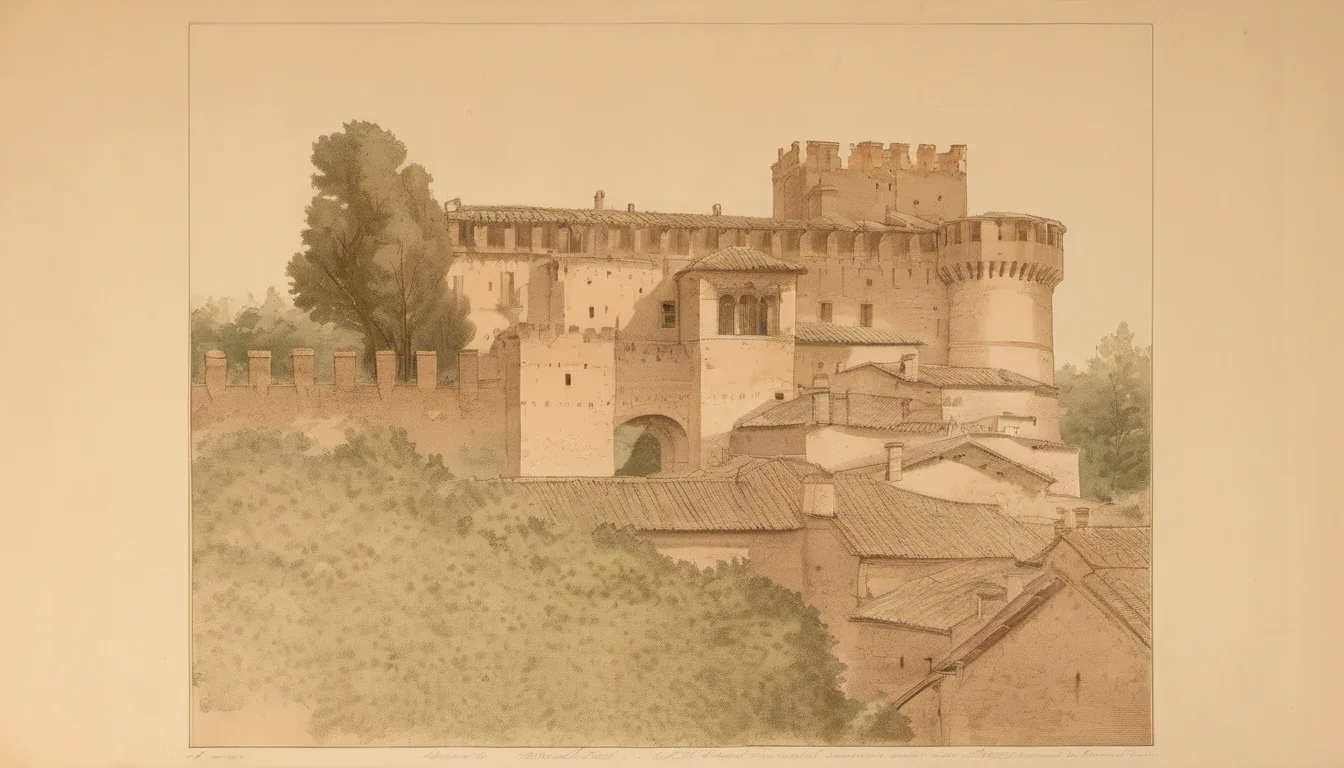
The centre reads like an anthology of survivals. The oldest wholly preserved church dates to around 1100. A bell tower survives from the 9th or 10th century. A crypt from around the year 1000 remains. The Cathedral of San Pietro Apostolo, designed by Giuliano da Maiano, was begun in 1474, consecrated in 1581, and never finished its facade. That unfinished facade is not a failure; it is a document of how long these projects took and how much history they carried.
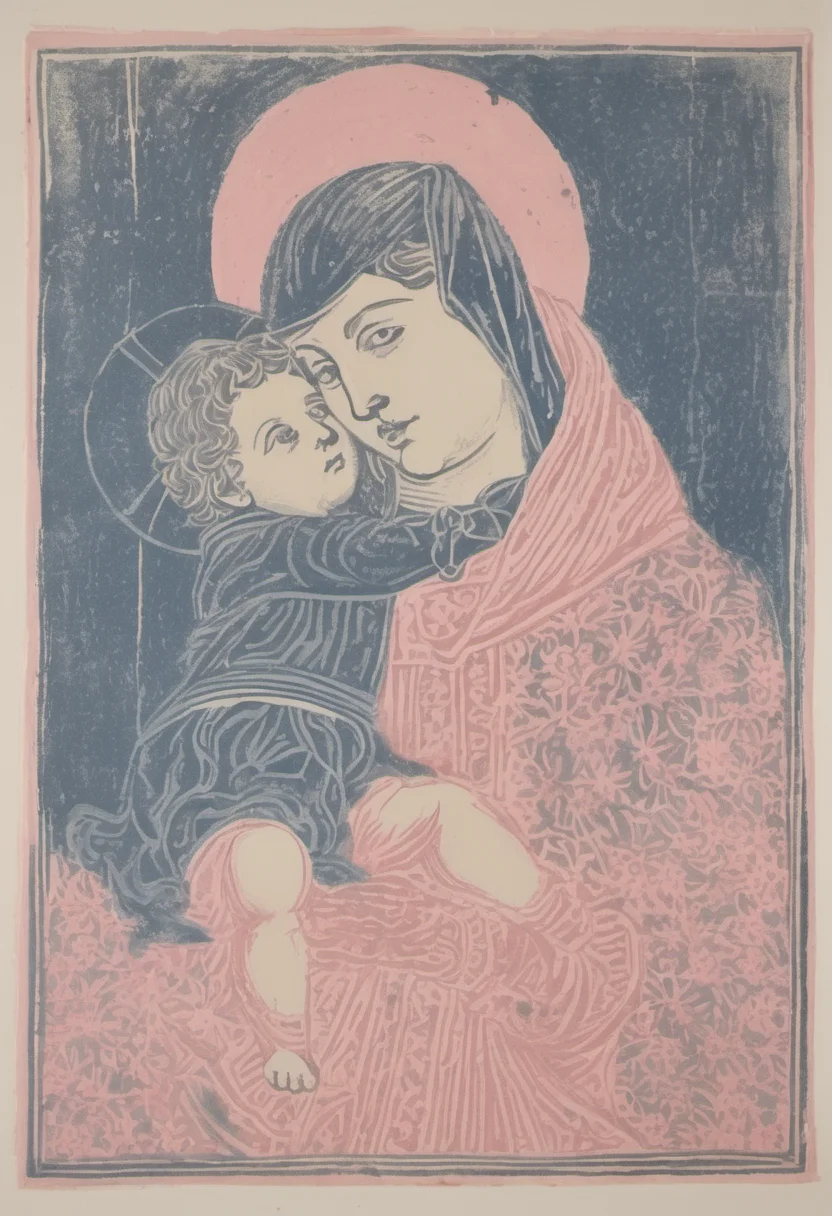
Start at the Civic Tower, at the entrance to Piazza del Popolo, where the old Roman lines cross. Its original design is attributed to Friar Domenico Paganelli, and work began in 1604 on a 16th-century rusticated base. The tower is quadrangular, five orders high, crowned with a dome. In a niche at its base, a marble Madonna with Child by Francesco Scala sits above a balcony with wrought iron and brass railing. This is the kind of detail that rewards a slow approach.
Museo Carlo Zauli is the thread that leads to all of this. Let the museum be a threshold. The surrounding streets carry the rest: Renaissance and Baroque architecture, Neoclassical transformations led by Pistocchi, Antolini and Tomba, cemeteries that double as open-air galleries. The Osservanza Cemetery holds tombs designed by Felice Giani, Lucio Fontana and Domenico Rambelli. The Faenza War Cemetery, known as the English Cemetery, quietly records the soldiers who died during the liberation campaigns of the Second World War.
That war marked the city. Faenza was bombed several times, then liberated by the Allies. It later received the War Cross of Military Valor for the sacrifices of its people and its role in the partisan struggle. The city also became an early champion of the European ideal, celebrating Europe Day among the first in Italy and receiving the Europe Prize in 1968.
The ceramics story has not fossilised. The local economy still links ceramic production with research in advanced materials, environmental sustainability, and agriculture and industry. The National Ceramic Council recognizes Faenza as an area with an established ceramic tradition. In October 2025, UNESCO named it a Creative City for Crafts and Folk Art. For the visitor, the meaning is simple: the craft that made the word faience is still in motion.