Museum Catharijneconvent
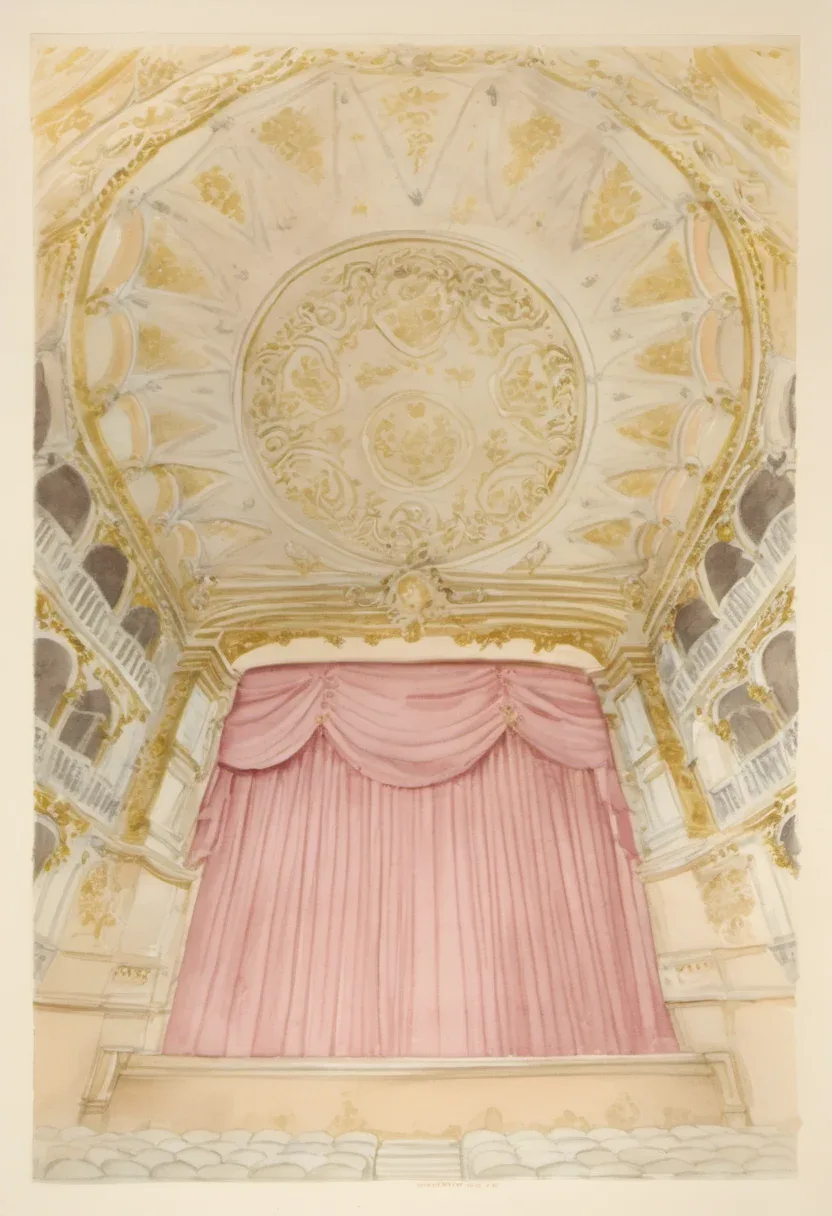
Utrecht’s Museum Catharijneconvent sits in a former St. Catharine convent, a building reclaimed for religious art since 1979. The collection spans from the early Middle Ages to the present, weaving together Protestant and Catholic narratives. It is a place where iconoclasm and devotion meet, housed in a structure that once housed nuns.
Among the treasures are the 9th-century chalice of Saint Lebuinus and carved ivories from Deventer. Paintings by Jan van Scorel and Pieter Saenredam represent Dutch Golden Age art, while modern works by Jan Toorop and Shinkichi Tajiri extend the story. Each piece reflects the Dutch relationship with faith, from ornate manuscripts to gold and silver ecclesiastical objects.
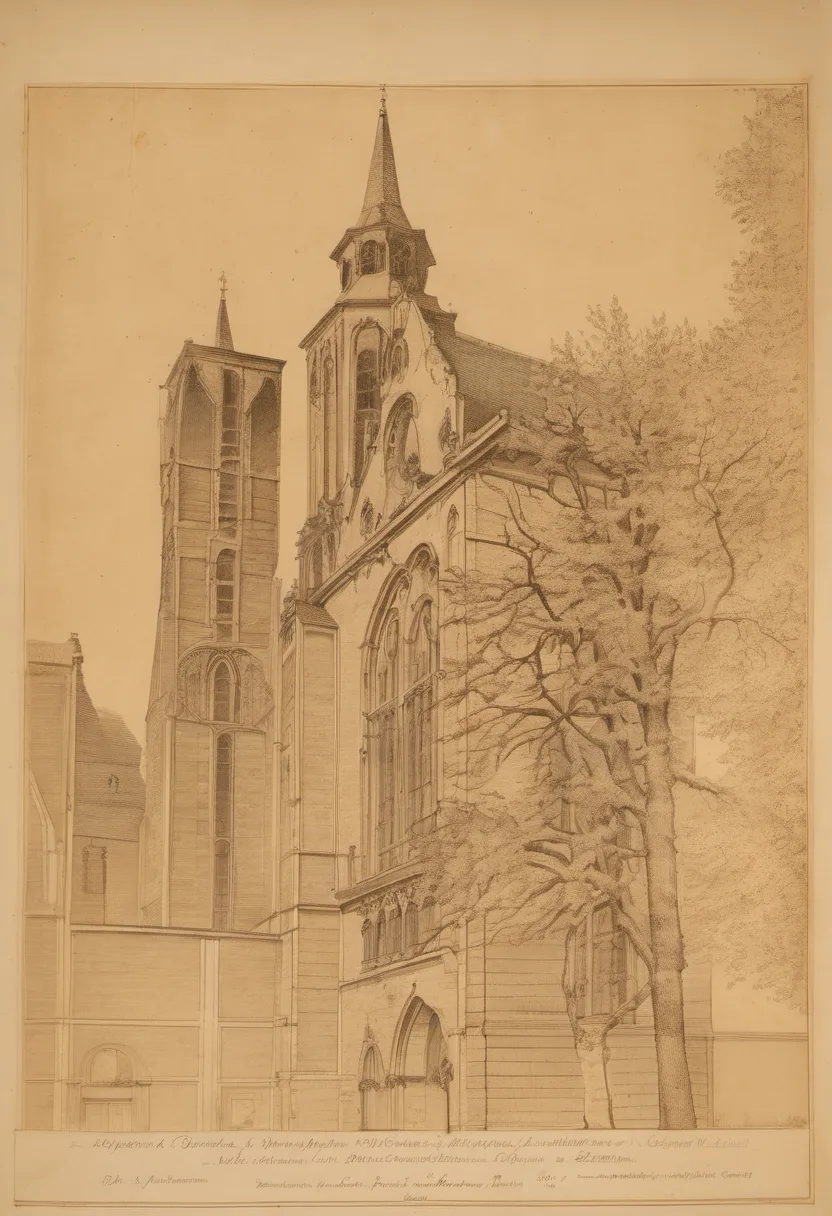
The city itself anchors the museum’s narrative. Utrecht’s Dom Tower, at 112 metres, is the tallest church tower in the Netherlands. The medieval canals of Oudegracht and Nieuwegracht line the centre, where the university’s 40,000 students keep the city vibrant. The museum is part of Utrecht Museum Night, a night of cultural exploration.
To walk through these halls is to trace the shifting currents of belief in the Netherlands. The convent’s quiet cloisters offer a respite, while the art provokes questions about power, piety, and identity. It is a museum for those who seek depth beyond the surface.
The Museum Catharijneconvent occupies the former St. Catharine convent in Utrecht, a city whose history is layered with Roman forts, medieval bishoprics, and the birth of the Dutch Republic. Since 1979, the museum has called this convent home, its collections once part of the Catholic Archbishopric. The building itself is a quiet witness to centuries of change.
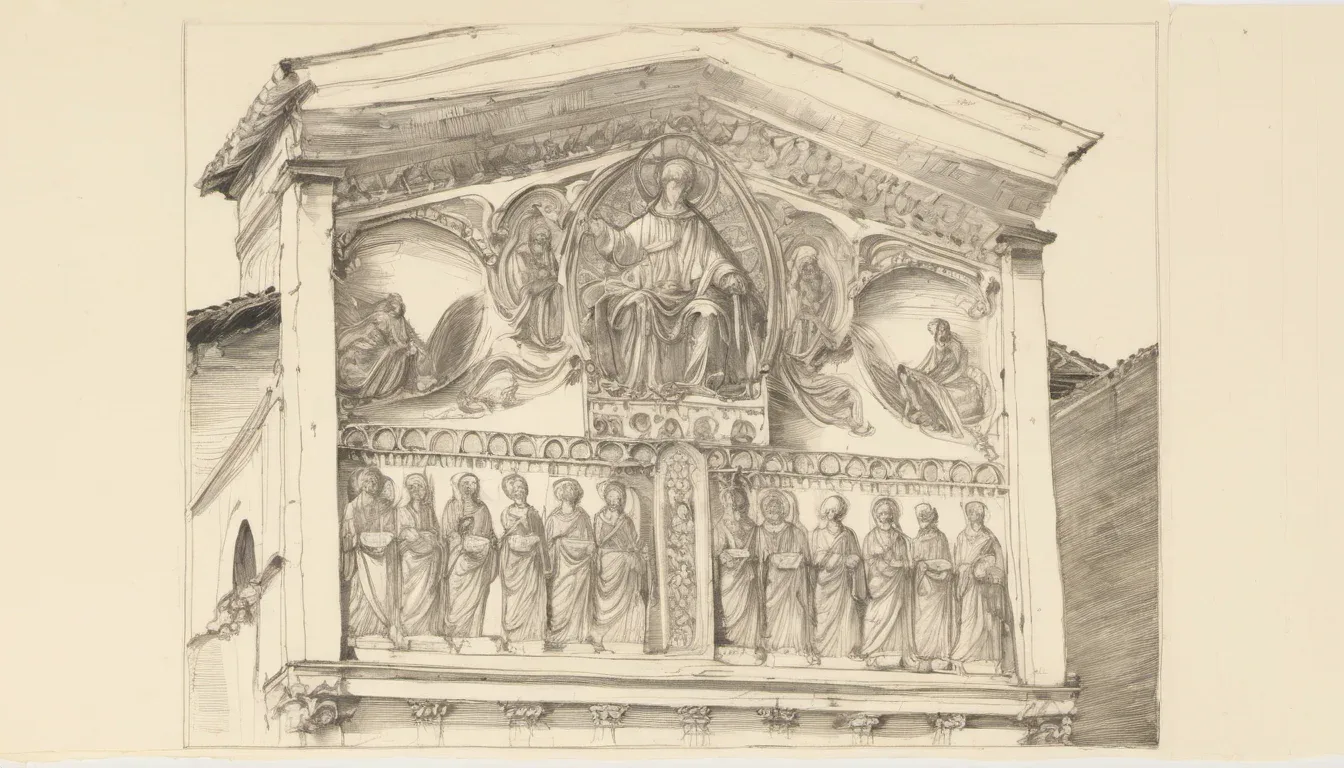
Its collection offers a panorama of religious art from the early Middle Ages to the present. The earliest object is the 9th-century chalice of Saint Lebuinus, a silver-gilt piece from Deventer. Carved ivories from the same church survive, delicate and rare. Manuscripts with richly illustrated pages and book-bindings studded with precious stones fill the galleries. Altarpieces, ecclesiastical gold and silver, and ornate vestments speak to the wealth and artistry of the Church.
What sets this museum apart is its pairing of Protestant and Catholic works. It does not favour one tradition but presents both as integral to Dutch cultural history. Paintings by Jan van Scorel and Pieter Saenredam capture the interior of churches stripped of ornament, while a later Catholic revival appears in works by Jan Toorop. The juxtaposition is telling: the struggle over images, the iconoclasm of the Reformation, and the quiet persistence of Catholic devotion.
More recent acquisitions extend the story. Artists such as Shinkichi Tajiri, Frans Franciscus, Guido van der Werve, and Marc Mulders represent the 20th and 21st centuries. Their works challenge and expand the definition of religious art, ensuring the museum remains a conversation, not a relic.
The museum sits in a city that was once the most important in the northern Netherlands. The Dom Tower, at 112.32 metres, dominates the skyline. Utrecht’s medieval canals – the Oudegracht and Nieuwegracht – are lined with terraces and shops. The university, the largest in the country, brings a youthful energy. The city’s history includes the Unie van Utrecht (1579), which laid the groundwork for the Dutch Republic, and the 1713 Treaty of Utrecht that ended the War of the Spanish Succession.
The St. Catharine convent was home to the museum of religious art of the Catholic Archbishopric until 1979. In 2006, the convent closed for restoration. Today it is one of several museums in Utrecht, part of the annual Utrecht Museum Night. The city itself is a railway hub, the central station connected to the largest shopping centre in the Netherlands, Hoog Catharijne.
Visiting the Museum Catharijneconvent is an exercise in looking closely. The objects demand attention not only as art but as evidence of belief systems that shaped a nation. The quiet of the cloisters contrasts with the bustle of the city outside. It is a place for those who value context and craft.