Biserica Sfântul Gheorghe, Patrăuți
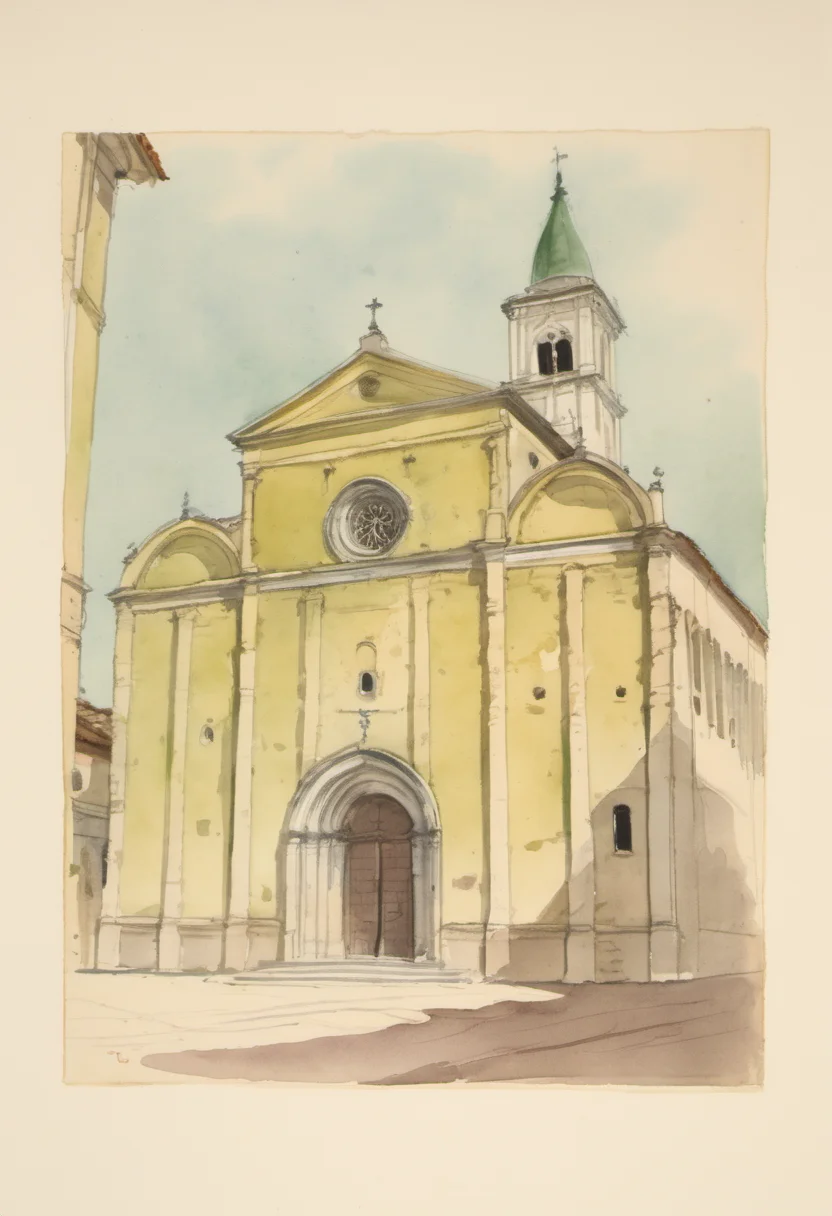
Look up at the stone walls. They are not bare. They are covered in frescoes. This is the defining feature of the Moldavian style. You are standing before a UNESCO World Heritage site. The north of the Moldavia region preserves numerous such buildings. They testify to an architectural tradition starting from the 14th century. But this one is special. It is one of eight churches in Suceava County listed by UNESCO. The listing happened in 1993. Another was added in 2010. That was the Church of the Resurrection within the Sucevița Monastery. These churches are not just structures. They are canvases.
The frescoes are on the outside. This is unique. Most churches keep their art inside. Here, the religious themes are exposed to the elements. The paintings represent complete cycles of religious themes. You can see the full story of the faith on the exterior walls. The style is authentic. It is a product of the Principality of Moldavia. The region was a crossroads of cultures. The art reflects that complexity. You are looking at a synthesis of Byzantine and local traditions. The colors may have faded. But the intent remains clear. The builders wanted the saints to watch over the land.
Consider the timeline. These churches were built from the late 15th century to the late 16th century. This was a turbulent time. The Ottomans were a constant threat. The princes of Moldavia used architecture as a statement of power. They built these churches to assert their sovereignty. Patrăuți is part of that legacy. It is a monument to resilience. The stone endures. The paint endures. The message endures. You are witnessing a survival of identity. The church stands as a witness to centuries of change.
Locals know these places well. They are not just tourist sites. They are part of the daily landscape. The frescoes are a point of pride. Scholars study them. Books are written about them. One notable work is by Kocój E., titled 'Temples, persons, icons.' It discusses the painted churches of South Bukovina. While Patrăuți is in the north, the style connects them. The book highlights how these images shape Romanian imagology. You are standing in a living museum. The community maintains the site. The tradition continues.
There is a mystery in the preservation. How do the frescoes last so long? The technique is specific. The pigments are mixed with lime. The stone is prepared carefully. It is a craft passed down through generations. You might wonder about the legends. There are stories of the painters working in secret. Or of miracles associated with the icons. These stories add depth to the visual experience. You are not just seeing art. You are feeling the history. The silence here is heavy with meaning. Listen to the wind. It carries the whispers of the past.
Look up at the stone walls. They are not bare. They are covered in frescoes. This is the defining feature of the Moldavian style. You are standing before a UNESCO World Heritage site. The north of the Moldavia region preserves numerous such buildings. They testify to an architectural tradition starting from the 14th century. But this one is special. It is one of eight churches in Suceava County listed by UNESCO. The listing happened in 1993. Another was added in 2010. That was the Church of the Resurrection within the Sucevița Monastery. These churches are not just structures. They are canvases.
The frescoes are on the outside. This is unique. Most churches keep their art inside. Here, the religious themes are exposed to the elements. The paintings represent complete cycles of religious themes. You can see the full story of the faith on the exterior walls. The style is authentic. It is a product of the Principality of Moldavia. The region was a crossroads of cultures. The art reflects that complexity. You are looking at a synthesis of Byzantine and local traditions. The colors may have faded. But the intent remains clear. The builders wanted the saints to watch over the land.
Consider the timeline. These churches were built from the late 15th century to the late 16th century. This was a turbulent time. The Ottomans were a constant threat. The princes of Moldavia used architecture as a statement of power. They built these churches to assert their sovereignty. Patrăuți is part of that legacy. It is a monument to resilience. The stone endures. The paint endures. The message endures. You are witnessing a survival of identity. The church stands as a witness to centuries of change.
The architectural style is known as the Moldavian style. It developed in the Principality of Moldavia. The churches are built of stone. The walls are thick. The roofs are steep. The bell towers are integrated into the structure. The exterior decoration is the key. The frescoes cover the entire surface. They are not just decorative. They are didactic. They teach the illiterate. They remind the faithful. The themes are biblical. They include the Last Judgment. They include the lives of saints. The composition is dynamic. The figures are expressive. The colors are vivid. The technique is masterful.
The UNESCO listing recognizes the outstanding universal value. The criteria are clear. The churches represent a masterpiece of human creative genius. They exhibit an interchange of human values. They are an outstanding example of a type of building. They are associated with events of outstanding significance. The listing in 1993 was a milestone. It brought international attention. It ensured preservation. It raised awareness. The addition of Sucevița in 2010 completed the set. The eight churches form a coherent group. They share a common style. They share a common history. They share a common destiny.
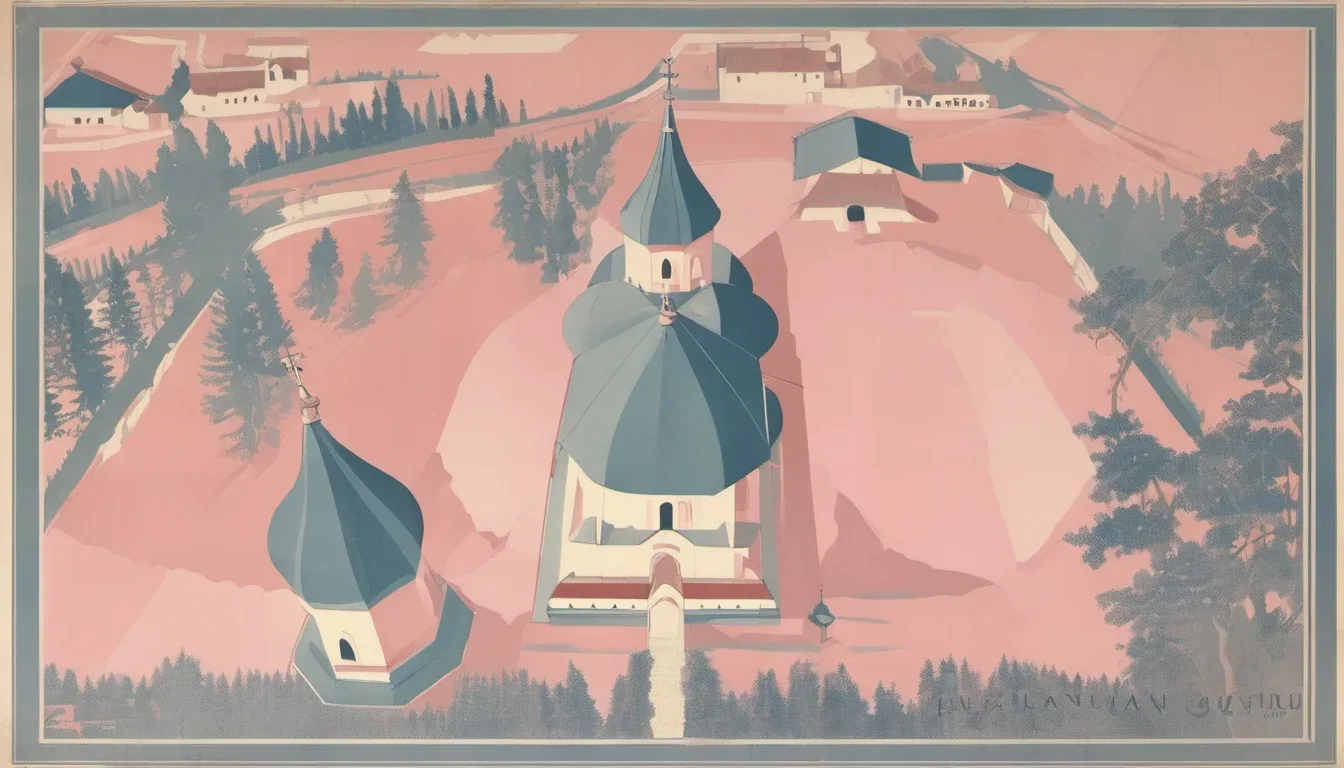
The region of Bucovina is part of Moldavia. It is in the north. The landscape is mountainous. The villages are scattered. The churches are landmarks. They are visible from afar. They guide the traveler. They mark the sacred spaces. The community builds them. The community maintains them. The community prays in them. The connection is deep. The church is not separate from life. It is part of it. The frescoes reflect the local culture. They show the patrons. They show the donors. They show the craftsmen. They are a mirror of society.
Scholars have studied these churches extensively. One important work is by Kocój E. The title is 'Temples, persons, icons.' It focuses on the painted churches of South Bukovina. The book discusses their role in Romanian imagology. It analyzes the visual culture. It explores the national identity. The work is from 2006. It is published by the Jagiellonian University Press in Kraków. It contains 444 pages. It includes 120 photos. The scholarship is rigorous. The insights are profound. You are standing in a place of study. The academic interest is high. The cultural significance is undeniable.
The political context is crucial. The Principality of Moldavia was a buffer state. It faced pressure from the Ottomans. It faced pressure from Poland. It faced pressure from the Habsburgs. The princes navigated these threats. They used religion as a tool. They built churches to legitimize their rule. They used art to project power. The frescoes are a form of propaganda. They show the prince as a defender of the faith. They show the church as a pillar of the state. The message is clear. The ruler is chosen by God. The people are protected by saints.
The artistic context is also rich. The Byzantine tradition is strong. The iconography is standard. But the execution is local. The painters adapt the models. They add local details. They use local materials. The result is a unique style. It is neither purely Byzantine nor purely Western. It is a hybrid. It is a synthesis. It is a testament to creativity. The frescoes are not static. They evolve over time. They reflect changing tastes. They reflect changing theology. They reflect changing politics. The layers of paint tell a story. The story is complex. The story is compelling.
There are legends associated with these churches. Some say the painters worked in secret. Others say the pigments were made from rare ingredients. Some claim the frescoes have healing powers. These stories are part of the local lore. They add a layer of mystery. They enhance the experience. You might hear them from the locals. They are passed down through generations. They are not verified. But they are believed. They give the place a soul. They make it more than stone and paint. They make it sacred.
The preservation is an ongoing challenge. The elements are harsh. The sun fades the colors. The rain erodes the stone. The pollution damages the paint. Conservation efforts are necessary. Experts work to restore the frescoes. They use traditional techniques. They respect the original intent. The goal is to preserve the heritage. The goal is to share it. The goal is to inspire. You are part of this process. Your visit supports the preservation. Your interest validates the effort. The church survives because people care. The story continues because people listen. The legacy endures because people remember.