Lotrščak Tower
At noon, a cannon fires from a stone tower above Zagreb's Upper Town. It has done so every day since the first of January 1877, and the sound still rolls down over Gornji Grad into the streets below, on schedule, whether anyone below is ready for it or not. The tower is Lotrščak, and this small daily detonation is the closest thing the old town has to a clock striking.
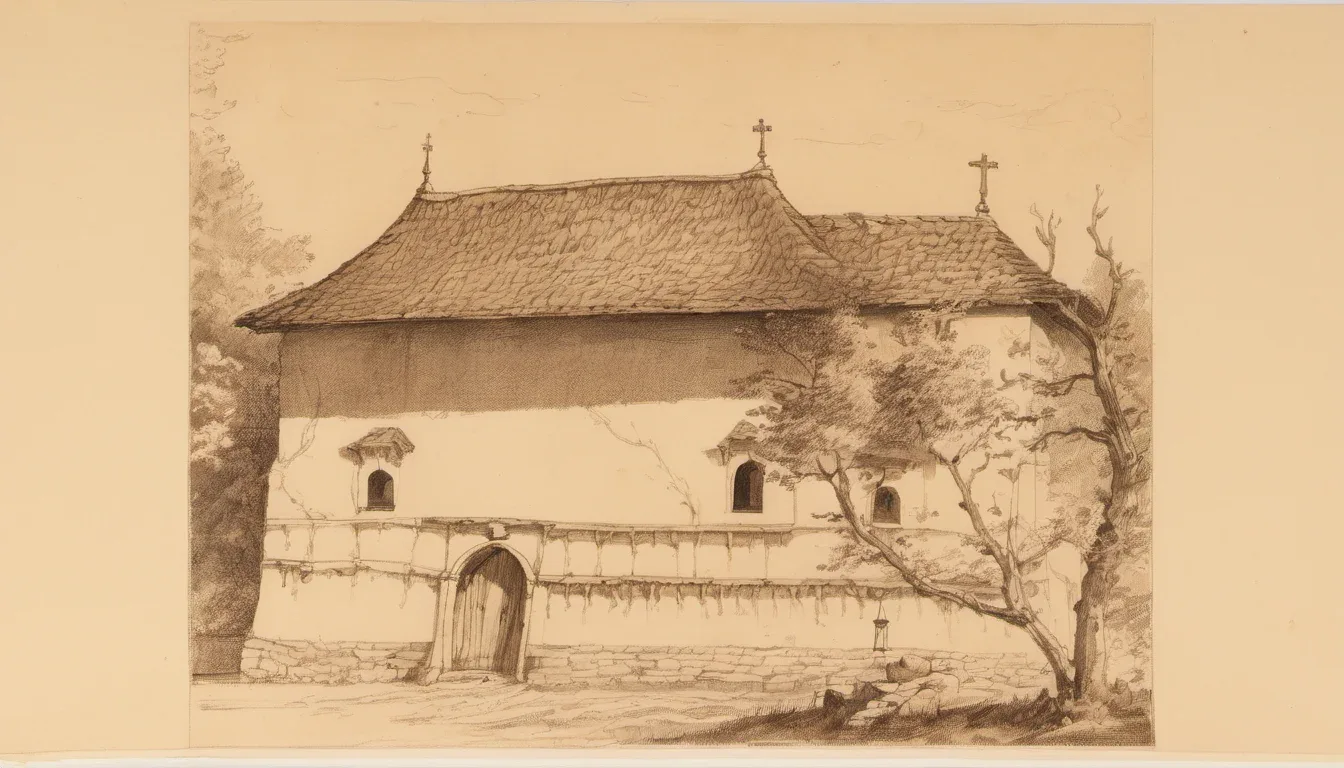
Lotrščak was not built for noise. It went up in the 13th century as a defensive tower, part of the wall that ringed Gradec, guarding the settlement's southern gate. Its job was the plainest kind: watch the approach, sound a warning if trouble came, and stand there the rest of the time doing nothing more dramatic than being solid. For most of its early life it was exactly that — a working watch post, stone and narrow, unremarkable except for what it protected.
Its name tells a better story than its walls do. Kula Lotrščak comes from the Latin campana latrunculorum, the thieves' bell. In 1646, a bell was hung inside the tower for exactly that purpose: to ring out each evening and mark the closing of the town gates, a warning to anyone still outside that the hour of safety had passed. The bell is long gone, but the name it left behind still carries that small charge of curfew and consequence.
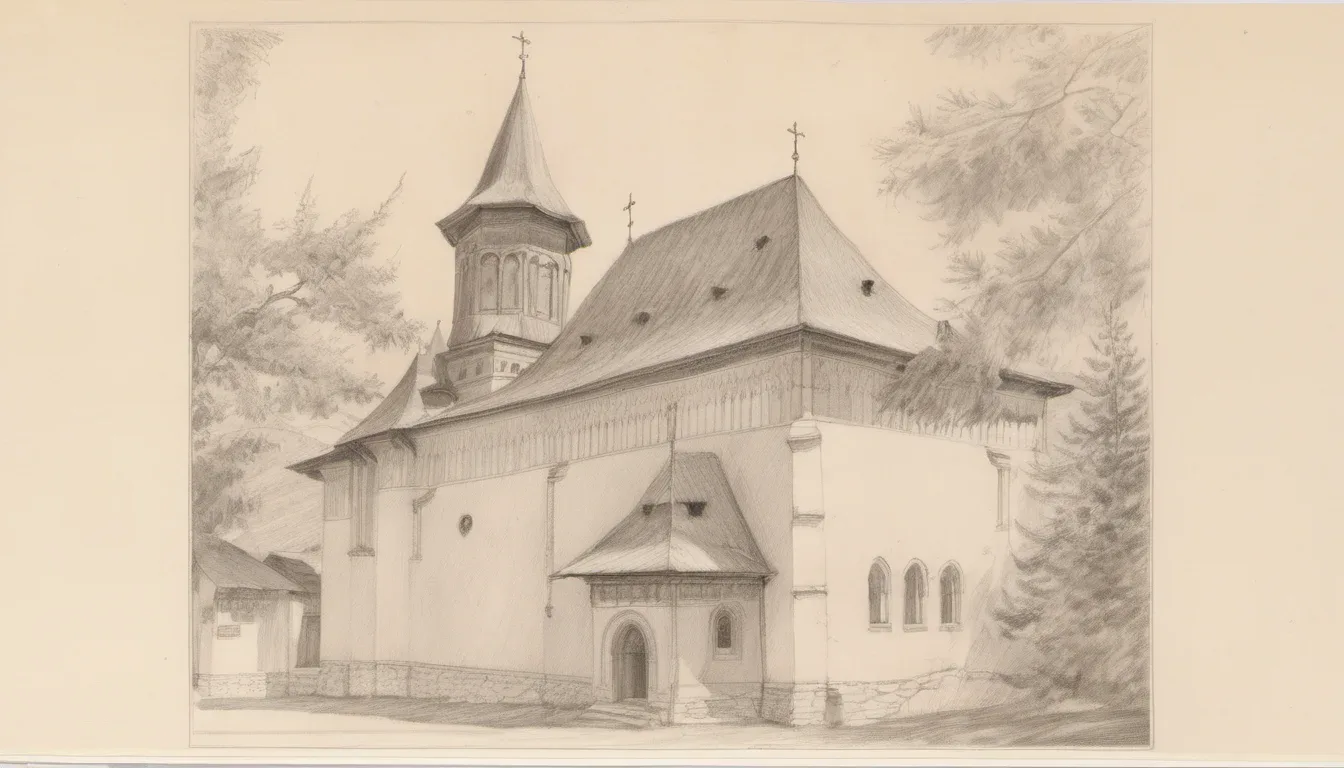
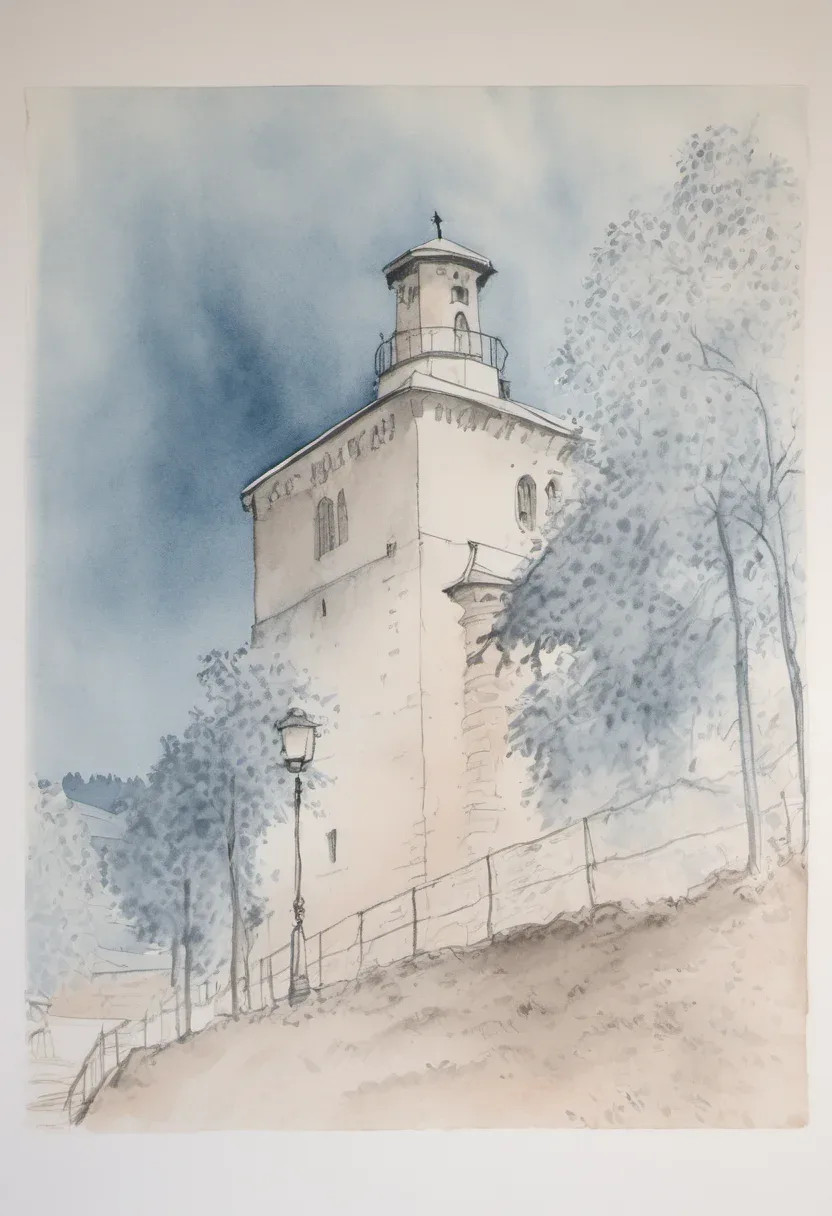
The tower's present shape is younger than its purpose. In the 19th century, builders added a fourth floor and cut new windows into the old stonework, and a cannon went in at the top — the Grič cannon, Grički top, one of the most recognisable landmarks on the hill. From 1 January 1877 onward, that cannon has fired at noon, and its shot became the city's timekeeper: church bell-ringers across Zagreb listened for the blast from Grič and rang their own bells in answer, syncing the town's hours to a single detonation fired from what had once been a lookout built to watch for trouble, not announce it.
There is, by all accounts, more to Lotrščak than this — a story the tower has picked up somewhere along the way, the kind older buildings tend to collect. What it actually is isn't spelled out here, only that it exists, and that it's asked about with a half smile, as if everyone else already knows the answer and you're the last to catch up. The honest way to find out is to be standing under the tower yourself, a minute before noon, waiting for the cannon, and to ask someone local afterward.
At noon, without fail, a cannon fires from a tower above Zagreb's Upper Town. It has fired at that hour every day since the first of January 1877, long enough now that it reads less like an event than a fact of local life, the kind of thing residents stop hearing the way you stop hearing a clock on your own wall. Visitors hear it. The blast rolls off the stone of Lotrščak, over the rooftops of Gornji Grad, down toward the lower town, and for one second the whole hill seems to hold still around it.
The tower predates the ritual by some six centuries. Kula Lotrščak, in Croatian, dates to the 13th century, raised in Gornji Grad, the old upper town, as part of the fortifications of Gradec. Its specific job was to guard Gradec's southern gate: one tower among the defences of a walled medieval settlement, doing the unglamorous work of watching a single approach, day after day, for as long as the wall around it still meant something.
There is no drama recorded in that job, and that is the point of a watch tower done well. Whoever stood in Lotrščak in its first centuries was there to see trouble before it arrived at the gate below, and not, ideally, to do much else. A tower like this earns its keep by being boring: by standing, by watching, by being exactly where it was built to be every single day, gate after gate, season after season. Nothing about its surviving record suggests it was ever tested by anything more dramatic than time itself.
What survived instead is the name, and the name is the best story the historical record actually gives us. Kula Lotrščak comes from the Latin campana latrunculorum — the thieves' bell. Campana is simply bell; latrunculorum belongs to thieves, or brigands, or those the town wanted kept firmly on the wrong side of its walls after dark. Somewhere in that phrase is a whole vanished system of nighttime rules, compressed now into a single word that most people who say it have never unpacked.
The bell itself was real and specific: hung in the tower in 1646, rung each evening to signal the closing of the town gates. It was not decorative. When it sounded, Gradec's gates shut, and whoever was still outside them stayed outside them until morning. The bell is gone. The consequence it once enforced is gone. The name is what's left — Kula Lotrščak, the tower of the thieves' bell — still doing a small, quiet job of reminding you that a curfew used to live here.
Lotrščak spent centuries as that kind of quiet fixture, and then, in the 19th century, it changed. Builders added a fourth floor to the tower and cut new windows into stone that had been designed to keep people out rather than let light in. The alteration is still legible if you look for it: an older, plainer base carrying a taller, more finished top, two different centuries stacked on top of each other and left visible rather than smoothed away.
Onto that new top floor went a cannon — the Grič cannon, Grički top — and it has since become one of Zagreb's genuine landmarks, mentioned in the same breath as the tower itself. It sits at the summit of Grič, the hill that gives the gun its name, in a spot that had spent centuries watching for threats and now, instead, marks the hour.
Since the first of January 1877, that cannon has fired at noon, and the firing was never just theatre. Its original job was practical: to give the city's church bell-ringers an exact signal for midday, so that every parish could set its own bells by a single, shared shot instead of by guesswork or drift. A watch tower that once protected one gate became, in effect, the instrument that kept the whole city's churches ringing in time with each other — a promotion from guarding a single approach to setting the rhythm of an entire town.
The cannon still fires on that same schedule today, the same shot, the same hour, decades and generations past the point where anyone was setting a church bell by it. It has become tradition doing the work that necessity used to do — a fairly common way for a landmark to survive, the original reason receding while the habit itself simply keeps going.
And then there is the other thing about Lotrščak, the part that resists a tidy summary: the sense, widely shared in Zagreb, that there's a specific story attached to this tower beyond its bare chronology of dates and floors and firings. People ask each other whether they know it, the way you'd ask about a piece of local lore everyone is assumed to have picked up eventually. What that story actually contains isn't something the historical record used here spells out — only that it exists, that it circulates, and that the tower has clearly earned itself a place in the city's imagination well beyond its function as a very punctual gun platform.
That's reason enough to go, quite apart from the noon spectacle. Walk up into Gornji Grad, find the tower where Gradec's southern gate used to be, and look at the seam in the stonework where the 13th century ends and the 19th begins. Time it, if you can, so you're standing there just before midday, close enough to feel the cannon rather than just hear it. And then ask someone local about the story. Chances are they'll smile before they answer, which is usually a sign the story is worth hearing.