Palazzo Comunale di Macerata
Macerata rises on a hill between the Chienti and Potenza rivers, its historic centre ringed by medieval walls. At its heart, Piazza della Libertà opens onto the Palazzo Comunale, a quiet civic stage anchored by the Loggia dei Mercanti – a two-tier Renaissance arcade built in 1504–1505 and attributed to Cassiano da Fabriano.
The square is a natural pause. You can stand under the loggia’s arches and watch the city’s daily life drift by. Nearby, Corso Matteotti is lined with palazzi, among them Palazzo dei Diamanti. The University of Macerata, founded in 1290, fills the surrounding streets with students and a learned calm that has defined the city for centuries.
The Palazzo itself has witnessed the city’s evolution: from its 1138 founding as a comune to its strengthening under Pope John XXII in 1320. It survived French looting in 1799 and later the Risorgimento, when Garibaldi and Victor Emmanuel II both passed through. Today, it remains the seat of local governance, unassuming yet essential.
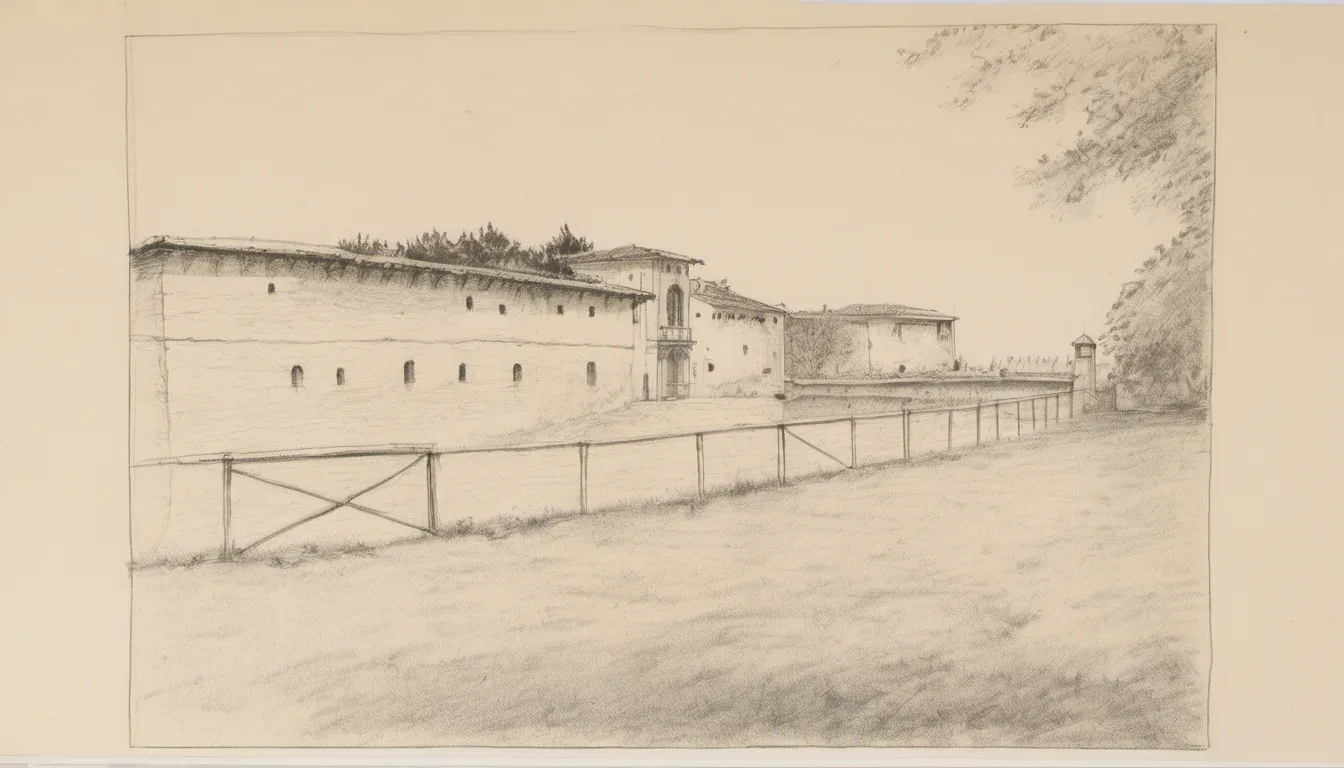
Macerata is a city that wears its history lightly. Perched on a hill at 314 metres above sea level, it looks out over the Potenza and Chienti valleys, 21 kilometres inland from the Adriatic. The historic centre, enclosed by medieval walls, climbs and narrows in ways that reward wandering. At its axis: Piazza della Libertà and the Palazzo Comunale.
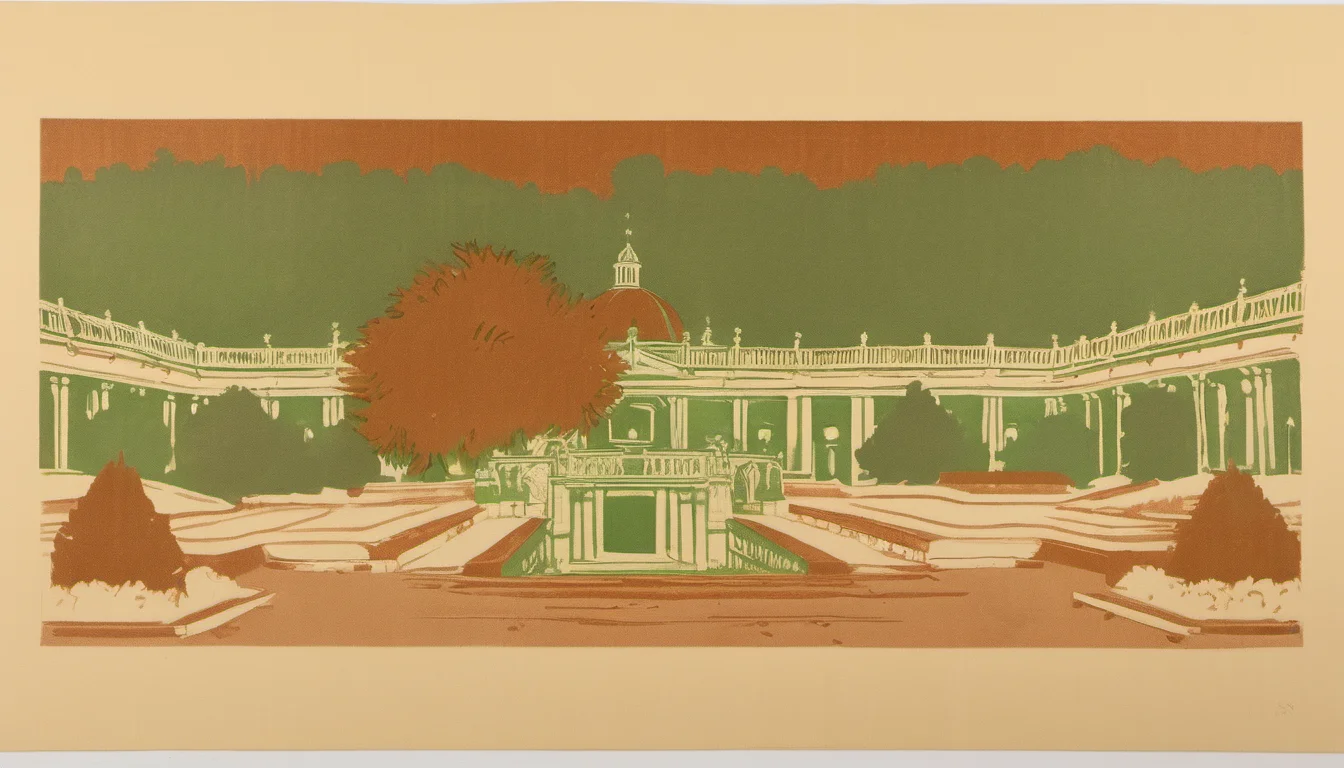
The Palazzo’s most visible feature is the Loggia dei Mercanti, a two-tier Renaissance arcade built from 1504 to 1505. Designed by Cassiano da Fabriano, with Matteo Sabatini, it was a merchants’ loggia – a place for trade and civic exchange. The double arcade gives the square a rhythm of light and shadow, and remains the city’s most photographed angle.
The comune itself dates to August 1138. In 1320, Pope John XXII transferred the episcopal see to Macerata, strengthening its standing within the Papal States. The city grew, and in the 16th century its defensive walls were reinforced with bastioned fortifications by Cristoforo Resse da Imola. The Loggia was part of this civic flowering.
Inside the Palazzo, you won’t find a museum – but the city’s story is written in nearby buildings. The Biblioteca Comunale Mozzi Borgetti, housed in a former Jesuit seminary on Piazza Vittorio Veneto, holds centuries of documents. The Palazzo Buonaccorsi, a few steps away, contains the civic art museum, including Carlo Crivelli’s Renaissance Madonna and Child and the frescoed Sala dell’Eneide.
The University of Macerata, founded in 1290, permeates the city. Its 13,000 students, two publishing houses, and jazz clubs keep the centre lively yet unhurried. In 1574, the scholar Gerolamo Zoppio founded the Accademia dei Catenati here, a literary academy that endured for centuries.
Macerata was not immune to Europe’s convulsions. In July 1799, French troops looted the city after the anti-French insorgenze. During the Risorgimento, Giuseppe Garibaldi was in Macerata from 1 January 1849, and Victor Emmanuel II passed through in October 1860. The plebiscites that November brought the Marche into the Kingdom of Italy. The Palazzo Comunale stood through it all, a quiet witness.
Just north of town, the ruins of Helvia Recina – the Roman settlement that preceded Macerata – lie near Villa Potenza. Destroyed by barbarians, its survivors fled to the hills and rebuilt. That resilience defines Macerata. Today, the Palazzo Comunale is not a monument you visit so much as a place you pass through, where the city’s pulse is still felt in the arcade’s shade.