Pinacoteca Nazionale di Bologna
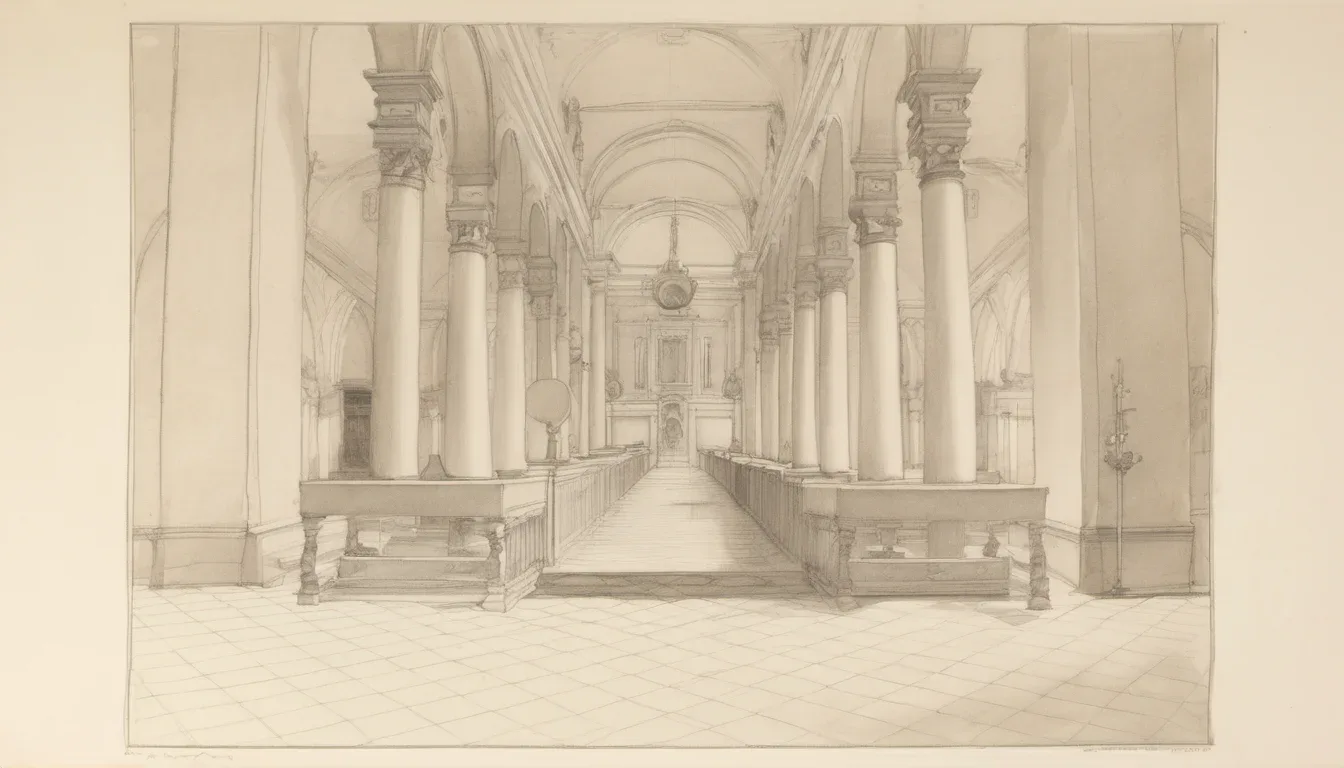
The Pinacoteca Nazionale di Bologna sits in the university district, in the former Jesuit novitiate of Saint Ignatius. Alfonso Torreggiani designed the building in 1726; the Academy of Fine Arts still shares it. Inside, the collection moves from 13th-century panels to 18th-century Emilian painting, with rooms that keep the quiet rhythm of a religious house.
The seeds were planted in the 18th century. Monsignor Zambeccari bought eight early Renaissance altarpieces rescued from the demolition of Santa Maria Maddalena in 1762. In 1776, a dozen 13th-century altarpieces and Byzantine icons came from Urbano Savorgnan's legacy. Both groups were preserved by the Accademia Clementina, the artistic section of the Istituto delle Scienze. According to Luigi Crespi, Cardinal Prospero Lambertini—the future Benedict XIV—had planned a gallery for the city's altarpieces.
Napoleon gave the collection its shape. After 1796, the new Cispadane Republic suppressed churches, convents and guilds. Some paintings were looted and exported; the Bolognese senate gathered the rest into one collection of almost one thousand works, first at St Vitalis, then from 1802 in the novitiate of Saint Ignatius. When Napoleon fell in 1815, many works returned from the Louvre, and Leandro Marconi made the first enlargement.
The permanent collection reads like a civic honor roll: Raphael's The Ecstasy of St Cecilia, Perugino's Madonna in Glory with Saints, Cima da Conegliano's Madonna and Child, Guido Reni's Pala del Voto and Massacre of the Innocents, and Annibale Carracci's Madonna and Child with Saints. In the late 1960s, detached frescoes from Sant'Apollonia di Mezzaratta were installed in the Salone del Rinascimento. The museum opened to the public in 1875, became independent from the Academy in 1882, and was renovated in 1997.
In Bologna's university district, the Pinacoteca Nazionale fills a building made for silence. The former Jesuit novitiate of Saint Ignatius, constructed in 1726 by Alfonso Torreggiani, later became a strange double home: the Academy of Fine Arts and a national painting collection under one roof. It covers seven centuries of Emilian art.
The origin story begins in the 18th century with a cardinal and a salvage operation. According to art historian Luigi Crespi, Cardinal Prospero Lambertini—the future Pope Benedict XIV—imagined a gallery for the altarpieces dispersed through city churches. In 1762, Monsignor Zambeccari acquired eight early Renaissance altarpieces from the demolition of Santa Maria Maddalena. In 1776 another dozen works, 13th-century altarpieces and Byzantine icons from Urbano Savorgnan's legacy, were bought. Both were intended for the Accademia Clementina, the artistic section of the Istituto delle Scienze.
There was also a second conservation pole in the city. The Appartamento del Gonfaloniere in the Palazzo Pubblico had been collecting works since the late 16th century for their civic significance. It held Raphael's The Ecstasy of St Cecilia, Cima da Conegliano's Madonna and Child, works by Lorenzo Costa, Francesco Francia, Pietro Perugino and Annibale Carracci, and Guido Reni's Pala del Voto. Another Reni, the Massacre of the Innocents, dates from 1611.
Revolution changed the collection's logic. After 1796 and the Napoleonic occupation, Bologna entered the Cispadane Republic, and the new regime suppressed convents, churches, and guilds. The authorities removed paintings from many institutions; some were looted and sent elsewhere. The Bolognese senate decided to merge the paintings from suppressed churches and convents with the Accademia delle Scienze holdings into one collection of almost one thousand works.
That collection was first set up in the former Convent of St Vitalis. In 1802 it moved to the former Jesuit novitiate in Borgo della Paglia, now via delle Belle Arti 56, to serve as the gallery of the newly created National Academy of Fine Arts. With Napoleon's fall in 1815, many works seized by the French came back from the Louvre, and the first enlargement was carried out by Leandro Marconi. In 1826 Gaetano Giordani compiled the first catalogue.
The museum kept growing by absorbing the spaces around it. In 1844 it took in the convent chapel, whose ceiling frescoes show the Apotheosis of St Ignatius of Loyola. Between 1867 and 1868, more paintings arrived from further suppressions. It opened regularly to the public in 1875, became autonomous from the Academy in 1882, and acquired the Zambeccari Collection in 1884. Enrico Panzacchi directed it from 1891 to 1896.
The 20th century added a new wing under Edoardo Collamarini and, in the late 1960s, a Salone del Rinascimento designed by Leone Pancaldi under superintendent Cesare Gnudi. That room was made to hold detached frescoes from the Sant'Apollonia di Mezzaratta church. In 1997, the gallery was fully renovated to European standards, with dedicated temporary exhibition space and educational activities.
It remains a place where civic pride and religious art are difficult to separate. The altarpieces once guarded in the Palazzo Pubblico still carry the weight of that responsibility. You can read the collection as a history of Bologna through its painters—or simply stand in a room where a Jesuit novitiate became a gallery for the city.