Sferisterio di Macerata
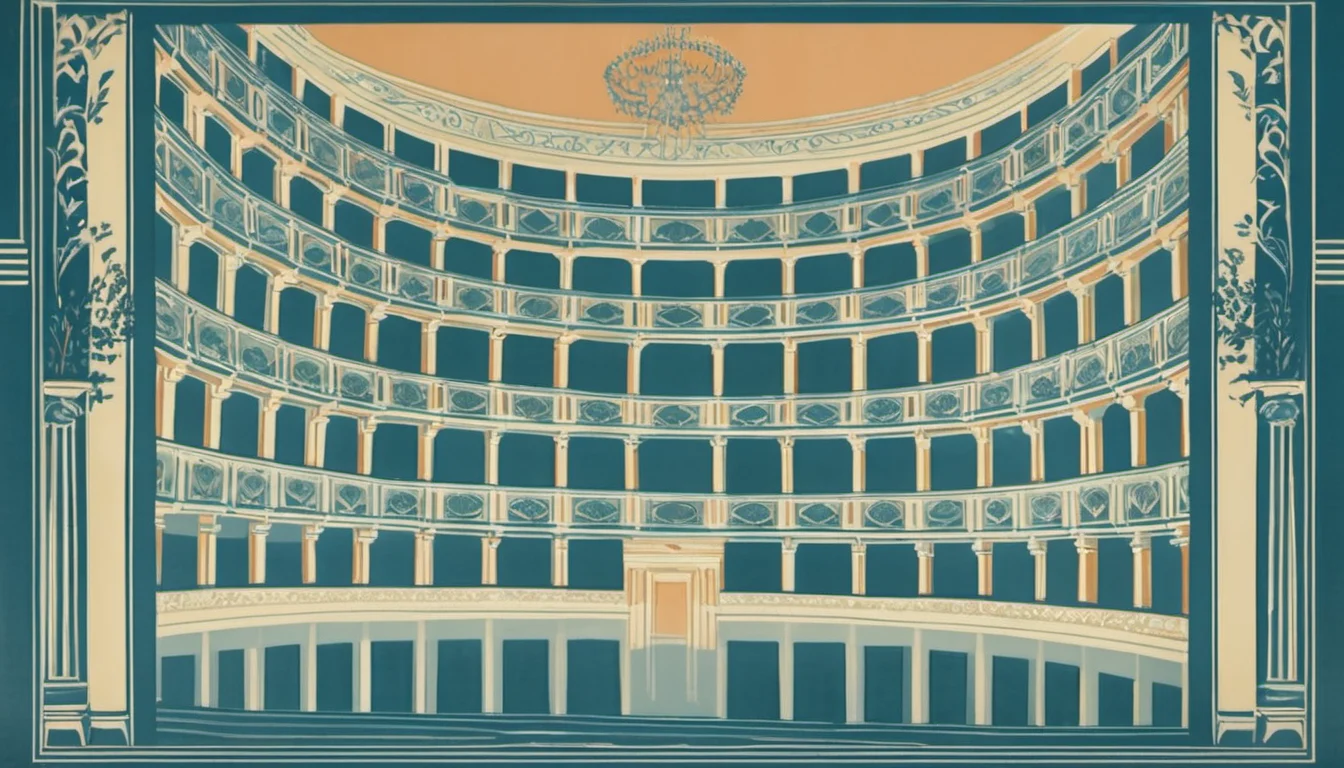
The Sferisterio is a neoclassical open-air arena built in the 19th century in Macerata, a hilltop city in the Marche. It later became a venue for summer opera, and today its arcaded walls frame performances under the stars. The arena sits quietly until evening, when the seats fill with audiences.
Macerata's history is layered. The city was rebuilt on the hills after the destruction of Roman Helvia Recina by barbarians. It became a comune in 1138, and in 1320 the pope transferred the episcopal see here, strengthening its status. The University of Macerata, founded in 1290, adds a scholarly air. The historic centre is enclosed by medieval walls, with palazzi such as Palazzo dei Diamanti and the Loggia dei Mercanti from the Renaissance.
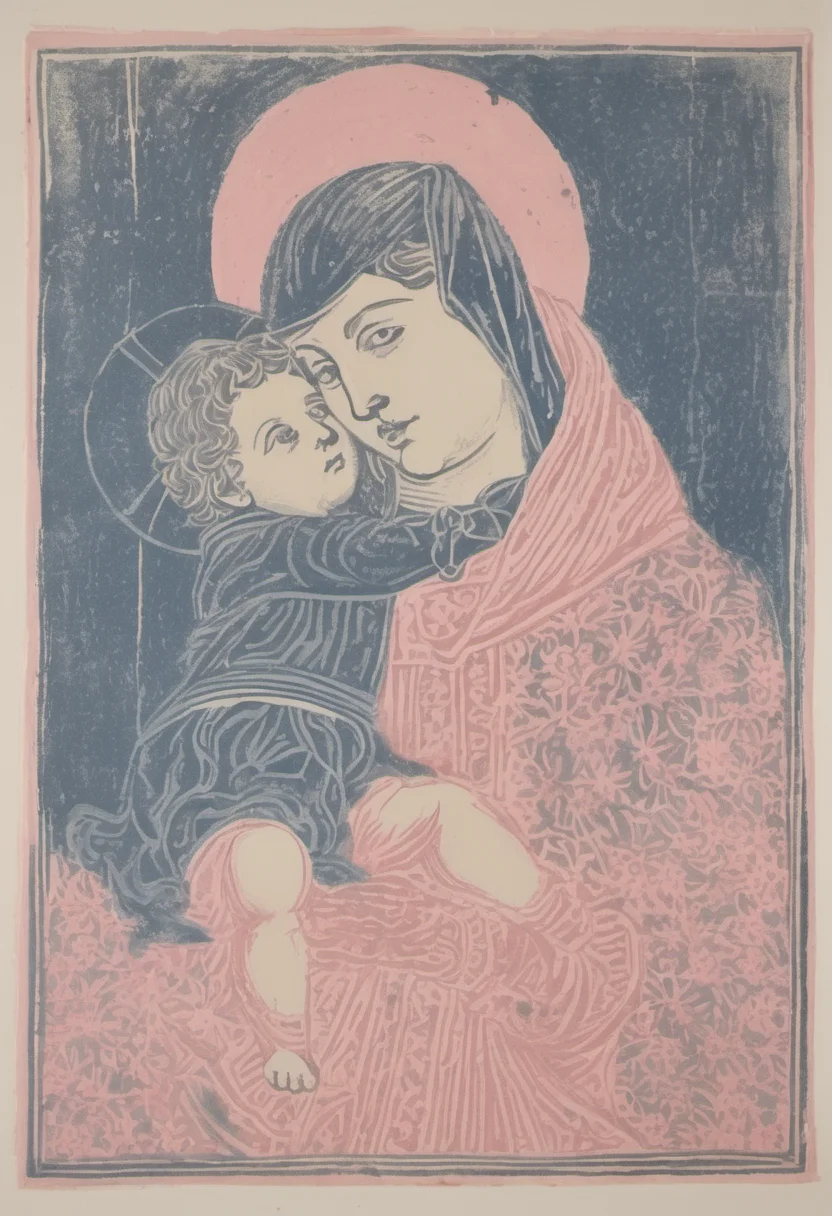
For visitors, the Sferisterio is the draw, but the city offers more. The civic art museum in Palazzo Buonaccorsi contains the Sala dell'Eneide with frescoes and the Renaissance Madonna and Child by Carlo Crivelli. The Biblioteca Comunale Mozzi Borgetti, in a former Jesuit seminary, is a quiet refuge. The Duomo of San Giuliano served as the cathedral until 2023. Summer evenings in Macerata are best spent at the Sferisterio, listening to opera.
The Sferisterio di Macerata is a neoclassical open-air arena built in the 19th century. It occupies a space at the edge of the historic centre, its arcades opening onto the sky. The arena was later given over to summer performances, most notably opera, and on warm evenings the sound of arias drifts across the piazza.
Macerata itself sits on a hill 314 metres above sea level, between the Potenza and Chienti valleys, about 21 kilometres inland from the Adriatic. The city's climate is mild, with Mediterranean and continental influences. Summers are warm and sunny; winters are generally mild. The libeccio wind can bring warmer conditions at times.
The city's history is deep. It began as the Picene settlement of Ricina, later Roman Helvia Recina, which was destroyed by barbarians. The inhabitants rebuilt on the hills, and Macerata emerged as a municipality in 1138. The transfer of the episcopal see in 1320 by Pope John XXII boosted its status. In the 16th century, urban and defensive works were carried out, including bastioned fortifications by Cristoforo Resse da Imola. The Loggia dei Mercanti was built in 1504–1505.
In 1574, the scholar Gerolamo Zoppio founded the Accademia dei Catenati, a cultural institution that endured. During the French Revolutionary period, in 1799, Macerata was looted after anti-French uprisings. In the 19th century, it participated in the Risorgimento; Garibaldi and Victor Emmanuel II both passed through. In the plebiscites of November 1860, the Marche voted for annexation to the Kingdom of Sardinia.
In the 20th century, Macerata held an internment camp for Jews and refugees and a prisoner-of-war camp (PG53) during WWII. Partisan groups operated in the province, and the city was liberated on 30 June 1944. These events are part of the fabric, though they leave little visible trace today.
The historic centre is a network of streets leading to Piazza della Libertà, where the Loggia dei Mercanti with its two-tier Renaissance arcades stands. Corso Matteotti is lined with palazzi, including Palazzo dei Diamanti. In Palazzo Ricci, the modern art gallery occupies the space. The main civic art museum is in Palazzo Buonaccorsi, built 1700–1720 for Count Raimondo Buonaccorsi. Its piano nobile features the Sala dell'Eneide, with frescoes by Rambaldi, Dardani, Solimena, and canvases by Garzi and Giovanni Gioseffo dal Sole. A highlight is Carlo Crivelli's Madonna and Child.
Religious architecture includes the Cathedral of San Giovanni, designed by Rosato Rosati, built in 1600 and consecrated in 1721, reopened in December 2022. The Duomo of San Giuliano served as the cathedral until February 2023. The Church of San Liberato (Santa Maria Incoronata) dates from the 14th century and contains votive frescoes by Lorenzo di Giovanni and others. The Basilica of Santa Maria della Misericordia, Church of San Filippo Neri, and others add to the city's spiritual landmarks.
For the traveller, the Sferisterio is the destination, but the city demands exploration. The university's student population (about 13,000) gives Macerata a lively yet unhurried atmosphere. Two publishing houses, an art school, and jazz clubs indicate a cultured local life. Just north, the ruins of Helvia Recina lie at Villa Potenza. But it is the Sferisterio that anchors the visit: a neoclassical arena where opera comes alive in the summer air.