Deutsches Apotheken-Museum
On 27 January 2020, Germany recorded its first COVID‑19 case near Munich. By mid‑February that cluster was contained. Then, on 25 and 26 February, multiple cases tied to Italy appeared in Baden‑Württemberg, the state that cradles Heidelberg.
A carnival event in Heinsberg on 15 February seeded a broader outbreak. Authorities lost the ability to trace infections. By 9 March the first two deaths were reported, from Essen and Heinsberg. Heidelberg, an hour’s drive from Heinsberg, watched the curve climb.
From 13 March, schools closed, nursing homes barred visitors, and borders to Austria, Denmark, France, Luxembourg and Switzerland shut. Curfews followed. By 22 March, six states had imposed them. The museum, like all non‑essential venues, fell silent.
Vaccinations began 27 December 2020 with Pfizer‑BioNTech. By mid‑January 2022, just under 75% had received at least one dose. The museum reopened when restrictions lifted, its silent jars and mortars now witnesses to a pandemic that rewrote daily life.
The first case in Germany was confirmed on 27 January 2020 near Munich. That cluster was contained by mid‑February. Then, on 25 and 26 February, multiple cases tied to the Italian outbreak appeared in Baden‑Württemberg — the state that holds Heidelberg and, within it, the Deutsches Apotheken‑Museum.
A carnival event in Heinsberg, North Rhine‑Westphalia, on 15 February was attended by a man identified as positive on 25 February. From that seed, a major outbreak grew. Authorities could no longer trace chains of infection. New clusters reached other regions via Heinsberg and via travellers from China, Iran and Italy.
On 9 March the first two deaths were reported — in Essen and Heinsberg. From 13 March, German states mandated school and kindergarten closures, postponed academic semesters and prohibited nursing‑home visits. On 15 March borders to Austria, Denmark, France, Luxembourg and Switzerland closed. By 22 March, six states had imposed curfews; others banned physical contact with more than one person outside the household.
On 15 April, Chancellor Angela Merkel spoke of ‘fragile intermediate success’. A first loosening of restrictions followed, then holiday travels were allowed. But state premiers pressed for faster relaxation, putting them at odds with Merkel — a pattern that repeated. Substantial outbreaks in meat‑processing plants drew attention to poor working conditions.
By late August, infection numbers had returned to April levels. A second wave was debated, then deemed inevitable by mid‑October. A partial lockdown from 2 November only temporarily slowed the rise. The total crossed one million reported infections on 27 November. A hard lockdown from 15 December made FFP2 masks mandatory on public transport and in shops.
The Alpha variant drove a third wave in March 2021, hitting younger age groups. A reform of the Infection Protection Act in late April increased federal powers. The Delta variant became dominant by end of June. The fourth wave was declared on 20 August. From 23 August, the 3G rule gave more freedom to the vaccinated, recovered or tested. By 4 November, almost 34,000 new infections set a record; Health Minister Jens Spahn called it a ‘pandemic of the unvaccinated’.
Omicron brought a ‘massive fifth wave’ in December 2021, with daily cases exceeding 200,000 by mid‑February 2022. The BA.2 subvariant ushered in a sixth wave. Vaccinations began on 27 December 2020 with Pfizer‑BioNTech; Moderna, AstraZeneca and Janssen followed. AstraZeneca was paused on 16 March 2021 over rare side effects, then resumed. By 25 November 2021, 68.1% of the total population had completed vaccination.
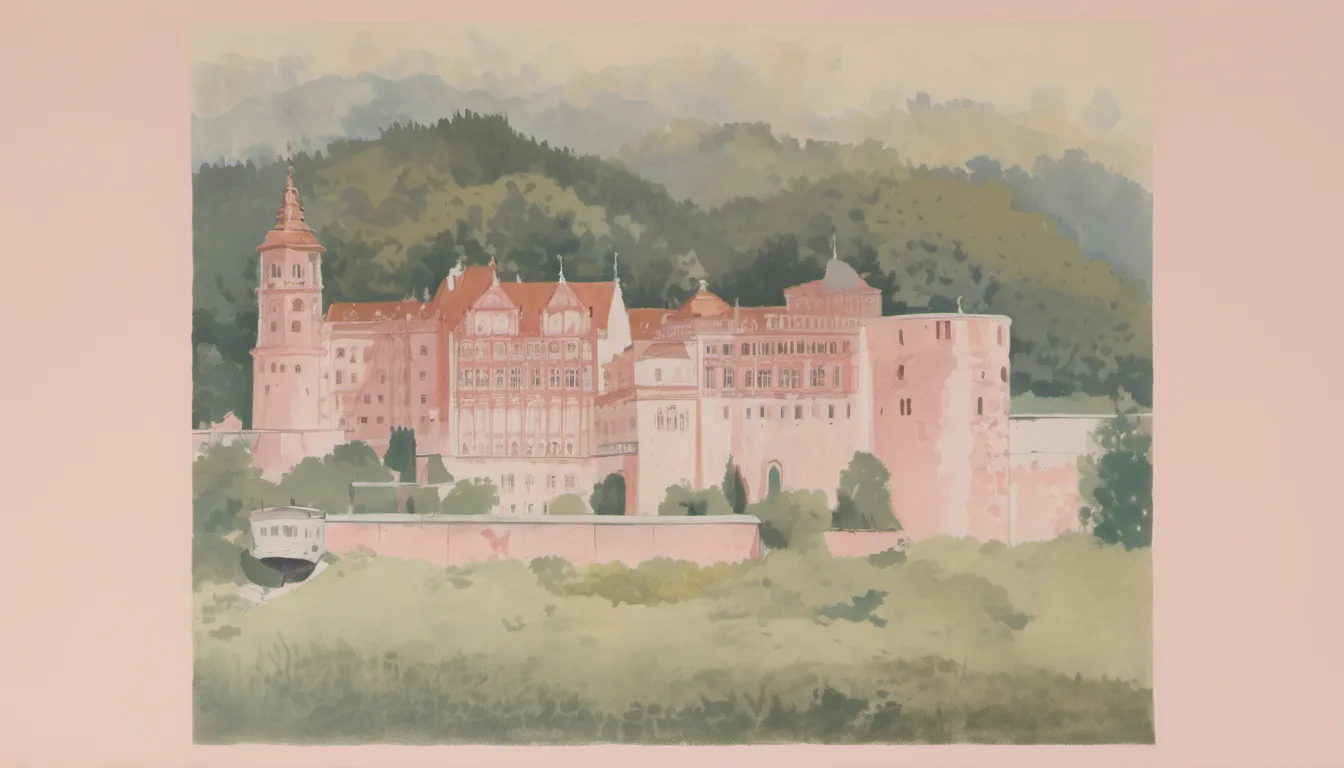
For visitors to the Deutsches Apotheken‑Museum today, the pandemic’s legacy is an invisible layer. The museum’s jars and manuscripts — silent through lockdowns — now speak of a time when pharmacies fought a modern plague. The curfew orders, the mask mandates, the vaccine rollout: all unfolded in the streets outside its walls.