Cattedrale di San Martino
Cattedrale di San Martino has stood at the edge of Roman Lucca since the 6th century; tradition credits St Frediano as its founder. By 725 the church here was documented as the cathedral, after the bishop’s seat moved from Santa Reparata at the beginning of the 8th century.
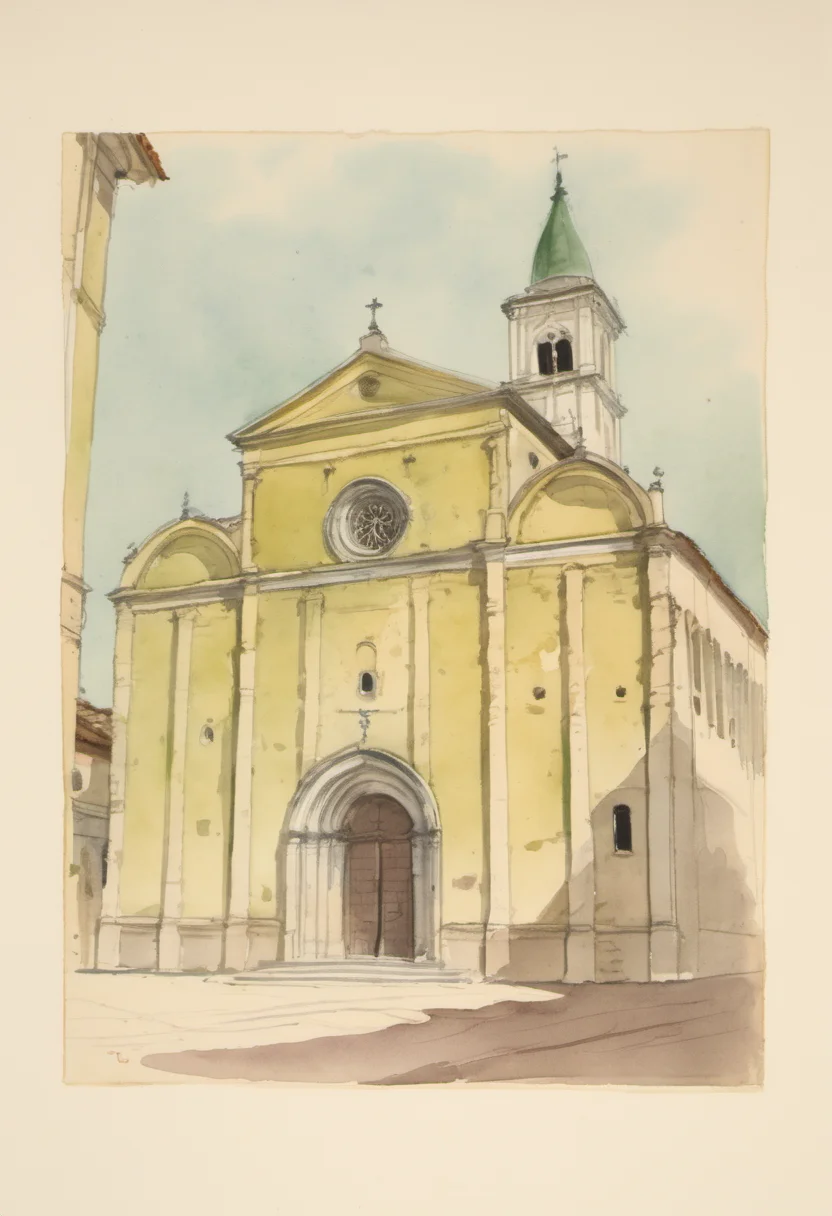
The present structure was begun in 1060 by Bishop Anselm, later Pope Alexander II, who consecrated it in 1070. The great apse with its tall columnar arcades and the fine campanile survive from that phase. The nave and transepts are 14th-century Gothic, while the west front is a vast portico of three arches beneath three ranges of open galleries adorned with sculpture. Guidetto da Como appears on the facade with a parchment dated 1204.
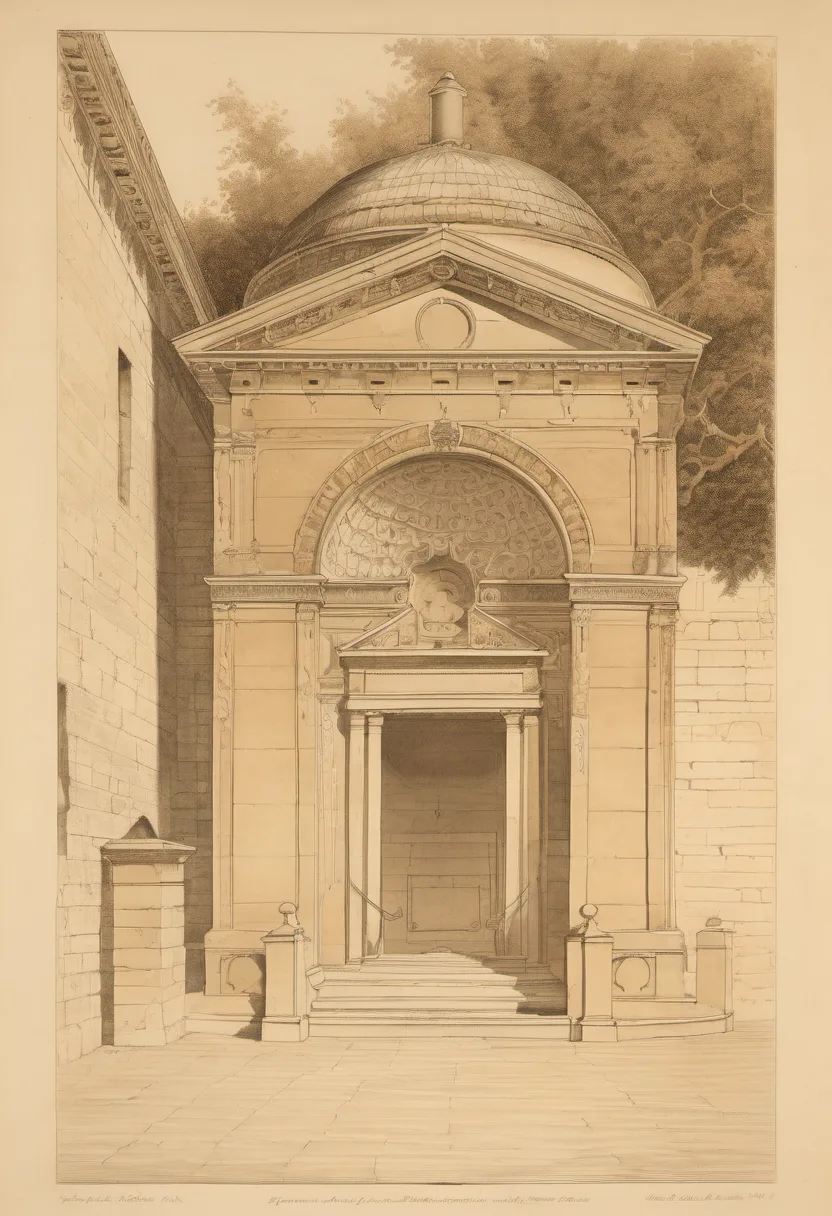
Inside, a small octagonal chapel shrine built by Matteo Civitali in 1484 holds the Holy Face of Lucca, the cathedral’s most precious relic. Legend says the carving was made by a contemporary of Jesus and reached the church miraculously in 782. In the right pier of the portico, a labyrinth carries a Latin inscription about Daedalus, Theseus, and Ariadne; it is believed to date from the 12th or 13th century and may well pre-date Chartres.
Then there are the columns. The story goes that Lucca announced a contest for the best column, every artist made one, and the city kept them all without paying. You do not have to believe the story; the mismatched facade speaks for itself.
The cathedral sits at the edge of Roman Lucca, on a piazza that once faced the baptistery and the church of Santi Giovanni and Reparata. Tradition says St Frediano founded it in the 6th century. By the beginning of the 8th century, the bishop’s seat moved here from Santa Reparata, and by 725 the church was documented as the cathedral.
The site may have been an episcopal complex, a group of churches with different functions. San Martino grew in importance and took the cathedral title in the 8th century, a change tied to the end of the Lombard kingdom and the arrival of the Holy Roman Empire in close collaboration with the papacy. In 780, Bishop Giovanni I moved the relics of San Regolo from Populonia to Lucca; the church was enlarged with a crypt and richer furnishings.
The present cathedral was begun in 1060 by Bishop Anselm, later Pope Alexander II, who consecrated it in 1070. The original Romanesque church was a basilica with five aisles, columns with matronei above, and wooden roofs. The later portico still has corbels that once supported a walkway to those galleries. Of that phase, the great apse with tall columnar arcades and the fine campanile remain; the nave and transepts are 14th-century Gothic.
The west front was begun in 1204. Guidetto da Como, a sculptor and architect already at work in the Pisan workshop, appears on the facade holding a parchment dated 1204. In 1196, the Opera del Frontespizio had been created to build and adorn the upper part of the facade. The style is the so-called second Lucchese Romanesque, Pisan in influence but even more elaborate in its ornamental motifs.
The front is a vast portico of three magnificent arches, and above them three ranges of open galleries adorned with sculpture. Embedded in the right pier of the portico is a labyrinth, believed to date from the 12th or 13th century. It is of the Chartres pattern and may well pre-date Chartres. Its rustic incised Latin inscription speaks of Daedalus’s labyrinth, Theseus, and Ariadne’s thread.
Inside, a small octagonal chapel shrine built by Matteo Civitali in 1484 holds the Holy Face of Lucca, the cathedral’s most precious relic. According to legend, the carving was made by a contemporary of Jesus and arrived in the church through a series of miraculous events in 782. The cathedral also holds Ghirlandaio’s Madonna and Child with Saints Peter, Clement, Paul and Sebastian; Zuccari’s Adoration of the Magi; Tintoretto’s Last Supper; and Fra Bartolomeo’s Madonna and Child from 1509.
The cathedral was run by a chapter of four dignities and fourteen canons, two of whom served as Theologus and Penitentiary. They had the privilege of the mitre and a gold pectoral cross, and at times they chose the bishop. In 1225 they chose a canon, Riccardus, by lot; Pope Honorius III confirmed it despite his displeasure. In 1077, Bishop Anselm of Lucca tried to impose the Rule of Saint Augustine on the chapter; they mostly refused, and he was expelled around 1080.
The dead include Ilaria del Carretto, Adalbert II of Tuscany, and Bertha, daughter of Lothair II. And then there is the facade. Legend says Lucca announced a contest for the best column, accepted them all, and never paid; that is why, they say, every column is different. You may not believe the story, but the mismatched columns remain.