Palazzo Pfanner
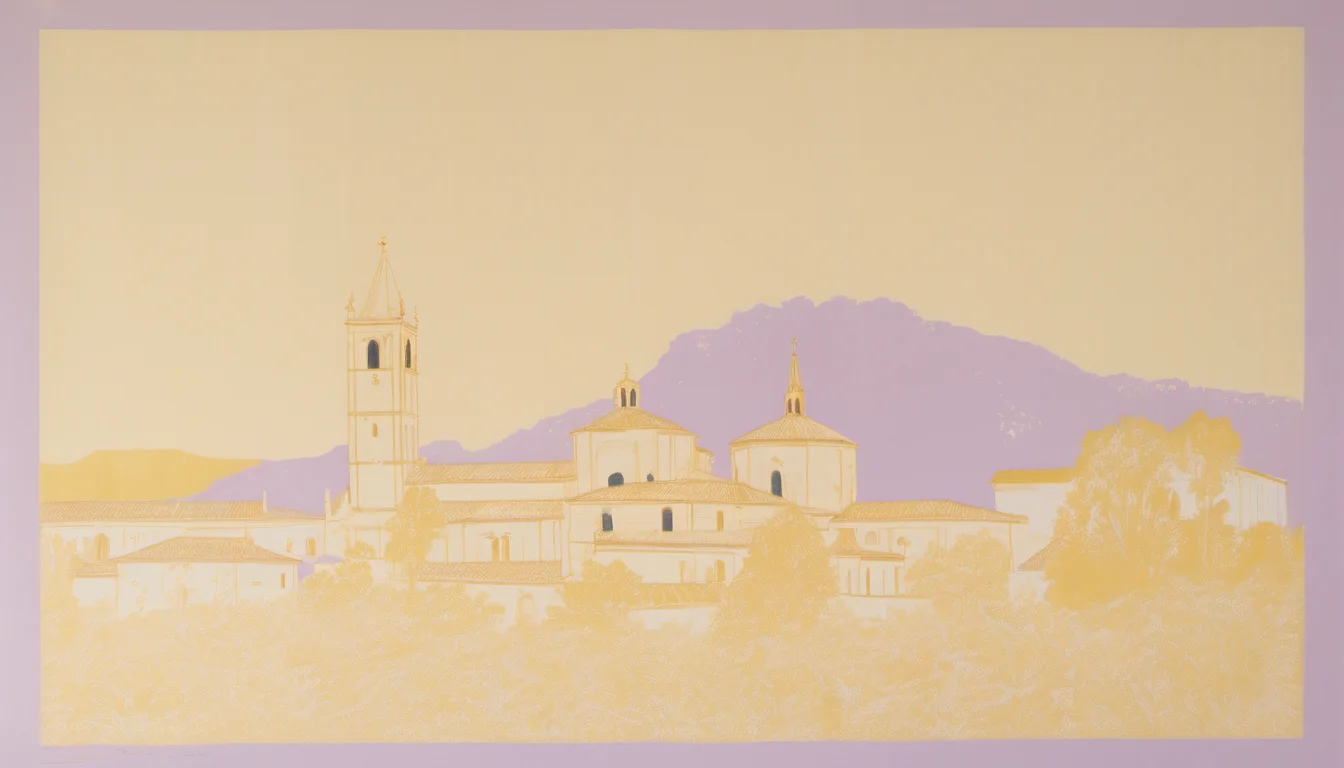
Palazzo Pfanner sits quietly against the northern edge of Lucca's ancient walls, a palace that has outlived its mercantile origins. Commissioned by the Moriconi family in 1660 and later expanded by the Controni silk merchants, it was built during a period when Lucca's aristocracy measured status in stone and fresco. Today, it is a museum—but its true character lies in the contradictions it holds: a formal Italian garden, a brewery, a collection of surgical tools.
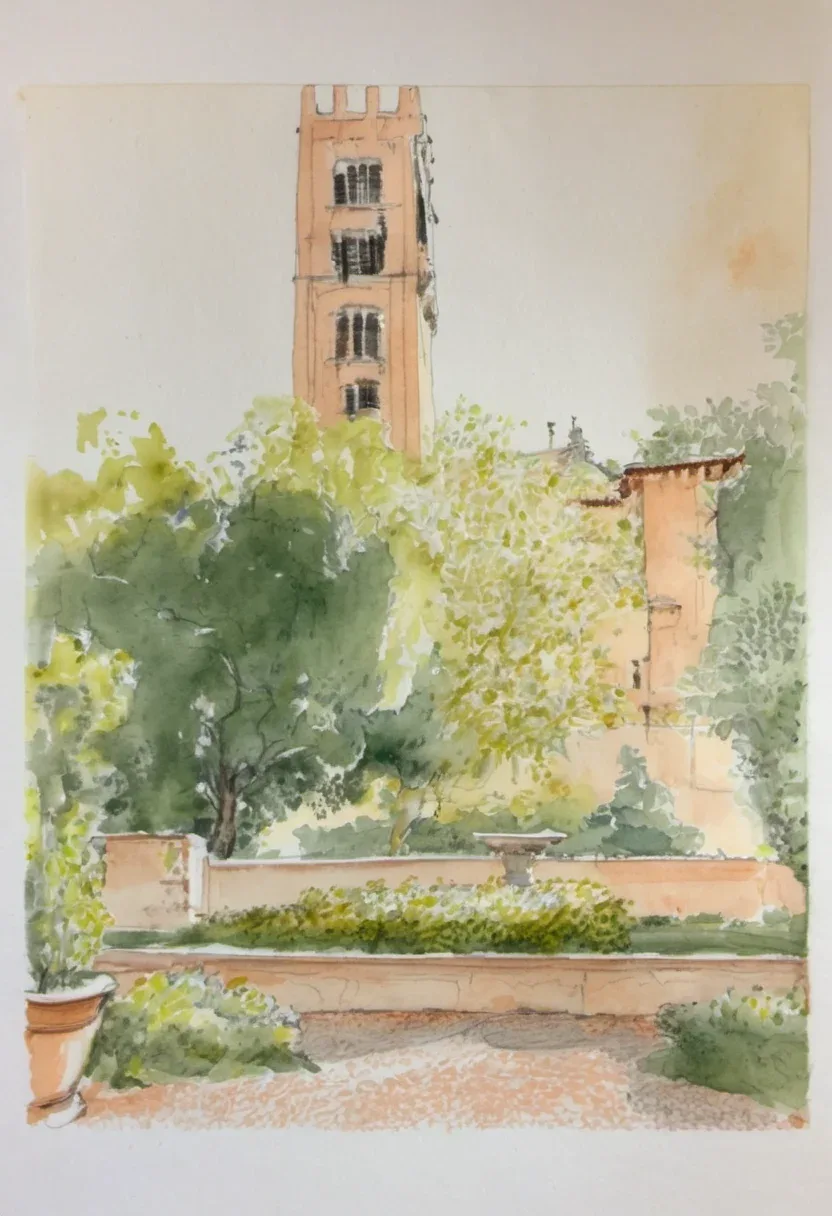
The garden is the soul of the place. Attributed to Filippo Juvarra, it is laid out in seven rectangular parterres bordered by box and laurel. At the centre of the four grass plots near the palace stands an octagonal basin guarded by four allegorical statues: Vulcan, Mercury, Dionysus and Ocean. Beyond them, statues of the four seasons. At the far end, a limonaia crowned by a balustrade of lions and a basilisk—the Controni emblem. Bamboo groves from the garden's earliest days still rustle in the breeze.
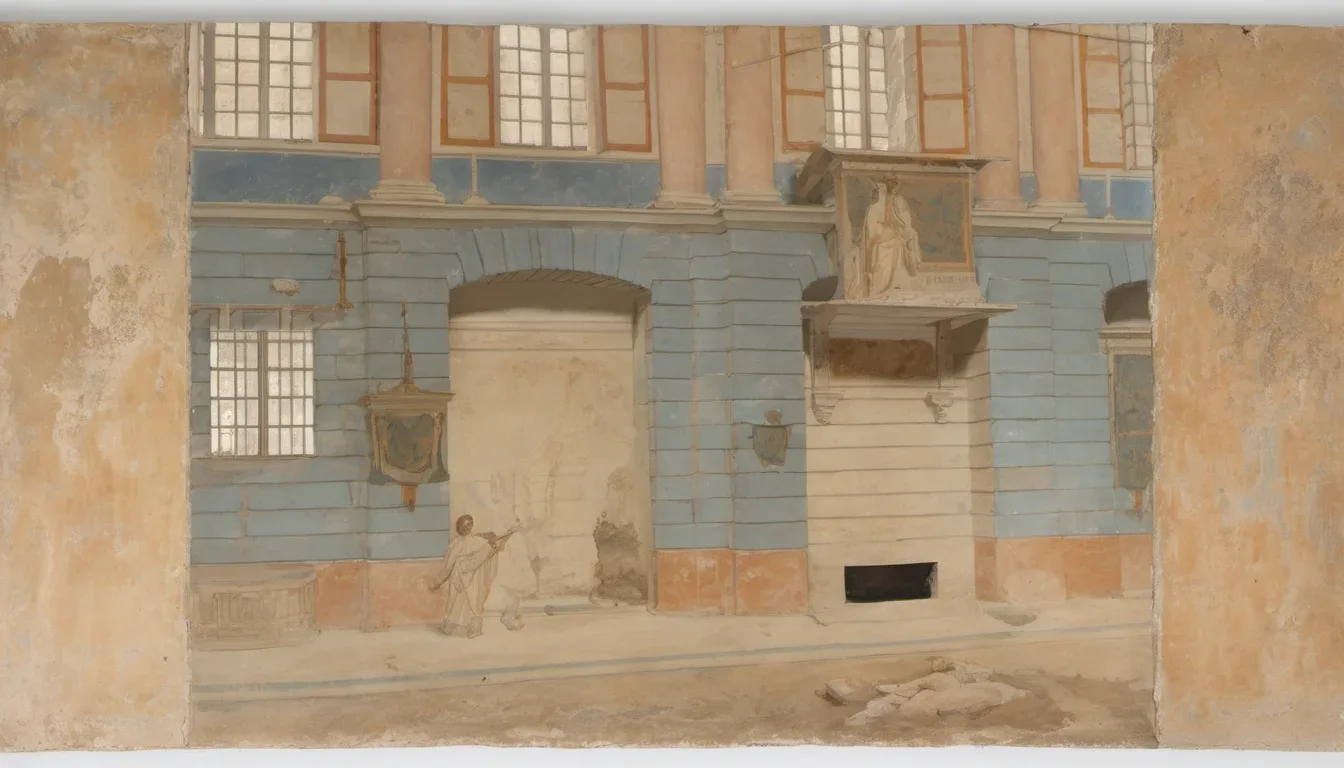
Inside, the principal salon is frescoed by Pietro Paolo Scorsini (1720s), with work by Bartolomeo De Santi and Lorenzo Castellotti on the monumental staircase. The rooms hold period furniture, sacred objects and a 14th-century wooden statue of the Archangel Michael. But the most unexpected exhibit is the permanent collection of surgical instruments and antique medical texts belonging to Dr Pietro Pfanner (1864–1935), a surgeon, philanthropist and former mayor of Lucca.
The Pfanner name entered the palace's story in 1846, when Felix Pfanner, a Bavarian from Hörbranz, installed a brewery in the cellars. It was the first in the Duchy of Lucca and one of the first in Italy. The garden became a beloved meeting place for locals and travellers to drink beer and pass time. The brewery closed in 1929, but the family still owns the palace. Since 1995, restoration and public openings have brought concerts, exhibitions and even overnight stays to the property.
Palazzo Pfanner has also served as a cinematic stand-in for papal nobility, appearing in 'Il Marchese del Grillo' with Alberto Sordi and in Jane Campion's 'The Portrait of a Lady'. But the real draw remains the quiet collision of elegance and industry—a garden designed for pleasure, a palace built on trade, and a beer hall that once made Lucca a little less sober.
Palazzo Pfanner sits quietly against the northern edge of Lucca's circuit of Renaissance walls, a palace that has outlived its mercantile origins and now opens its doors as a museum of art, artifacts and oddities. Originally commissioned by the Moriconi family around 1660, it was sold to the Controni silk merchants in 1680 after the Moriconi fell into bankruptcy. The Controni, newly ascended to the nobility, set about expanding the building: a monumental staircase was added around 1686, attributed to the Lucchese architect Domenico Martinelli, and the garden was redesigned early in the 18th century, probably by Filippo Juvarra. The palace would later host Prince Frederick of Denmark during his Grand Tour in 1692, a visit remembered locally for his flirtation with a young woman named Maria Maddalena Trenta.
The garden is the soul of the place—one of the best preserved Baroque Italian gardens in existence. It stretches between the palace to the south and the city walls to the north, a formal geometry visible already in the Sinibaldi map of 1843. Beyond the iron gate, a paved entrance dotted with four terracotta pots of cycas leads into the main parterre. The space is divided into seven rectangular plots by straight gravel paths. Four grass areas, bordered by box and laurel hedges, surround an octagonal basin at the centre, adorned with four allegorical statues representing the elements: Vulcan (fire), Mercury (air), Dionysus (earth) and Ocean (water). Near the palace, the four seasons are personified in stone.
The planting is both structured and generous. Yew, pine, fruit trees and magnolias rise from the grass. Many of the trees are ancient, and the bamboo groves—planted at the garden's very beginning—still stand. At the far end, a limonaia leans against the enclosing wall, its rooftop balustrade bearing stone lions and a basilisk, the heraldic emblem of the Controni. To each side of the wooden portal, a niche holds a statue: Hercules on the right, Cybele on the left. The two main avenues are lined with pots of lemon trees and roses, their scent trailing through the warm afternoons.
Inside the palace, the principal salon was frescoed in the 1720s by Pietro Paolo Scorsini, a specialist in quadratura—the art of painted architecture that tricks the eye. The walls and vaults of the monumental staircase were decorated by Bartolomeo De Santi and Lorenzo Castellotti in the early 1700s. The rooms that branch off the central salon are furnished with period pieces, precious objects, sacred artefacts and a 14th-century wooden statue of the Archangel Michael. But the most jolting exhibit lies in the permanent collection of surgical instruments and antique medical texts assembled by Dr Pietro Pfanner (1864–1935), a surgeon, philanthropist and mayor of Lucca from 1920 to 1922.
The Pfanner family enters the story in 1846, when Felix Pfanner (1818–1892), a Bavarian from the Austrian village of Hörbranz, installed a brewery in the cellars of the palace. It was the first brewery in the Duchy of Lucca and one of the earliest in unified Italy. The garden became a meeting place for Lucchesi and travellers from around the world, who came to drink beer and spend time in the company of others. The historic Birreria Pfanner—a pleasant spot for production and drinking, tucked between the garden and the cellars—closed in 1929. But the family held onto the building.
Since 1995, the current generation of the Pfanner family has undertaken a serious restoration, opening the palace to the public and hosting concerts, exhibitions and cultural events. The stables now house L'Imbuto, a Michelin-starred restaurant run by chef Cristiano Tomei. And for those who want to linger, it is possible to stay overnight in the palace itself.
Palazzo Pfanner has also been a frequent film set: it appeared as the home of the marchese del Grillo in Alberto Sordi's 1981 comedy, as the Sant'Agata family residence in Luigi Magni's 'Arrivano i bersaglieri', and as the garden in Jane Campion's 'The Portrait of a Lady' with Nicole Kidman (1996). The palace embodies a certain imagined papal nobility—elegant, a little worn, full of secrets.
What remains is a place where business and beauty never seemed to conflict. The garden was built for contemplation, but also for parties. The frescoes celebrate the family's status, but the surgical tools remind us of a doctor who served the city. The brewery brought strangers together. Palazzo Pfanner is not a shrine to one thing; it is a layered archive of how Lucca lived—mercantile, sensual, practical and ceremonial all at once.