Musée Gustave Moreau
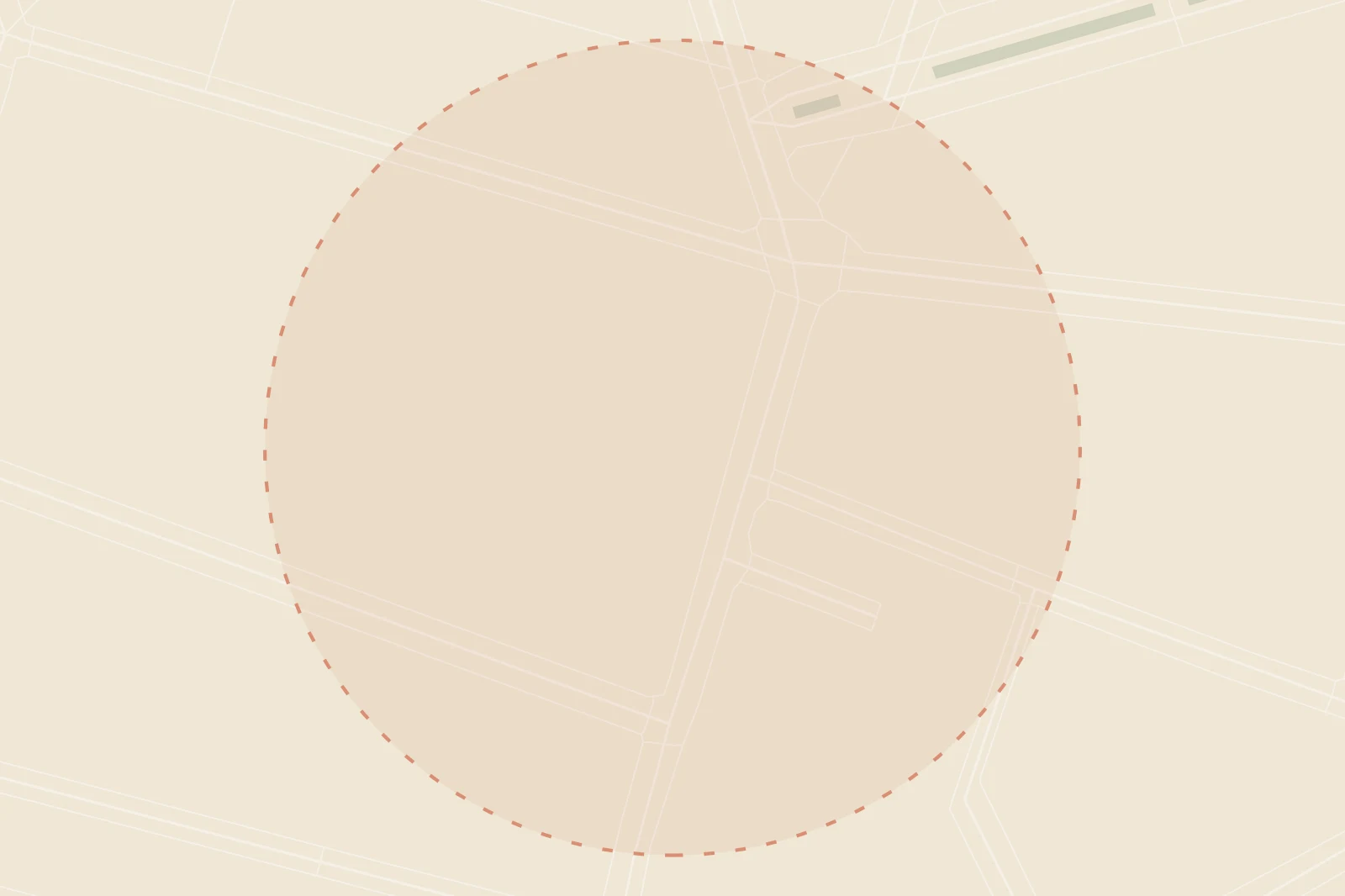
In the 9th arrondissement, at 14 rue de la Rochefoucauld, stands a building that was once the home of Gustave Moreau. In 1895, the Symbolist painter decided to turn his dwelling into a studio and museum, preserving his apartment on the first floor. Today, it houses an unrivaled collection of his work.
The building unfolds over three floors. The ground floor overlooks a small garden and contains six rooms, four of which are lined with drawings and sketches dedicated to the Italian masters. The first floor retains the family apartment, complete with dining room, bedroom, den, hallway, and office-library.
The second floor offers a large studio-room, while the third floor holds two rooms of larger format. The collection includes around 1,200 paintings, mostly sketches or unfinished, along with pastels and watercolors. Moreau’s drawings number in the thousands, kept in custom cabinets he designed himself.
Among the permanent exhibits are 'The Apparition' (c.1875), 'Jupiter and Semele' (1895), 'Chimera' (1884), and 'The Return of the Argonauts' (1891–97). The museum is open daily except Tuesday; admission was €7.50 in 2010. The nearest métro stations are Saint-Georges and Trinité – d'Estienne d'Orves.
The Musée national Gustave Moreau is tucked into a narrow street in the 9th arrondissement of Paris. It began as a family home, but in 1895 Moreau resolved to transform it into a studio, a museum, and a permanent archive of his life’s work. The first floor remained his private apartment.
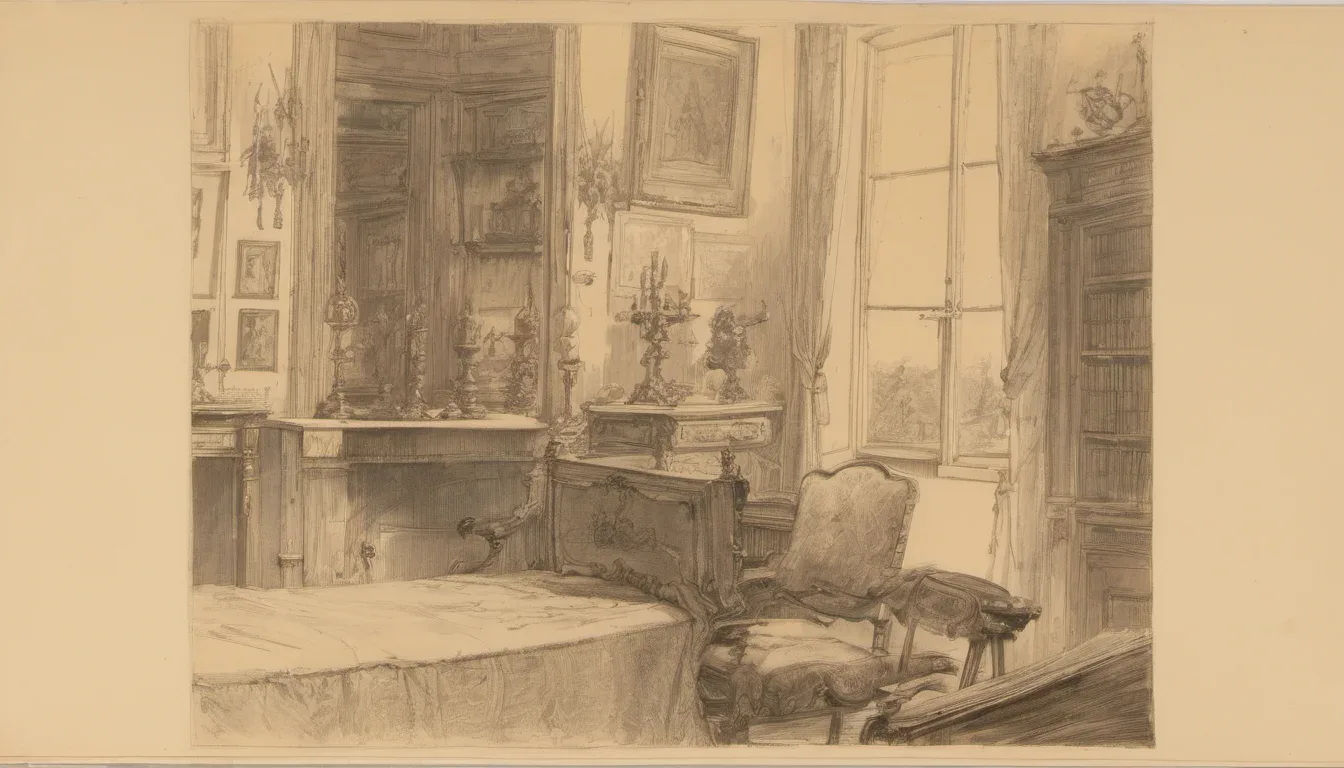
That private apartment still exists. You walk through a dining room, a bedroom, a den, a hallway, and an office-library, all of which hint at the domestic life that once played out here. It is a rare glimpse into the everyday surroundings of a painter who lived largely for his art.
The ground floor is a different world. Six small rooms open onto a garden; four of them are filled with drawings and sketches dedicated to the Italian masters. Here you see Moreau the student, the admirer, the collector of influences.
The heart of the museum lies above. A grand studio occupies the entire second floor, flooded with light from tall windows. Above that, on the third floor, two more rooms offer space for larger works. The scale of the building itself mirrors the ambition of Moreau’s vision.
Moreau’s collection is enormous: roughly 1,200 paintings, most of them in sketch or unfinished form, plus pastels and watercolors. Then there are the drawings, kept in specially designed cabinets with pivoting shutters. Moreau himself assigned inventory numbers to each piece, creating a personal system that still organises the holdings.
The works on display include some of his most celebrated pieces: 'The Apparition,' a haunting vision from around 1875; 'Jupiter and Semele' from 1895; 'Chimera' from 1884; and 'The Return of the Argonauts,' completed between 1891 and 1897. Each one shows a mind drawn to myth, symbol, and dense detail.
Visiting is straightforward. The museum is open every day except Tuesday. The nearest métro stations are Saint-Georges and Trinité – d'Estienne d'Orves. Admission was set at €7.50 in 2010, but you should confirm the current rate. Allow yourself time to move between floors and to notice the quiet intimacy of this preserved house.