Palace of Nestor
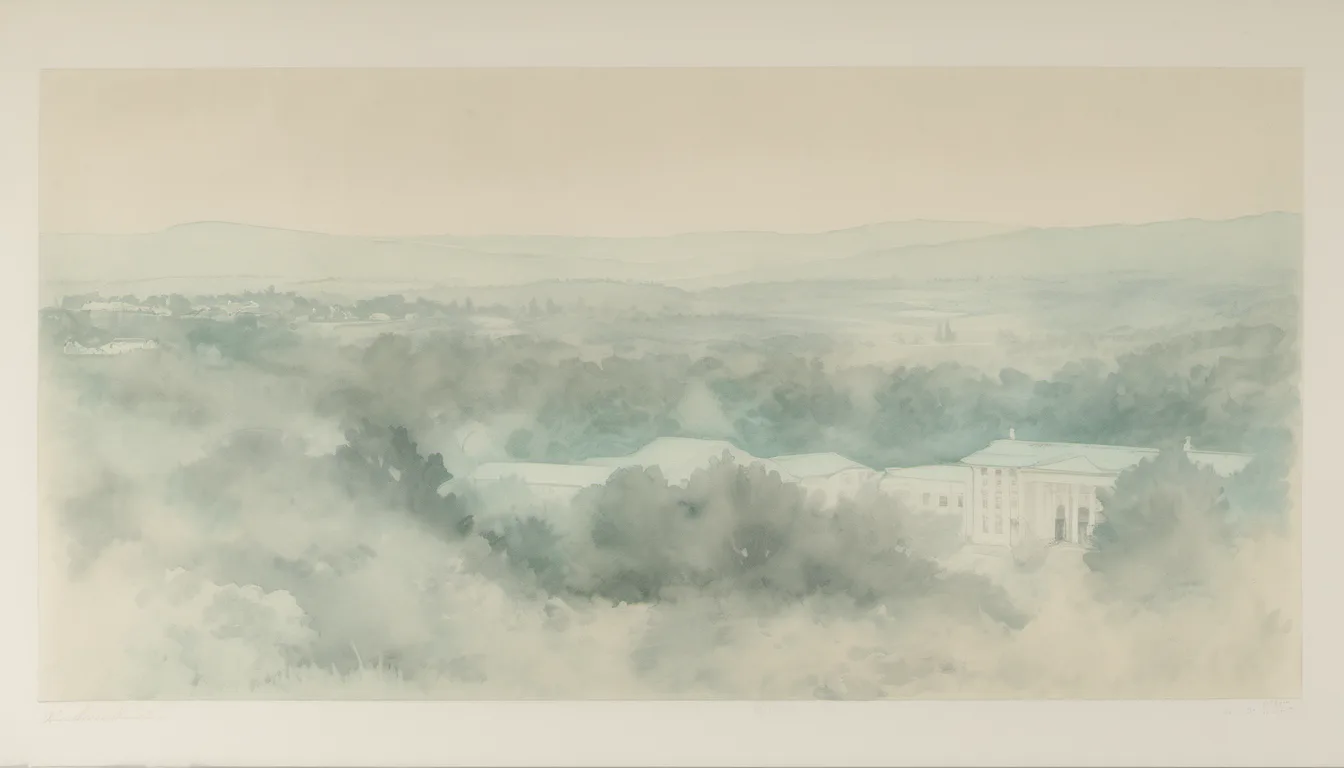
The Palace of Nestor sits on a low ridge at Epanò Englianos, 18 km from modern Pylos. It was here, in the 1950s, that archaeologists finally identified the ancient city of Pylos, long known only from Homer. The site is unassuming: stone foundations, a flagged courtyard, the remains of a megaron. Yet this was once the seat of a king who, if myth is to be believed, fought at Troy and hosted Telemachus.
That king was Nestor, son of Neleus, an Argonaut and veteran of the Calydonian boar hunt. In the Iliad he is old, wise, and boastful—always ready with advice, often prefaced by a long account of his own deeds. He counselled Agamemnon and Achilles, rode a chariot into battle, and carried a solid gold shield. Homer called him 'the Gerenian horseman'.
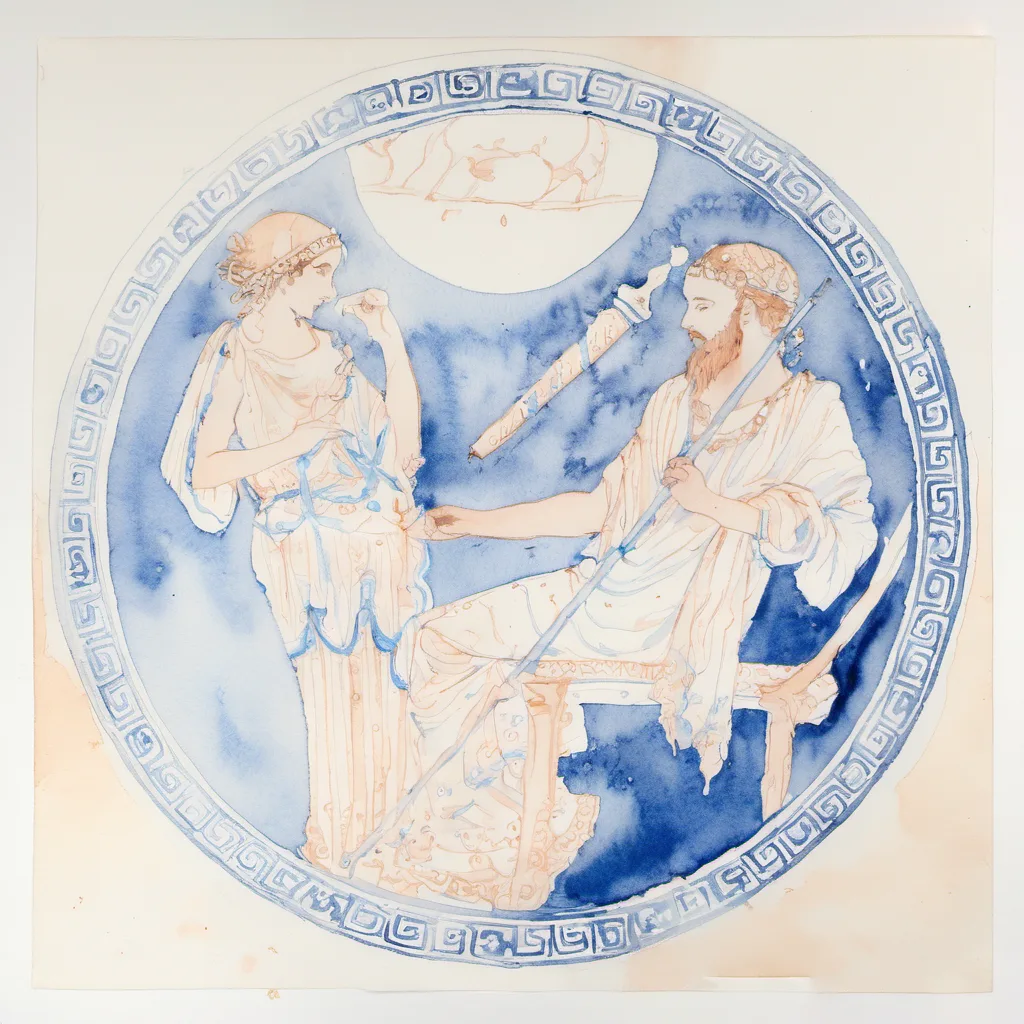
Nestor returned safely from Troy and welcomed Telemachus, Odysseus’s son, who came seeking news of his father. The Odyssey shows Nestor as a generous host, though Telemachus later fled his overwhelming hospitality. The palace itself was built in the Mycenaean period, but there is no evidence Nestor was a real person. The name clings to the site like an old story.
Nearby, the Voidokilia beach—also called Nestor’s beach—has yielded tombs from 4000 BC. The region was continuously inhabited from the late Neolithic. The palace remains the chief evidence for locating ancient Pylos, and it draws visitors who prefer legend to certainty.
The Palace of Nestor occupies a gentle promontory in western Messenia, olive trees pressing against its low walls. Excavations between 1955 and 1958 uncovered a Mycenaean palatial complex that matched the Homeric descriptions well enough to convince scholars that this was the Pylos of Nestor. No inscription names the king, but the site's architecture—storage rooms, a throne room, Linear B tablets—speaks of a Bronze Age power.
Nestor himself belongs to a world of myth. In Greek tradition, he was the son of Neleus and Chloris, or perhaps Polymede. His father founded Pylos after fleeing Iolcus. Nestor became king after Heracles killed Neleus and all his brothers. He lived three generations, it was said, by the favour of Apollo—years the god had taken from Chloris and her brothers and granted to Nestor.
As an Argonaut, he helped Jason. He fought centaurs and the Calydonian Boar. At Troy he was too old for combat but led his Pylian troops from a chariot, one of his horses killed by Paris’s arrow. He advised Agamemnon and Achilles to reconcile. In the Odyssey he had already returned home safely with his army, having left Troy immediately after the sack, avoiding Athena’s anger.
Telemachus visited Nestor’s palace to learn of Odysseus. Nestor welcomed him lavishly but could offer no real news. The visit ended with Telemachus and Peisistratus slipping away before Nestor could press more hospitality upon them. Homer’s admiration for the old king is tempered by humour: Nestor’s advice, however well-meant, often leads to trouble, and he cannot resist recounting his own past glories.
Some scholars see darker undertones. In the Iliad, Nestor persuades Patroclus to disguise himself as Achilles—a decision that leads directly to Patroclus’s death. Yet the Homeric world judges a counsellor not by results but by inherent qualities: sweet speech, clear voice, honeyed words. By that measure, Nestor was a good advisor, regardless of outcomes.
The palace at Pylos was excavated by Carl Blegen in the 1950s. Its megaron still contains the central hearth, and fragments of frescoes and pottery hint at a rich life. The site is near the Voidokilia beach, a curved arc of sand with Neolithic tombs. The modern town of Pylos, known as Navarino until the 20th century, lies a short drive away.
Visitors to the Palace of Nestor walk through the ruins with the sound of cicadas in the olive groves. The sea glints in the distance. It is a place that rewards those who come without the need for certainty—where myth and archaeology share the same ground, and a Homeric king still holds court.