Stiftsbibliothek St. Gallen
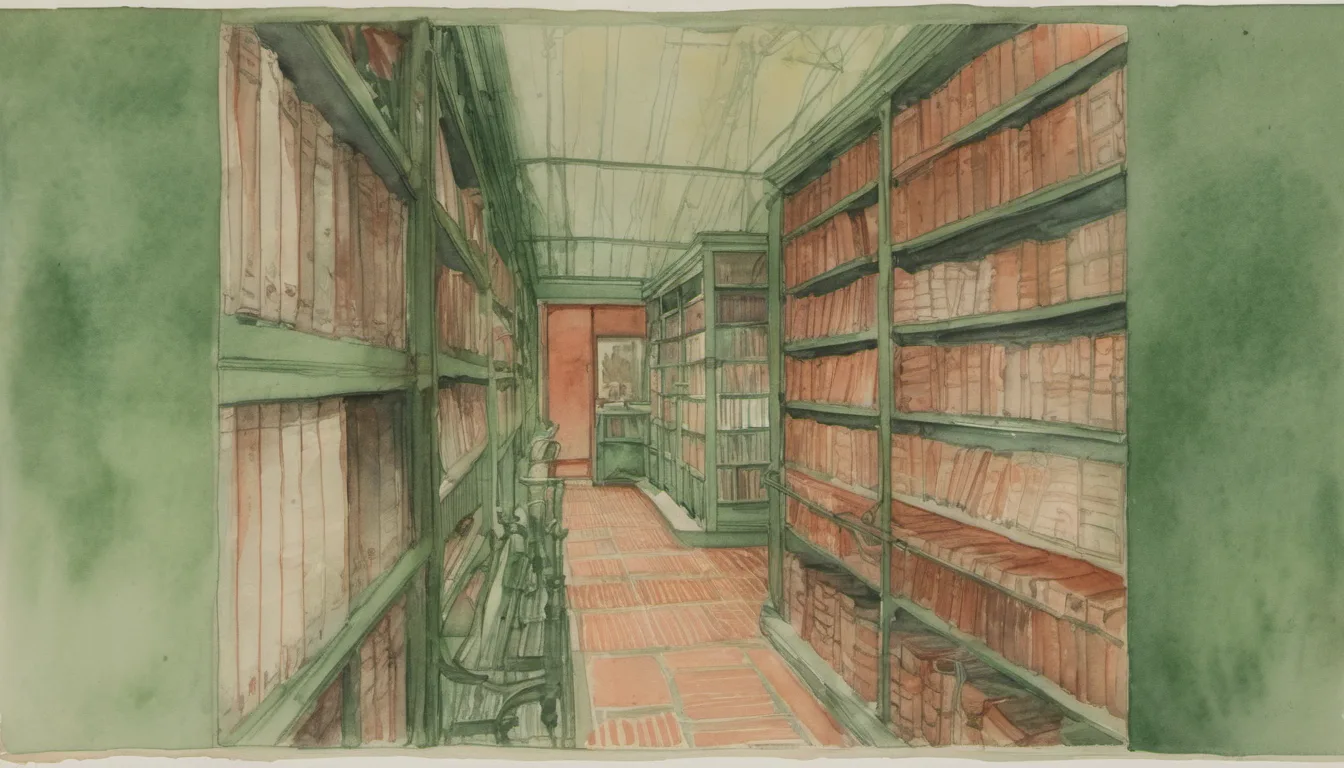
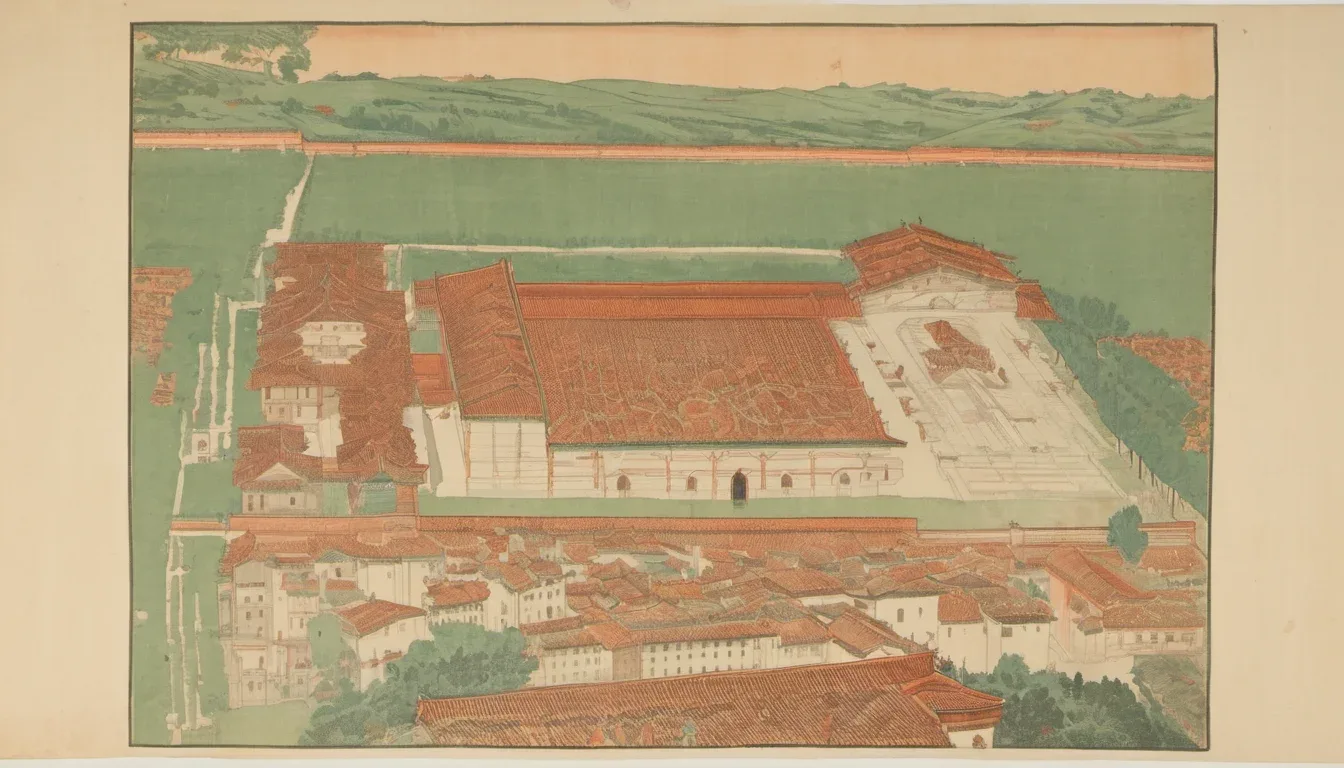
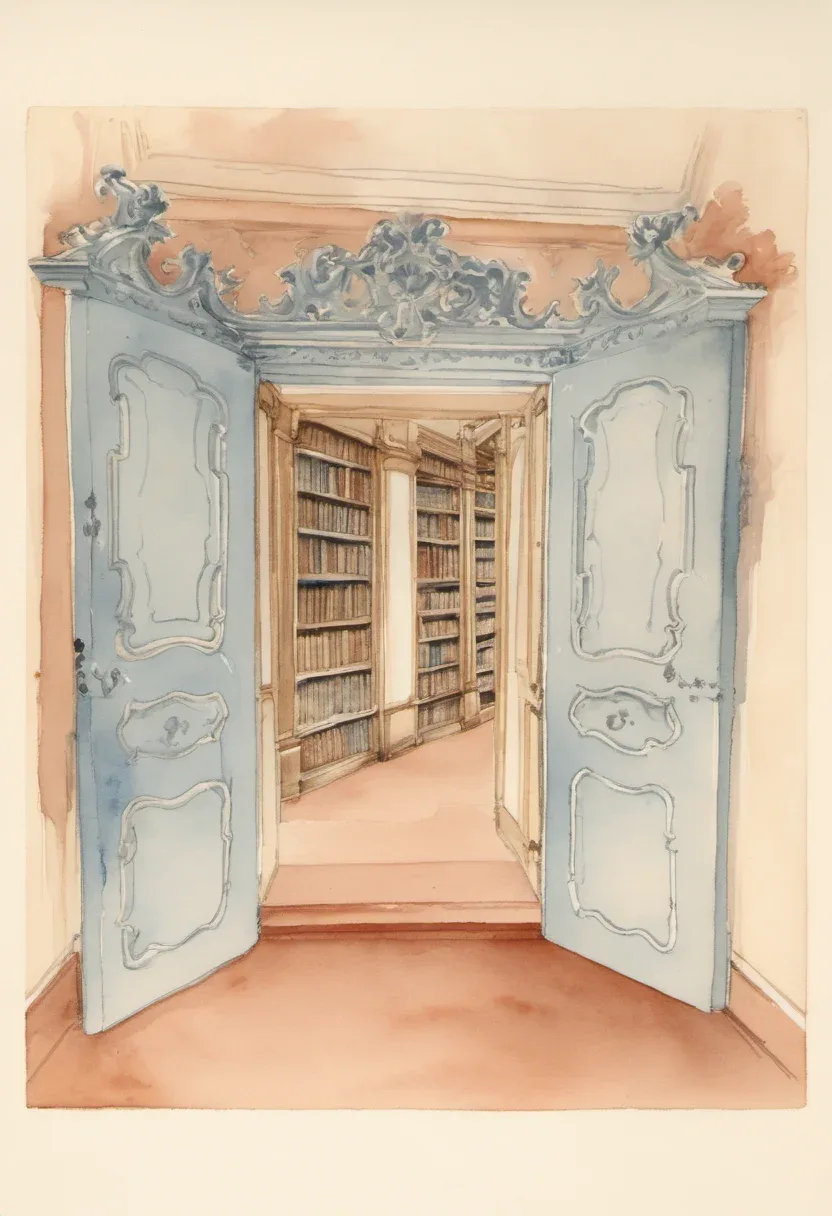
Deep in eastern Switzerland, a library holds over 400 manuscripts from the 9th century. It is the Abbey of Saint Gall, a Carolingian monastery that flourished for centuries. Its library is one of the oldest monastic libraries in the world.
Around 612, the Irish monk Gallus established a hermitage here. After his death, disciples continued his work. In 719, Saint Othmar founded the abbey and built a Carolingian-style church. The abbey grew quickly, attracting noblemen and scholars.
During the 9th century, the abbey reached its peak. Scholars like Notker the Stammerer worked here. A new church was built, and the library expanded. In 937, a fire destroyed much of the abbey but spared the library. The abbey later became a princely abbey under the Holy Roman Empire.
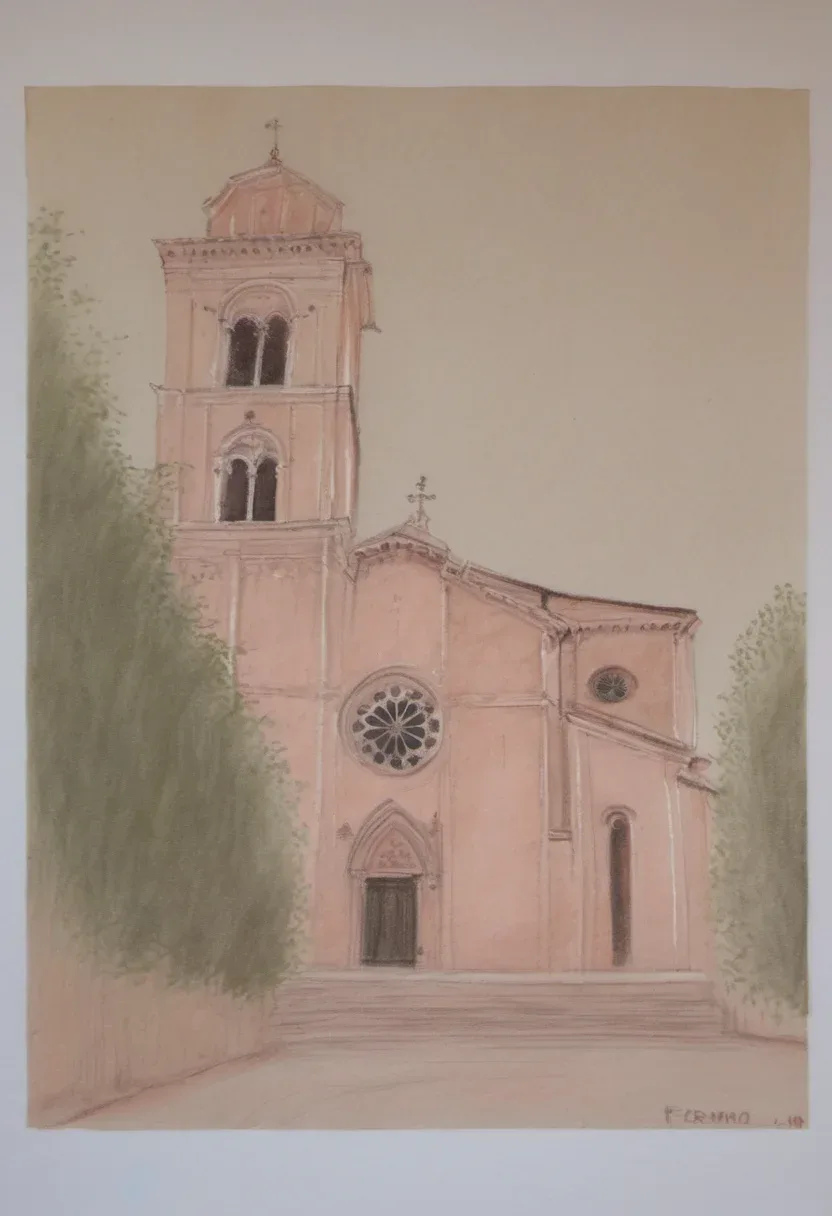
The abbey was secularized around 1800. Its church became St. Gallen Cathedral in 1848. In 1983, the entire precinct was declared a UNESCO World Heritage Site. Today, the library remains a treasure of medieval manuscripts.
The Abbey of Saint Gall began with a hermitage. Around 612, Gallus, an Irish monk and disciple of Columbanus, settled on this spot. He lived and died here. His tomb became a place of pilgrimage. Disciples gathered, and soon a community formed.
In 719, Saint Othmar founded the monastery with support from Charles Martel and later Pepin. He adopted the Carolingian style for his buildings. The St. Gall School was founded. The abbey grew quickly, with many Alemannic noblemen becoming monks. Arts, letters, and sciences flourished.
The 9th century was the abbey's golden age. Under Emperor Louis the Pious, it gained imperial immediacy, freeing it from the Bishop of Constance. Scholars like Notker the Stammerer and Tuotilo produced works. A new church was built, and the library expanded. Over 400 manuscripts from this time survive.
Between 924 and 933, Magyar raids forced the monks to move the books to Reichenau for safety. Not all returned. On 26 April 937, a fire destroyed much of the abbey and its adjoining settlement. The library survived undamaged. Around 954, a wall was built to protect the monastery, and the town of St. Gallen began to form.
In 1006, the abbey recorded a sighting of the supernova. The silver age ended with the death of abbot Ulrich II in 1076. In 1207, abbot Ulrich von Sax was raised to prince of the Holy Roman Empire, making the abbey a princely abbey. The city of St. Gallen gradually freed itself from abbatial rule.
The 14th and 15th centuries brought conflict. Humanists carried off some rare texts. The Appenzell Wars (1401–1405) saw the abbot's farmers seek independence. The town sided with Appenzell. By 1457, St. Gallen was officially free from the abbot. The abbey bought the County of Toggenburg in 1468.
In the late 15th century, abbot Ulrich Rösch built a new monastery at Rorschach, but faced resistance. The abbey's power waned. It was secularized around 1800. In 1848, the former abbey church became St. Gallen Cathedral. In 1983, the entire precinct was declared a UNESCO World Heritage Site.