Cappella Bentivoglio, San Giacomo Maggiore
The facade gives little away. Late-Romanesque, sober, its ogival windows trimmed in Istrian stone by Lombard masters in 1295 — the kind of front you might walk past without slowing down. That would be a mistake. Behind it sits one of Bologna's great unannounced Renaissance interiors, built first by hermits and later filled in by one of the city's leading families. The story starts in 1247, when a community founded by the Blessed John the Good of Modena settled near Bologna's walls, along the Savena river, dedicating their church to St James the Greater.
Nine years later, Rome merged them with other hermit communities into the Order of Hermits of St Augustine — one of their own becoming the new order's first Prior General. Outgrowing their riverside site, the friars broke ground on a larger church within the walls in 1267. It took until 1315 to finish and 1344 to consecrate, once the polygonal apse was complete. What they built was plain by design: a single nave under visible trusses, Romanesque bones with a few Gothic flourishes, built for prayer rather than display.
Display came later, and from an unexpected patron. Between 1463 and 1468, the Bentivoglio family built themselves a chapel here, designed by Pagno di Lapo Portigiani. It is the reason to come. The floor is majolica from the Della Robbia workshop, laid in 1498, still tracing the family's coat of arms underfoot. Lorenzo Costa the Elder painted the walls; Francesco Raibolini supplied the altarpiece around 1494. Older still is the tomb of Anton Galeazzo Bentivoglio, carved by Jacopo della Quercia in 1438 — sculpture that predates the chapel itself by a generation.
A second chapel rewards a slower look. Cardinal Giovanni Poggi, a Bolognese who made his career in Rome, brought the painter Pellegrino Tibaldi home in 1555 to fresco both his palace and his family chapel here. It's considered Tibaldi's finest work. Flanking the altar are two portraits of the cardinal himself — one as papal nuncio to Spain, the other as a cardinal late in life, the same man measured twice across a career.
The friars didn't keep the place whole. French occupation expelled them in the early 1800s; they returned in 1824 to find part of their monastery converted into a music school — now the Conservatorio Giovanni Battista Martini next door. Italy's new anti-clerical laws finished the job later that century, stripping the order of the monastery for good. What survives is the church alone: a plain Romanesque shell holding two of Renaissance Bologna's most private, most carefully made rooms.
Bologna keeps some of its best interiors behind its most unremarkable fronts, and San Giacomo Maggiore is the clearest case. The facade is late-Romanesque, the oldest part of the building, plain enough to pass without a second look. Behind it: a working Augustinian church, a Renaissance chapel built by one of Bologna's prominent families, frescoes by three generations of the city's finest painters, and one of the last surviving fragments of the medieval wall. None of it announces itself. All of it rewards the walk inside.
The story begins away from this site entirely. As early as 1247, a community of hermits founded by the Blessed John the Good of Modena settled near Bologna's walls, along the Savena river, and built a monastery dedicated to St James the Greater — San Giacomo Maggiore. In 1256 the pope merged them with other eremitical communities across the region into a single new body, the Order of Hermits of St Augustine. One of the Bologna hermits was elected the order's first Prior General, an early sign that this modest riverside brotherhood had outgrown its origins.
Outgrowing the site, too. In 1267 the friars began a new, larger church inside the city walls, on the ground the basilica still occupies. Construction ran to 1315; consecration waited until 1344, once the polygonal apse was finished. The design was sober Romanesque with Gothic touches — pointed, ogival windows chief among them — arranged around a single nave with its trusses left exposed, closing at the east end in a polygonal apse-chapel flanked by two square chapels. Function first, decoration later.
The facade you meet today still carries that early logic, though not untouched. Its ogival windows were dressed in Istrian stone, Venetian in style, by visiting Lombard masters in 1295. Four funerary cells were added in the early 14th century, not long after similar cells appeared in the portico; the original entrance protyrus was reworked in the same period. Frescoes that once decorated those 13th-century portico cells have since been moved inside the church, where they've had a better chance of surviving.
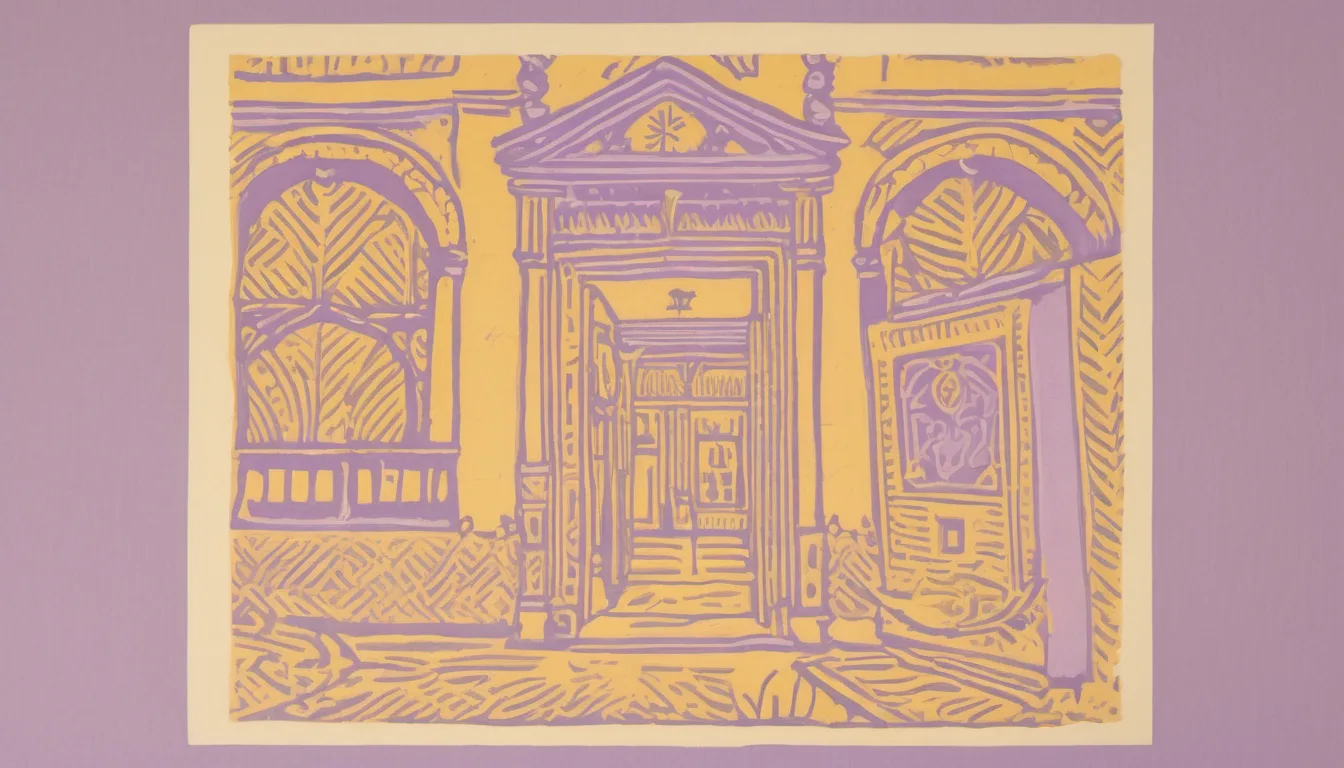
The portico itself is a small marvel, traditionally credited to Tommaso Filippi: thirty-six Corinthian columns under a friezed entablature, leading through to two cloisters, one 15th-century, one 16th. Walk far enough along it and you're walking beside the only surviving stretch of Bologna's 11th-century walls — the city's oldest fortification, still standing because this complex happened to grow up against it. Tucked beside that wall is the Oratory of Santa Cecilia, its cloister walls frescoed by Francesco Francia, Lorenzo Costa, and Amico Aspertini, three of the defining names of the Bolognese Renaissance.
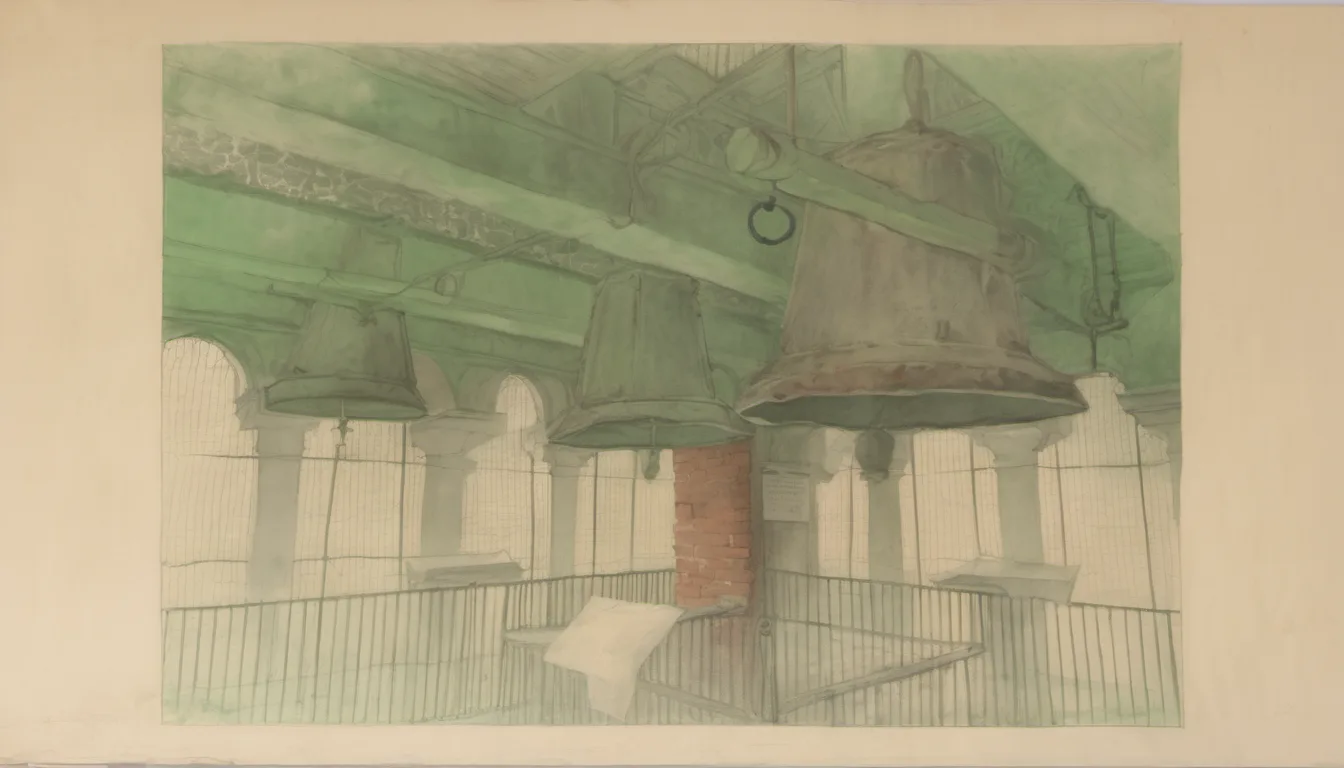
The 15th century reshaped the interior as thoroughly as the Bentivoglio reshaped the chapel. The family added a long portico onto Via San Donato between 1477 and 1481; across the street rose the flank of the Palazzo Malvezzi de' Medici in 1560. The bell tower went up in 1471. Between 1483 and 1498 the church itself was overhauled — a new roof, a new dome designed by Antonio Morandi, and new chapels cut into the side walls, which filled over time with Renaissance and Baroque altars and paintings. What had been a plain hermits' church became something closer to a gallery.
At the center of that gallery is the Bentivoglio Chapel, built between 1463 and 1468 by the Bentivoglio family and designed by Pagno di Lapo Portigiani. Underfoot is a majolica pavement from the Della Robbia workshop, laid in 1498, its tiles still tracing the Bentivoglio coat of arms. Lorenzo Costa the Elder painted the decoration; the altarpiece, from around 1494, is the work of Francesco Raibolini. Earlier still is the tomb of Anton Galeazzo Bentivoglio, carved by Jacopo della Quercia in 1438, a full generation before the chapel around it existed. Four artists, one family, one room.
A different kind of ambition built the Poggi Chapel. Cardinal Giovanni Poggi, born in Bologna in 1493, met the painter Pellegrino Tibaldi — also Bolognese — after Tibaldi relocated to Rome in 1547, and later brought him home to paint the Palazzo Poggi. Tibaldi returned to the city in 1555 and frescoed both the palace and the cardinal's family chapel; the chapel work is generally considered his masterpiece. Poggi himself is buried here, watched over by his own likeness twice: on one side of the altar as papal nuncio to Spain, on the other as a cardinal, later in life.
Elsewhere the church keeps quieter treasures. The vaults were frescoed in 1495 by the workshops of Francia and Lorenzo Costa. Beyond the two main chapels, look for Paolo Veneziano's Polyptych of the Holy Cross Relic, a late-16th-century Virgin in Glory by Bartolomeo Cesi, and, in the Malvezzi Chapel, an early-15th-century late Gothic crucifix. Each was made for a different patron with a chapel to fill, which is why the church reads less like a single commission than a running conversation between families across three centuries.
The friars didn't get to keep all of it. French occupation expelled the Augustinians in the early 19th century; when they returned in 1824, part of their old monastery had already become a music school, which endures today as the Conservatorio Giovanni Battista Martini next door. The Kingdom of Italy's anti-clerical laws later suppressed the order again, this time for good — the friars gave up the monastery entirely, retaining only the church itself. Two institutions now share what was once one address.
The saint the church is named for had his own quieter afterlife in the sources. San Giacomo Maggiore — St James the Greater — was, by tradition, a Galilean fisherman and one of the twelve apostles, nicknamed by Jesus one of the 'sons of thunder,' present at the Transfiguration, and, according to the Acts of the Apostles, the first apostle to be martyred. A modest hermits' church, in other words, named for the first man in the story willing to die for it.