Mănăstirea Slatina
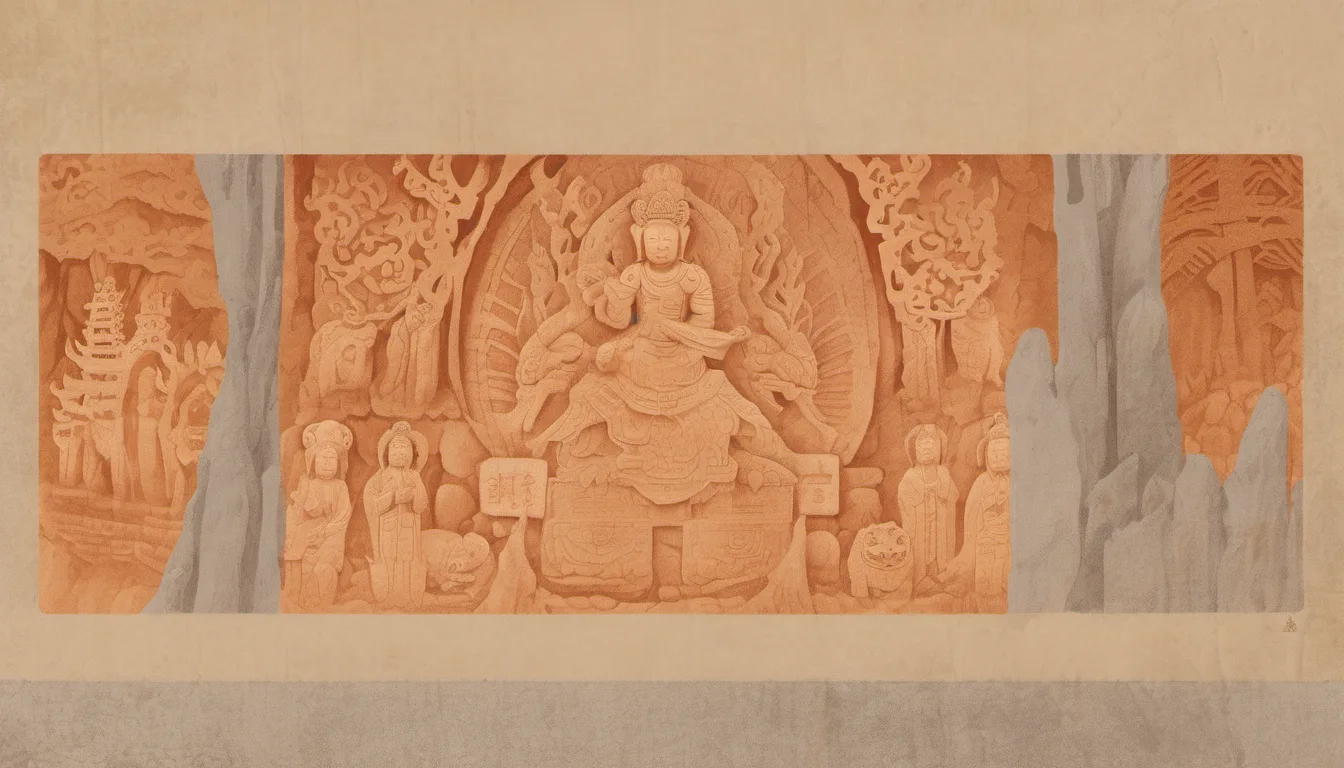
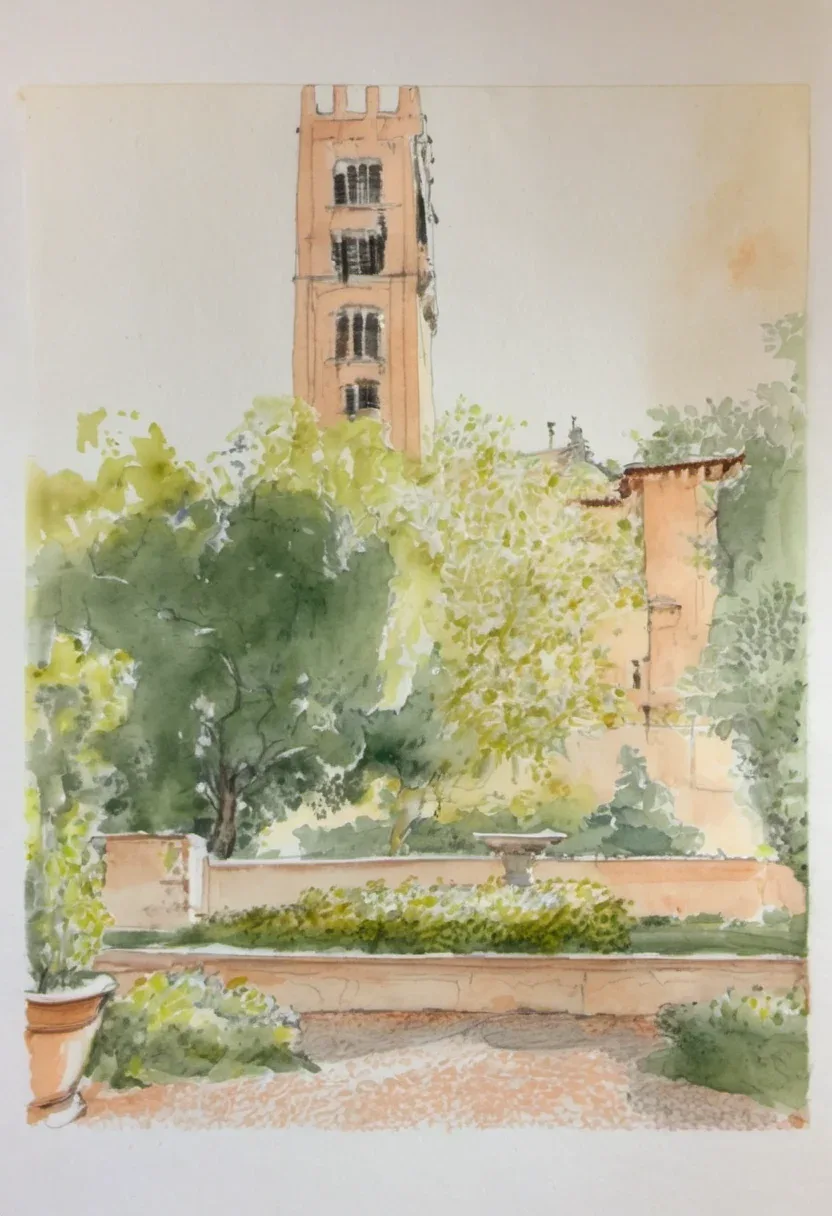
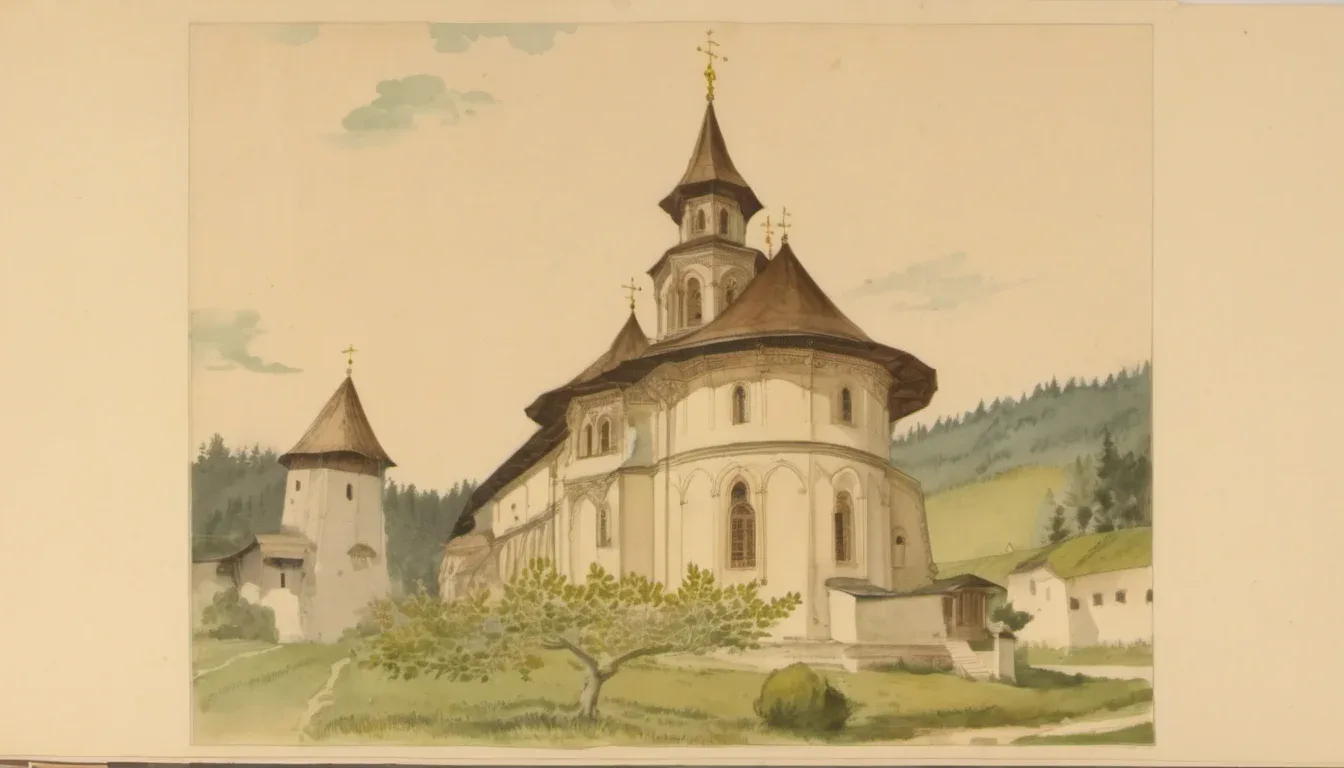
You stand before a structure that refuses to shout. Slatina Monastery does not compete with the vivid frescoes of Voroneț or Moldovița. It competes with silence. Look at the thick, unadorned walls. They are built to withstand time, not just weather. This is a fortress of faith, rooted in the limestone of the Carpathian foothills.
The region of Suceava is defined by its layers. Historically, it was a borderland, a place where empires brushed against each other. The monastery rises from this tension. It is part of the Metropolia of Moldavia and Bukovina, a jurisdiction that has survived the fall of principalities, the rise of communism, and the shifting borders of the 20th century.
Consider the material. Stone. It is heavy, permanent, and unforgiving. In a landscape dominated by the Rodna and Rarău mountains, the monastery mirrors the geology. It is an extension of the earth. The lack of external decoration is not a lack of art, but a statement of priority. The interior holds the liturgy; the exterior holds the line.
There is a legend that the stones were carried by monks who fasted for each block placed. It is a story of ascetic labor. Whether true or not, it explains the precision of the masonry. Every joint is tight. Every angle is sharp. The building feels less constructed and more excavated from the mountain itself.
You are in a county that was once ethnically diverse, a mosaic of Germans, Jews, and Ukrainians. Now, it is predominantly Romanian and Orthodox. Slatina remains a constant in this shifting demographic. It is a anchor. As you walk the perimeter, notice how the building turns its back on the modern world, facing inward toward the cross.
You are standing in the shadow of the Carpathians. Suceava County is a land of contrasts. To the west, the high peaks of the Rodna and Rarău mountains pierce the sky. To the east, the land slopes down to the Siret River valley. Slatina Monastery sits in this transitional zone. It is not in the high alpine silence, nor in the flat commercial sprawl of the county seat. It is in the foothills, where the earth is firm and the air is still.
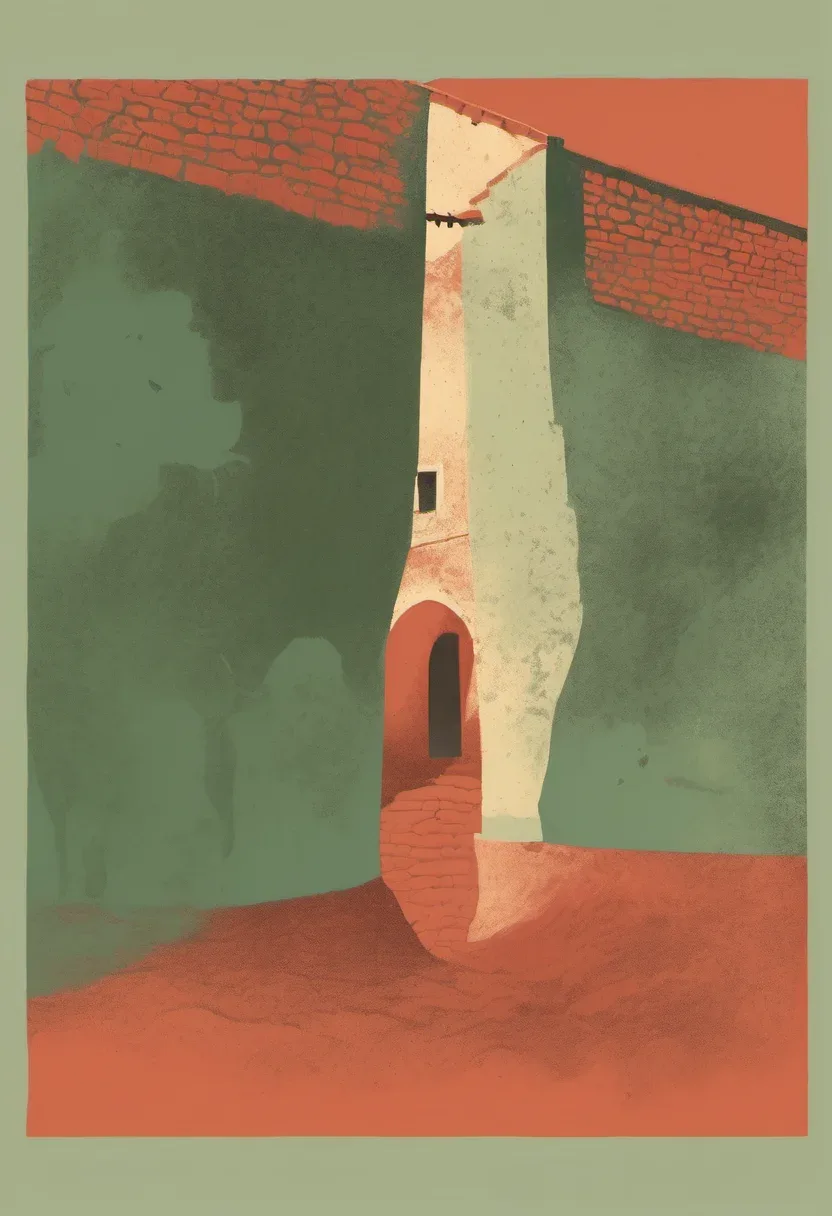
Look at the walls. They are thick, built of local stone. There are no bright blues or reds here. No intricate frescoes of saints on the exterior. This is a deliberate choice. In the 15th and 16th centuries, the rulers of Moldavia built monasteries as statements of power and piety. Some chose color, like Voroneț with its famous blue. Others chose mass. Slatina chose mass. It is a fortress. The windows are small. The doors are heavy. It was built to keep things out, and to keep things in.
The context of this building is the Principality of Moldavia. This was a state that existed between the Ottoman Empire and the Polish-Lithuanian Commonwealth. It was a buffer zone. Monasteries were not just places of prayer; they were political entities. They held land. They collected taxes. They housed refugees. Slatina was part of this network. It was a node in the spiritual and economic infrastructure of the region. The stone walls protected the community from raids, from taxes, and from the chaos of war.
Consider the patron. While the specific founder of Slatina is less celebrated than Stephen the Great, the spirit of the era is the same. The 15th century was a time of intense religious expression. The Orthodox Church was the identity of the Romanians. To build a monastery was to affirm one’s place in the world. The architecture is Byzantine in origin, but adapted to the local conditions. The dome is lower. The walls are thicker. It is a hybrid style, born of necessity and faith.
The region has changed dramatically since the monastery was built. In the early 20th century, Suceava County was a mosaic of cultures. Germans, Jews, Ukrainians, Poles, and Hungarians lived alongside Romanians. The Austro-Hungarian Empire left its mark on the infrastructure, including the Mocăniță narrow-gauge train. But the monastery remained a constant. It was a place where the liturgy was said in Romanian, the only Romance language used in Orthodox worship. This linguistic uniqueness is a thread that ties the modern faithful to the medieval builders.
The 20th century brought new challenges. The Holocaust devastated the Jewish community of Suceava. Thousands were deported to Transnistria. The communist regime that followed sought to control the Church. Monasteries were turned into workshops. Monks were forced into labor. Slatina was not immune to this pressure. The community was suppressed. The liturgy was monitored. But the stone remained. The building outlasted the ideology. It is a testament to the durability of faith in the face of state power.
Today, the county is ethnically homogeneous. The diversity of the past is a memory. But the monastery remains a place of refuge. It is a quiet spot in a region that is increasingly connected to the global economy. Suceava has modern supermarkets and commercial spaces. It is a tourist destination. But Slatina offers a different kind of experience. It is a place to step out of time. The silence here is not empty; it is full of history.
There is a local tradition that the monks of Slatina were known for their asceticism. They lived simply. They worked hard. They prayed constantly. This spirit is embedded in the building. The lack of ornamentation is not a sign of poverty, but of discipline. The energy that might have been spent on decoration was spent on prayer. This is a monastery of action, not just contemplation. The stone bears witness to this labor.
An unsolved mystery lingers around the site. Some locals speak of hidden chambers beneath the church. Rooms where relics were hidden during times of persecution. There is no official record of these chambers. But the layout of the building is complex. There are spaces that seem unnecessary. Perhaps they served a purpose. Perhaps they were sealed off. The mystery adds a layer of intrigue to the visit. It invites you to look closer, to question what is visible.
As you leave, take a moment to look back. The monastery stands against the sky. It is a simple shape. A rectangle with a dome. But it carries the weight of centuries. It has seen empires rise and fall. It has seen languages change. It has seen borders shift. But it remains. It is a fixed point in a changing world. For the visitor, it offers a rare commodity: perspective. In a world of noise, it offers silence. In a world of flux, it offers stability.