Biblioteca Malatestiana
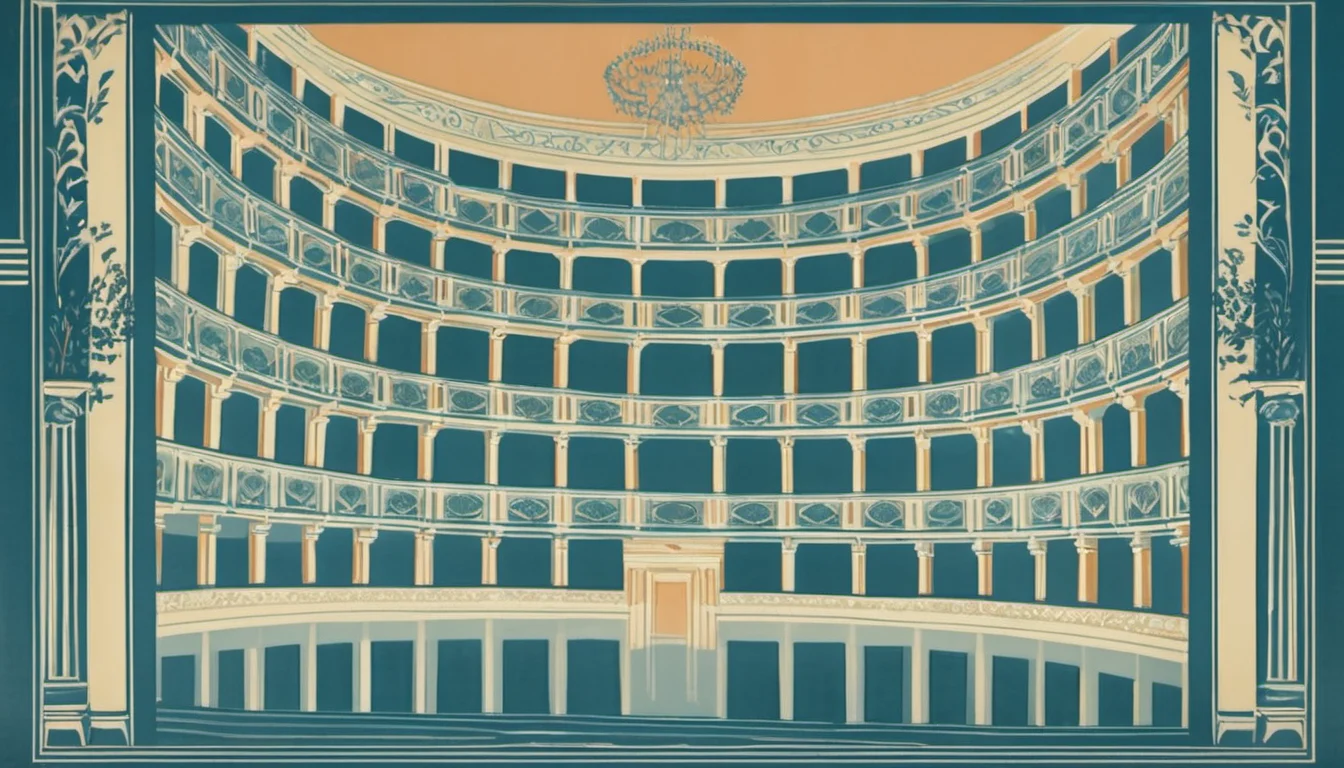
Walk into the Aula del Nuti in Cesena and the first thing you notice is the chains. Rows of wooden desks, called plutei, still hold their manuscripts fastened by iron links, exactly as they were arranged in the fifteenth century. Nothing here is roped off or replicated. The books are original, the desks are original, and the arrangement has barely moved in over five hundred years. This is the Biblioteca Malatestiana, and it does not perform history so much as continue it.
It began as an unlikely partnership. In the mid-1400s, Domenico Malatesta — known to Cesena as Malatesta Novello, lord of the city — joined forces with the Franciscan friars of the local convent, who gave the growing book collection a home inside their own buildings. What made the project radical was not the books themselves but who could read them. Rather than remain a private monastic hoard, the library was handed to the city's own communal institutions to run. That single decision made it, by most accounts, the first public library in Europe.
The gesture makes more sense once you know what Cesena had just survived. Its rule under the Forlivese Ordelaffi family had already been crushed once, in 1357, by Papal troops under Cardinal Gil de Albornoz. Then, in 1377, the city rose again during the War of the Eight Saints and paid for it badly: mercenaries under Cardinal Robert of Geneva killed somewhere between 2,500 and 5,000 civilians in what became known as the Cesena Bloodbath. Only after Galeotto I Malatesta took over the battered comune in 1378 did Cesena begin to recover. Under his family's rule, the city rebuilt its castle, the Rocca Malatestiana, and — as a quieter, more civic monument — its library.
The library nearly didn't make it to the present. French troops occupied Cesena at the close of the eighteenth century and converted the building into a barracks between 1797 and 1798, a use entirely at odds with its founding purpose. It was Cesena's own citizens who pushed to get the convent complex back, and within a few years the library was returned to something closer to its original function.
Today the Biblioteca Malatestiana holds UNESCO Memory of the World status, one of a small number of libraries anywhere to be recognised as documentary heritage in its own right. Stand in the Aula del Nuti and the reason is obvious: this is not a museum reconstruction of a Renaissance library, it is one, still doing more or less what it was built to do. It is a rare thing: a library that has been a library, in the same room, for the better part of six centuries.
Walk into the Aula del Nuti in Cesena and the first thing you register is the chains. Rows of wooden desks, called plutei, run the length of the hall in three parallel aisles, each one still holding the manuscript fastened to it by an iron link. Nothing has been roped off, reproduced, or moved to glass. The books are original. The desks are original. The arrangement has barely shifted since the fifteenth century, and it makes the room feel less like a heritage site than a library that has simply kept working, uninterrupted, for five hundred and more years.
To understand why such a library exists here at all, it helps to know what kind of town Cesena was before it. Originally an Umbrian or Etruscan settlement, it passed to Rome by the third century BC as Caesena, a garrison town important enough to be flattened in the civil war between Gaius Marius and Sulla, and prosperous enough that Pliny singled out its wine as among the best of its day. None of that survives to be seen. What survives is the pattern it set: a small, strategically placed city that outsiders kept wanting to control.
That pattern held for centuries. Sitting on the border between the Byzantine Exarchate of Ravenna and the Lombards, Cesena was handed to the Papacy by its Frankish conqueror in 754, then passed back and forth between popes and the archbishops of Ravenna. It managed a brief spell as a self-governing communal republic between 1183 and 1198, then went back to being fought over — this time between popes and Holy Roman Emperors, a tug-of-war that would define the city for the next century and a half.
The worst of it came in the fourteenth century. Cesena fell briefly under the Forlivese Ordelaffi family, whose rule was crushed in 1357 by Papal troops under Cardinal Gil de Albornoz, after a long siege endured by Cia degli Ordelaffi, wife of the Lord of Forlì. Twenty years later the town rose again, during the War of the Eight Saints, and this time paid for it in full: Breton mercenaries under John Hawkwood, acting on the orders of Cardinal Robert of Geneva, killed somewhere between 2,500 and 5,000 civilians in what came to be called the Cesena Bloodbath — an atrocity even by the standards of the day, and one that earned Robert the nickname 'the butcher of Cesena.'
What remained of the city was handed the following year, 1378, to Galeotto I Malatesta, and under his family Cesena finally got a period of stability. Between 1379 and 1465 the Malatesta rebuilt the town's castle, the Rocca Malatestiana, and set about restoring the city more broadly. It was Galeotto's descendant Domenico Malatesta — known to history as Malatesta Novello, lord of Cesena — who, in the mid-fifteenth century, took on the project that would outlast every fortress his family built: a library.
Novello didn't build it alone. He partnered with the Franciscan friars of Cesena's local convent, who agreed to house the growing book collection inside their own buildings — a monastic setting for what was, deliberately, not a monastic institution. Rather than keep the collection as a private or ecclesiastical hoard, Novello had it placed under the care of the city's own communal bodies, open to the public rather than a closed order. It is this single decision — civic custody over monastic ownership — that historians point to when they call the Biblioteca Malatestiana the first public library in Europe, and it is why the manuscripts still filling the Aula del Nuti's plutei feel less like relics than an idea that happened to survive its era.
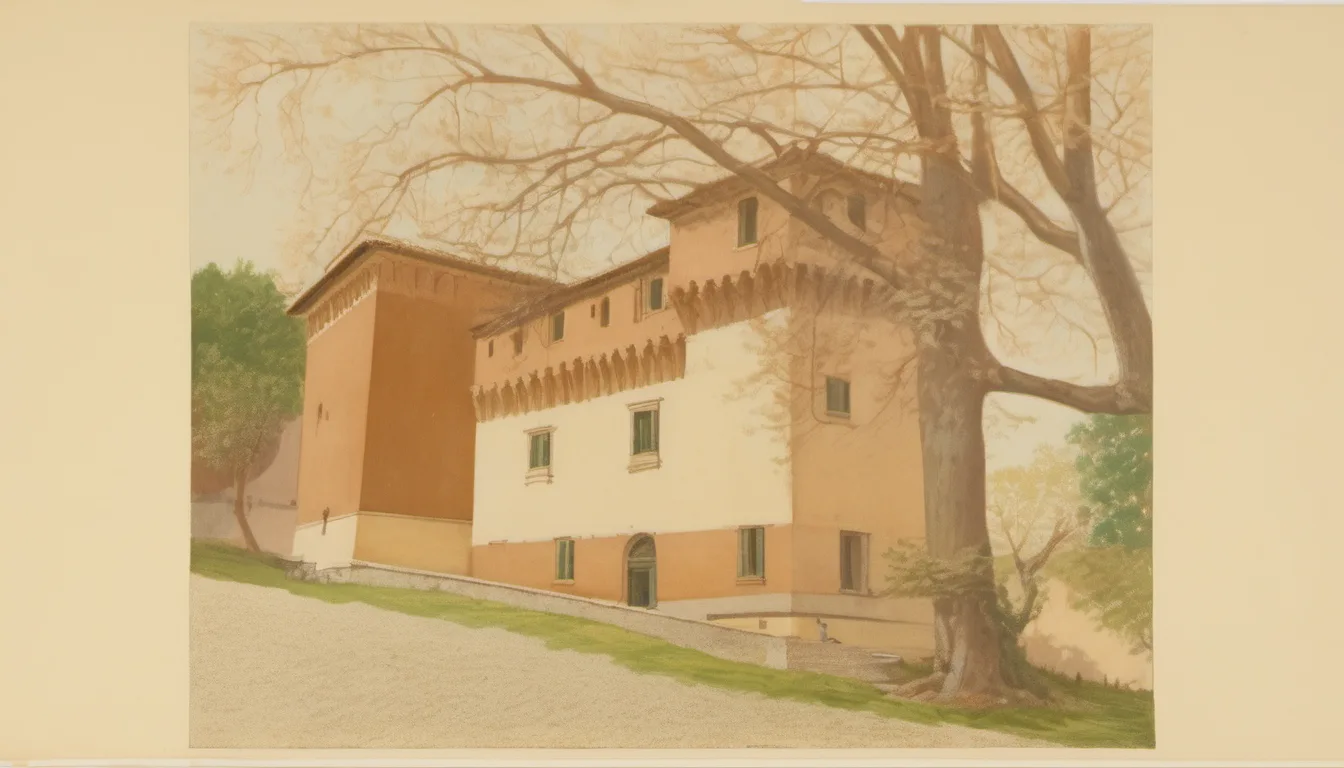
The library's near neighbour tells a rougher version of the same family story. The Rocca Malatestiana was begun by Cardinal Albornoz in 1380, on the site of an earlier fortress that had once hosted Frederick Barbarossa and Frederick II, and was finished a century later, in 1480, by the Papal governor Lorenzo Zane. It's an octagonal structure with two towers of unequal size — the taller called the maschio, or 'male,' the shorter the foemina, or 'female' — and it later served a darker purpose: when Cesare Borgia seized the city in 1500, he used the fortress to imprison Caterina Sforza, the formidable Lady of Forlì and Imola.
Borgia's rule made Cesena, briefly, the capital of a powerful and short-lived duchy, before the city settled back into being a secondary town of the Papal States. Two centuries later it produced two popes outright — Pius VI and Pius VII, both born in the city — and supplied a third, Pius VIII, as its bishop, earning Cesena the nickname 'city of the three popes.' It's a title with nothing to do with the library directly, but it says something about how much history this modestly sized city has absorbed.
That history nearly caught up with the library at the end of the eighteenth century, when French troops occupying Cesena during the Napoleonic Wars converted the building into a barracks, from 1797 to 1798 — a use about as far from its founding purpose as possible, and part of a wider stripping of the city's monasteries and churches under French occupation. It was the citizens of Cesena who pushed to reclaim the convent complex, and within a few years the library was returned to something closer to its original life.
None of that shows in the room today. The Biblioteca Malatestiana now holds UNESCO Memory of the World status, recognised as documentary heritage in its own right rather than simply an old building with old books in it. Stand at the head of the Aula del Nuti and look down the line of plutei, chains and all, and the distinction makes sense: this was never meant to be a museum piece. It was built to be used, and — improbably, after everything Cesena went through to keep it — it still is.