Domus dei Tappeti di Pietra
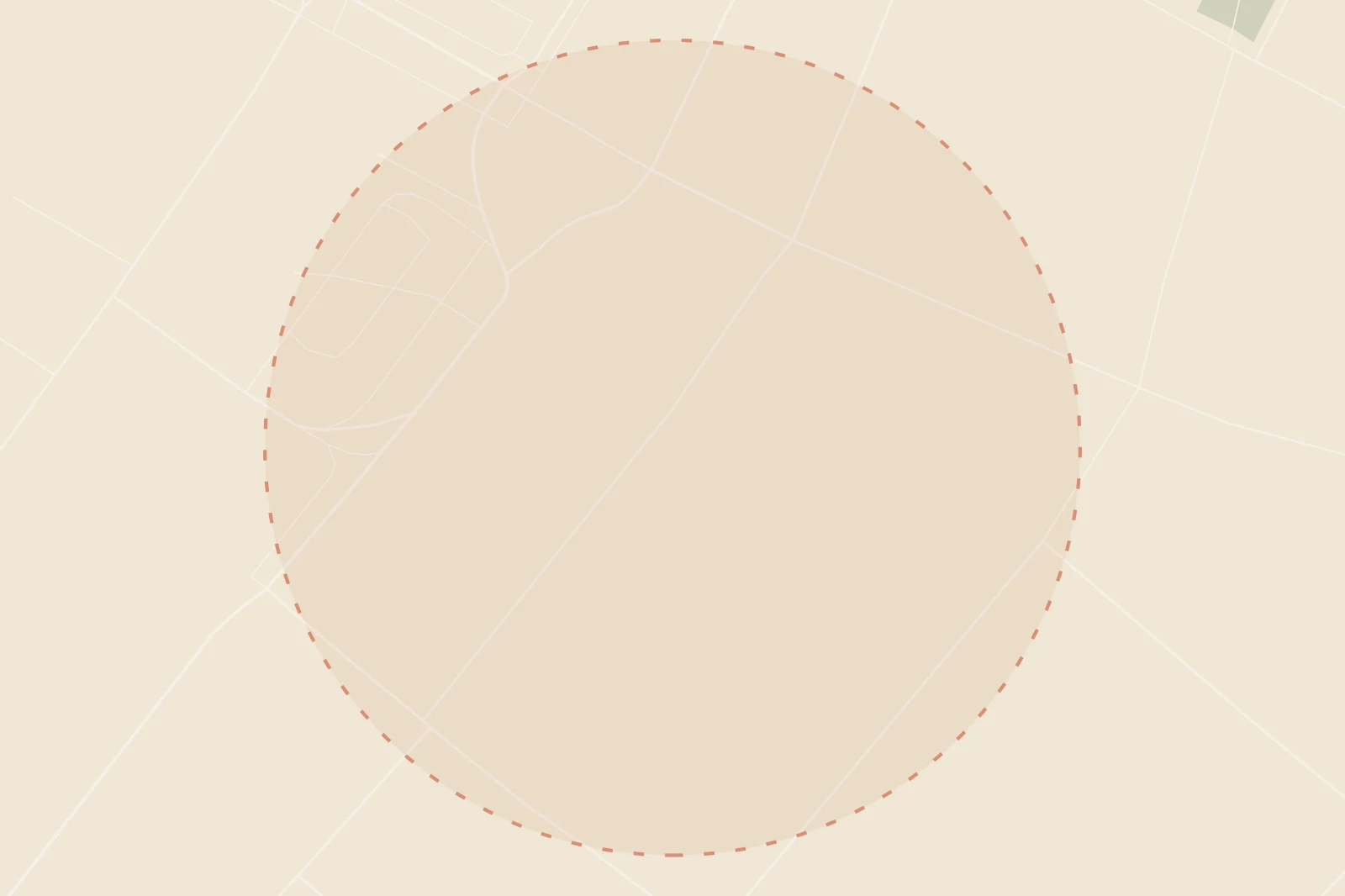
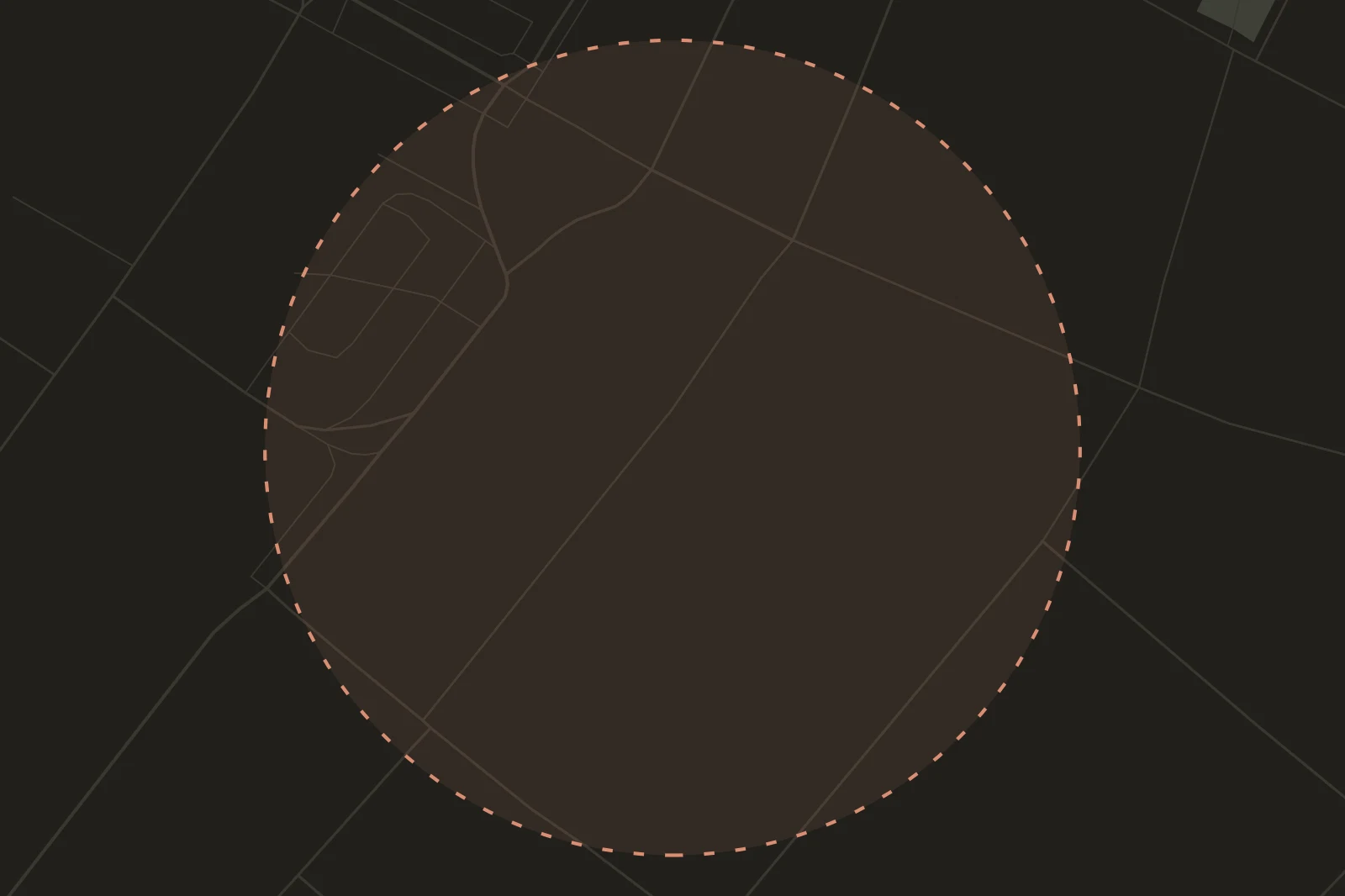
Ravenna keeps its best surprises underground. In 1993, a construction crew broke ground on a modest project: underground garages at via D'Azeglio 47, meant to solve the ordinary urban problem of where to park a car. Three meters down, the diggers hit stone that had no business being there — a floor, then a room, then an entire palace, its every surface worked in mosaic and inlaid marble. It had waited there since the Byzantine period, and it had waited well. Nobody had gone looking for it; it simply turned up, the way the best discoveries in old cities tend to.
You reach it now through Sant'Eufemia, a church that no longer holds services. Giovan Francesco Buonamici built it between 1742 and 1747, raising its central plan over the foundations of an older palaeo-Christian temple in a way that echoes Ravenna's ancient churches elsewhere in town. Three altars still stand inside, quiet witnesses to a building that has changed jobs. Today Sant'Eufemia functions as the entrance hall to what lies beneath it: the Domus dei Tappeti di Pietra, the House of the Stone Carpets.
Descend, and the floor unrolls across 700 square meters, patterned in geometric bands, vine work, and figures. Two mosaics anchor the room. The first is the Dance of the Genies of the Four Seasons, a genuinely rare composition: four personified seasons caught mid-circle, hands joined. Spring wears red and a crown of roses, low on the left. Autumn, dressed in white, dances at the bottom. Winter, cloaked in green, presides from above. Autumn and Winter both reach for Summer, but Summer's own panel is gone, lost to whatever came after the Byzantines left. A fourth figure, a musician playing a reed flute, fills the upper right, keeping time for dancers who have been turning in place for over a thousand years.
Nearby, a Good Shepherd breaks from every convention you'd expect of the subject. He's young, short-haired, dressed in a pale blue tunic with a flash of orange at the collar, sandaled feet planted between two fawns. Two trees, each as tall as he is, rise behind the animals, birds settled in their branches. Time has been less kind here than to the Seasons: half his face survives, along with fragments of the trees and the mosaic's decorative border. What's left is enough to tell you this shepherd was never meant to look like the others.
The site was formally inaugurated on 30 October 2002, with President Carlo Azeglio Ciampi presiding, timed to Ravenna's celebrations marking 1,600 years since it became capital of the Western Roman Empire. Two years later, it collected the Premio Bell'Italia. A parking garage that never got built left the city something better.
Ravenna keeps its best surprises underground. In 1993, a construction crew broke ground on a modest project: underground garages at via D'Azeglio 47, meant to solve the ordinary urban problem of where to park a car. Three meters down, the diggers hit stone that had no business being there — a floor, then a room, then an entire palace, its every surface worked in mosaic and inlaid marble. It had lain sealed since the Byzantine era, undisturbed by the centuries of building that had gone on directly above it. The garages were quietly abandoned. The palace stayed. No one had been looking for a palace. The city simply had one, sealed and forgotten, sitting under an ordinary street the whole time.
What you see first, though, isn't Byzantine at all. The site's entrance is Sant'Eufemia, a church on Via Barbiani that Giovan Francesco Buonamici designed and built between 1742 and 1747 — a full building project in its own right, and a much later one than anything found beneath it. Buonamici raised the church on a central plan, a choice that consciously recalls some of Ravenna's older churches elsewhere in the city, and he set it atop the foundations of a still-earlier palaeo-Christian temple. Sant'Eufemia has since been deconsecrated. Its three altars remain, standing in a building that no longer holds services, repurposed instead as the threshold to everything underneath it.
That threshold leads down, through layers the church's builders never knew about, to the Domus dei Tappeti di Pietra — the House of the Stone Carpets. The name undersells it, if anything. Across roughly 700 square meters, the floor of a Byzantine-period palace unrolls in mosaic: geometric bands interlocking with vegetal scrollwork, and, at the heart of the room, figurative scenes worked with a precision that has outlasted the empire that commissioned them. Two of these figurative panels have made the site's reputation, and both reward the kind of close, unhurried looking that a hypogeum, cut off from the traffic of the modern street above, makes easy.
The first is the Dance of the Genies of the Four Seasons, and it's a genuine rarity — dancing genii arranged in a circle are almost never found in mosaic work of this kind. Four human figures, personifying the seasons, move together with their hands joined, caught mid-turn in a ring that the room's low light seems to keep gently spinning. It is playful where you might expect solemnity, and precise where you might expect abstraction: each season is dressed, crowned, or cloaked according to its own logic.
Spring stands to the left, dressed in red, a crown of roses marking her out. Autumn, in white, dances at the bottom of the scene. Winter, wrapped in a green cloak, presides from the top. The three link hands in sequence, and Autumn and Winter both reach toward where Summer should complete the circle. She doesn't. The mosaics that once depicted her are gone, lost at some point in the centuries between the palace's abandonment and its rediscovery — a gap in the composition that nobody has been able to fill. Look for the joined hands first; the mosaic is built around that chain of contact between figures, three linked dancers whose missing fourth is felt more than seen.
A fourth human figure does survive, though he isn't one of the seasons. Set in the upper right, he's a musician, playing a flute made of reed, and iconographically he reads as the piece's timekeeper — the one providing the rhythm the seasons dance to, off to the side of their circle rather than inside it.
The room's second major mosaic, the Good Shepherd, sits nearby, and it breaks from convention as firmly as the Seasons do. This is not the bearded, robed shepherd of standard Christian iconography. He's young, his hair cut short, dressed in a pale blue tunic with a band of orange cloth showing at the neck, sandals on his feet. His left arm holds a staff. On either side of him stand two fawns, and behind the fawns rise two trees, each as tall as the shepherd himself, a bird settled in the branches of each.
Time has treated this panel less gently than it treated the Seasons. Only half the shepherd's face survives. The mosaics along the panel's border are gone, along with most of the tree on the left and part of the branch on the right. The lost border would once have framed the whole scene; its absence now leaves this Good Shepherd looking more exposed than the dancers in the room beside him. What's left is still enough to see that whoever commissioned him wanted a figure distinct from the type that would later become standard: young and undecorated rather than authoritative, closer to a herdsman than an icon.
The site was formally inaugurated on 30 October 2002, with President Carlo Azeglio Ciampi presiding, on the occasion of Ravenna's celebrations marking 1,600 years since the city became capital of the Western Roman Empire. Two years later, in 2004, the Domus won the Premio Bell'Italia. None of it would exist, at least not as something the public could see, if a routine parking project hadn't gone three meters deeper than anyone expected, into a palace that had simply been waiting, mosaic floors intact, for well over a thousand years. The overnight literalness of that timeline is what still makes the Domus feel less like a museum and more like an interruption in the city's ordinary business, resumed.